

The Trigger: A Failure High in the Himalayas
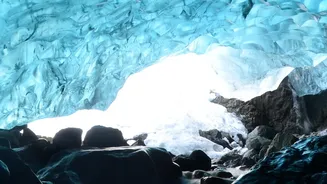
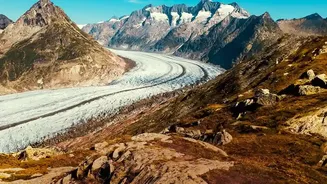
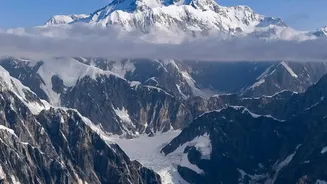
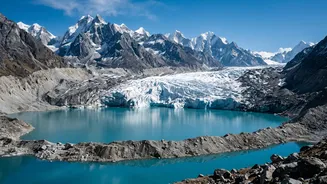
Many of Nepal's most destructive floods start miles above any settlement, in the remote, icy world of glaciers. These events are often not caused by rainfall alone. Instead, the initial trigger can be a glacier collapse or a Glacial Lake Outburst Flood
(GLOF). A GLOF happens when a lake formed by melting glacier water, and dammed by unstable ice or rock debris (a moraine), suddenly bursts. Triggers for such a breach can include ice avalanches crashing into the lake, heavy rainfall, or even earthquakes. On August 26, 2026, a catastrophic flood in Nepal was initiated by a massive glacier collapse, an event so powerful it registered on seismometers. Initially mistaken for an earthquake, analysis later confirmed the seismic waves were generated by the glacier and subsequent debris flow.
From Water to a Wall of Debris
The initial burst of water is only the beginning. As this torrent rushes down steep mountain slopes, it gains incredible power and speed. It erodes and picks up everything in its path: soil, boulders, trees, and loose sediment from the valley floor and walls. This process transforms the flood into something far more dangerous: a debris flow. A debris flow is not like a typical water flood; it's a thick, fast-moving slurry that can have the consistency of wet concrete. This mixture of water and solids is much denser and more destructive than water alone, capable of carrying huge boulders and destroying everything it encounters. In some Himalayan events, the volume of the flow has amplified dramatically as it collected loose sediment from previous landslides.
The Destructive Power of Debris Flow
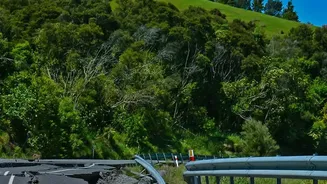
When a debris flow reaches populated areas, the impact is catastrophic. Unlike water, which flows around obstacles, a debris flow acts like a bulldozer, smashing through buildings, burying infrastructure, and completely altering the landscape. The August 2026 event saw a wall of mud and water crash through the Nepal-Tibet border region, burying vehicles and buildings, and destroying critical infrastructure like roads, bridges, and hydropower plants. Survivors often describe a terrifying roar as the flow approaches, leaving little to no time for evacuation. The sheer force and the thick layer of mud and rock it deposits make rescue operations incredibly difficult.
A Growing Threat Fueled by Climate Change
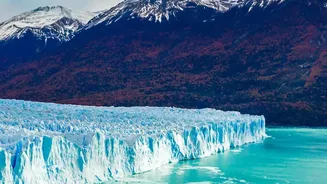
These devastating events are becoming more common across the Himalayas. The region, often called the 'Third Pole' for its vast ice reserves, is warming faster than the global average. This accelerated warming is causing glaciers to melt and retreat at an alarming rate, leading to the formation and expansion of unstable glacial lakes. Studies have documented hundreds of GLOF events across the Himalaya-Karakoram region, with both the number and size of glacial lakes steadily increasing. This creates a higher risk of dam failures. The combination of warming temperatures, more intense rainfall during monsoons, and geologically unstable slopes creates a perfect storm for these cascading disasters.
A Wake-Up Call for the Entire Region
The threat of glacial floods is not confined to Nepal's borders. Major rivers that originate in the Himalayas flow downstream into India, meaning a disaster that starts in one country can have severe consequences for its neighbors. The increasing frequency of these events is a major concern for the nearly two billion people who rely on the Himalayan glaciers for fresh water. Events like the 2021 Chamoli disaster in Uttarakhand, which was also triggered by a rock and ice avalanche, serve as a stark reminder of the shared vulnerability. Experts stress the urgent need for better cross-border cooperation, improved glacier monitoring, and robust early-warning systems to protect the millions of people living in these high-risk river valleys.