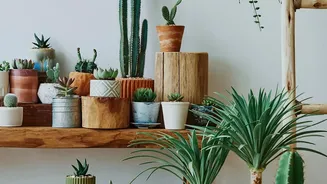







As winter approaches, bringing cooler days and damp nights, India's urban plant parents face a unique challenge: keeping their beloved cacti safe. These desert dwellers thrive on sun and dryness, making winter a surprisingly perilous season.
Why Winter Worries Your Cacti
Cacti and
succulents are masters of survival, storing water in their leaves and stems to endure drought. This very adaptation makes them vulnerable to a combination of cold and moisture. Unlike the dry cold of their native desert habitats, Indian winters, particularly in northern regions, can be damp. When the soil stays wet and temperatures drop, cacti enter a danger zone. Their roots, which are not designed for prolonged moisture, can quickly begin to rot. Furthermore, many cacti enter a period of dormancy during the colder, shorter days of winter. In this resting state, their growth slows, and their need for water plummets. Watering them like it's still summer is a fast track to disaster, as the unabsorbed water sits in the pot, creating a breeding ground for fatal fungal diseases.
Know Your Climate, Know Your Cactus
India's winter is not uniform, and your cactus care strategy should reflect that. A plant parent in Mumbai, where winters are mild, faces different challenges than one in Delhi, where temperatures can dip significantly and winter rain is common. For those in warmer, frost-free climates, cacti may be fine outdoors if they are protected from rain. However, in cooler climates, temperatures consistently below 10°C can cause damage. Before making a move, identify your cactus species. Some, like certain types of prickly pear, are more cold-hardy, while others, like many Echeveria and Senecio varieties, need to be brought indoors as soon as the weather cools. A quick search for your plant’s specific needs can save you a lot of guesswork.
The Great Indoors: A Step-by-Step Guide
For many, bringing cacti indoors is the safest bet. But don't just carry them in; a proper transition is key. Start by inspecting your plants thoroughly for pests like mealybugs or spider mites that may have taken up residence outdoors. Clean the pots and remove any dead leaves or debris. Once inside, placement is everything. A south-facing window is often the best spot, as it provides the brightest light during shorter winter days. If you lack a sunny window, even a few hours under a grow light can help. The most critical change is your watering routine. During winter dormancy, your cacti need very little water. Allow the soil to go completely bone dry between waterings. For many, this might mean watering just once every four to six weeks. When in doubt, it is always better to underwater a cactus in winter than to overwater it.
Balcony Solutions: Shielding Strategies
If you lack indoor space, you can still protect your outdoor cacti. The main goal is to keep them dry. The easiest method is to move the pots under a covered patio, balcony, or overhang to shield them from rain. If that's not an option, you can create temporary shelters. A simple 'plant umbrella' or a clear plastic sheet draped over stakes can work wonders, as long as you ensure there is still good air circulation to prevent moisture buildup. Using breathable materials like burlap can also offer protection from wind and light frost while allowing the plant to breathe. Regardless of the cover, ensure your pots have excellent drainage. Amending your soil with sand or perlite can help water pass through quickly, and elevating pots off the ground can prevent them from sitting in puddles.
Recognising the Red Flags of Rot
Prevention is crucial because root rot is often irreversible by the time it becomes obvious. Be vigilant for early warning signs. A cactus that feels soft, mushy, or unstable at its base is in trouble. Discolouration, such as yellowing or browning that starts from the bottom up, is another major red flag. In advanced cases, the plant might look deflated, drop segments, or even emit a foul, rotting smell from the soil. If you suspect rot, you must act fast. Gently remove the plant from its pot and inspect the roots. Healthy roots are firm and white or tan; rotted roots will be dark, mushy, and may fall apart when touched. If some healthy roots remain, you can try to save the plant by trimming away all the rotted parts with a clean knife, letting it dry for a few days, and repotting in fresh、dry cactus soil.