




The Never-Ending Pothole Problem
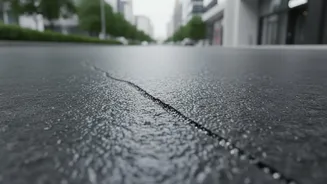
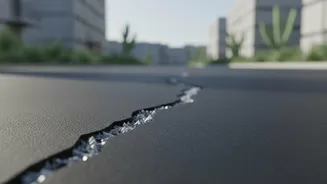
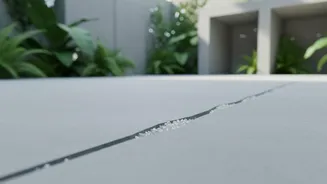
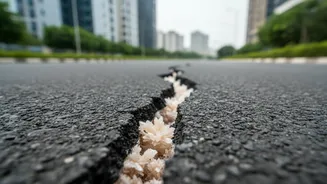
Every year, as the rains arrive, our streets and highways begin to crumble. Water seeps into tiny cracks in the asphalt and concrete, weakening the structure from within. The constant pressure from traffic does the rest, creating the jarring craters that
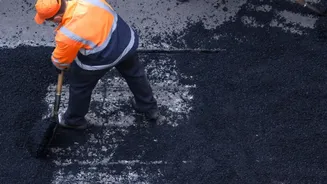
damage vehicles, slow down traffic, and cause accidents. The current solution is a costly and often temporary cycle of repair and repeat. Maintenance crews patch up holes, but these fixes are often the first to give way in the next downpour. A rough estimate suggests that nearly half of the total budget for construction is later spent on repairs and maintenance, highlighting the need for a more durable solution.
Introducing 'Living' Concrete
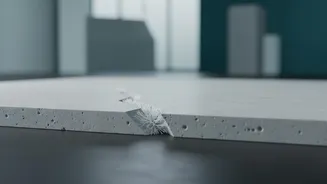
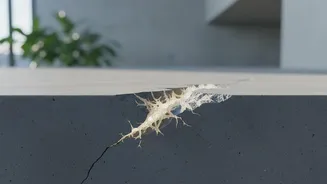
Imagine a road that can sense damage and repair itself automatically. This isn't science fiction; it's the science of bio-concrete. Researchers have developed a method to embed specific types of bacteria into the concrete mix. These are not just any bacteria; they are hardy microorganisms, often from the Bacillus genus, that can lie dormant for decades, even centuries, within the concrete. They are encased in tiny, biodegradable capsules along with their food source, typically calcium lactate. When everything is stable, they do nothing. But the moment a crack forms, their work begins.
How Bacteria Become Micro-Masons
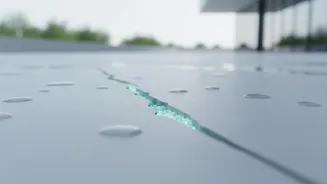
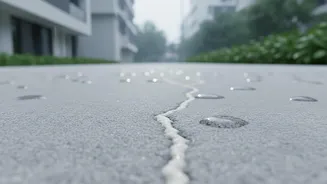
The self-healing process is elegantly simple and triggered by the very thing that causes the damage: water. When a crack forms, rainwater seeps in and dissolves the protective capsules. This awakens the dormant bacteria. Now active, they begin to consume their food source, the calcium lactate. Through their metabolic process, they combine the calcium with carbonate ions harvested from their environment to produce calcite, a form of limestone. This limestone is essentially 'nature's cement'. It steadily fills the crack, sealing it from further water ingress and restoring the concrete's integrity. The process stops once the crack is filled and the water is gone, and any remaining bacteria go back to sleep, ready for the next time they are needed.
The Advantages Over Patchwork
The benefits of self-healing concrete go far beyond just a smoother ride. By automatically repairing micro-cracks before they become large potholes, this technology could dramatically extend the lifespan of our roads, potentially doubling it. This leads to significant long-term cost savings, as the need for frequent, labour-intensive repairs diminishes. There's also a considerable environmental advantage. Concrete production is a major source of CO2 emissions. By making concrete structures last longer and reducing the need for new material for repairs, bio-concrete helps lower the construction industry's carbon footprint.
Is This the Future for Indian Roads?
While the technology is incredibly promising, bringing bio-concrete to India's vast road network has its challenges. The primary hurdle is cost. Currently, producing bio-concrete can be more expensive than conventional concrete, although this could be offset by massive savings in maintenance down the line. Researchers are also working to ensure the bacteria can survive the specific stresses of Indian climatic conditions, from scorching summers to intense monsoons. Widespread adoption will require not just technological refinement but also investment and acceptance from government bodies and the construction industry. However, Indian researchers are actively exploring bio-concrete, viewing its cost-effectiveness and adaptability as a practical solution for the nation's infrastructure woes.