





More Than Just Leftovers
Not long ago, ‘meal prep’ meant dutifully packing up last night’s dal or sabzi for lunch. It was practical, but hardly glamorous. Today, the term evokes something entirely different. Search #mealprep on social media, and you’ll find a vibrant world of
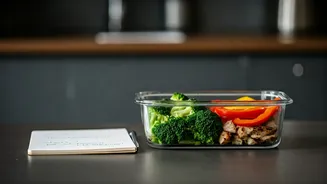
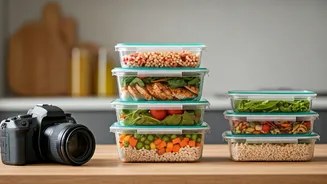
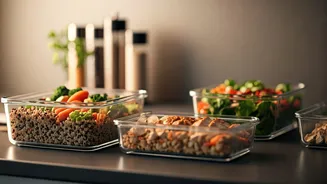
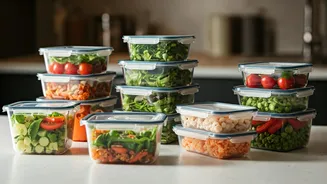
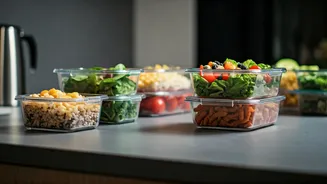
perfectly portioned, visually stunning meals laid out in pristine, matching containers. This isn't just about saving time; it's an aesthetic movement. Driven by platforms like TikTok and Instagram, modern meal prep is a highly curated expression of order, health, and self-care. It involves planning, shopping, chopping, and cooking an entire week's worth of breakfasts, lunches, and dinners in a single, marathon kitchen session. The result is a refrigerator that looks less like a chaotic repository and more like a minimalist art installation.
The Sunday Reset Ritual
The viral popularity of meal prep is deeply intertwined with the broader concept of the “Sunday reset.” This weekly ritual, also a social media darling, involves deep cleaning your home, changing your sheets, planning your week, and, crucially, preparing your food. It’s a way to combat the dreaded “Sunday scaries” — the wave of anxiety that often hits before the work week begins. By dedicating a few hours on a Sunday to organising your culinary life, people feel a profound sense of control and accomplishment. In a world that feels increasingly chaotic and unpredictable, having a fridge full of ready-to-eat, healthy meals provides a tangible anchor. It eliminates the daily mental load of deciding what to eat, freeing up cognitive space for other tasks and reducing decision fatigue.
An Answer to Burnout and Budgets
Beyond the psychological comfort, meal prep culture offers potent, practical solutions to two of modern life’s biggest stressors: time and money. With rising food prices and the high cost of ordering in, cooking at home is more financially prudent than ever. Meal prepping takes this a step further by enabling bulk buying and minimising food waste, leading to significant savings. A week’s worth of prepped lunches can cost a fraction of buying them from a café or restaurant each day. Similarly, for busy professionals and parents juggling multiple responsibilities, meal prep is a defence against burnout. It claws back precious time during the hectic work week. The 15 minutes you might spend figuring out and making lunch can instead be a moment to actually relax and eat, a small but meaningful victory in the daily battle for time.
The Allure of Aesthetic Order
Let’s be honest: a huge part of the trend’s virality is its visual appeal. The most popular meal prep content features mesmerising time-lapses of ingredients being chopped with satisfying precision, colourful salads being assembled, and identical glass containers being filled and stacked in a gleamingly clean fridge. These ‘fridge restock’ videos are a form of digital ASMR (Autonomous Sensory Meridian Response), providing a calming, almost hypnotic viewing experience. The aesthetic is one of clean, organised, and healthy living. It taps into a desire not just to be organised, but to *look* organised. The matching containers, the vibrant colours of fresh vegetables, and the neat labels all contribute to a powerful visual narrative of a life well-managed. It’s domesticity made aspirational, turning a household chore into a shareable work of art.
The Pressure Cooker of Perfection
However, this picture-perfect trend has a less glamorous side. The pressure to create Instagram-worthy meals can be immense, turning a helpful habit into another source of stress. The time commitment is significant; a full prep session can consume the better part of a day, which isn't feasible for everyone. There’s also the risk of culinary boredom. Eating variations of the same pre-cooked components for five days straight can feel monotonous, leading some to abandon the practice altogether. Critics also point out that the trend can promote an unhealthy obsession with control around food and portion sizes, bordering on restrictive eating habits under the guise of ‘wellness’. The curated perfection online often hides the messy reality: the giant pile of dishes, the failed recipes, and the sheer exhaustion after hours in the kitchen.