

The Sun's Stormy Weather
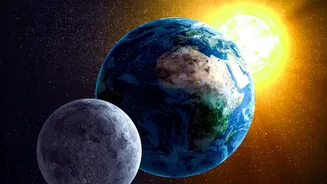
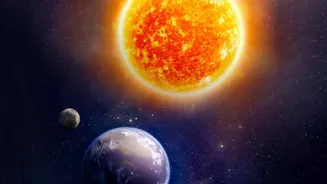
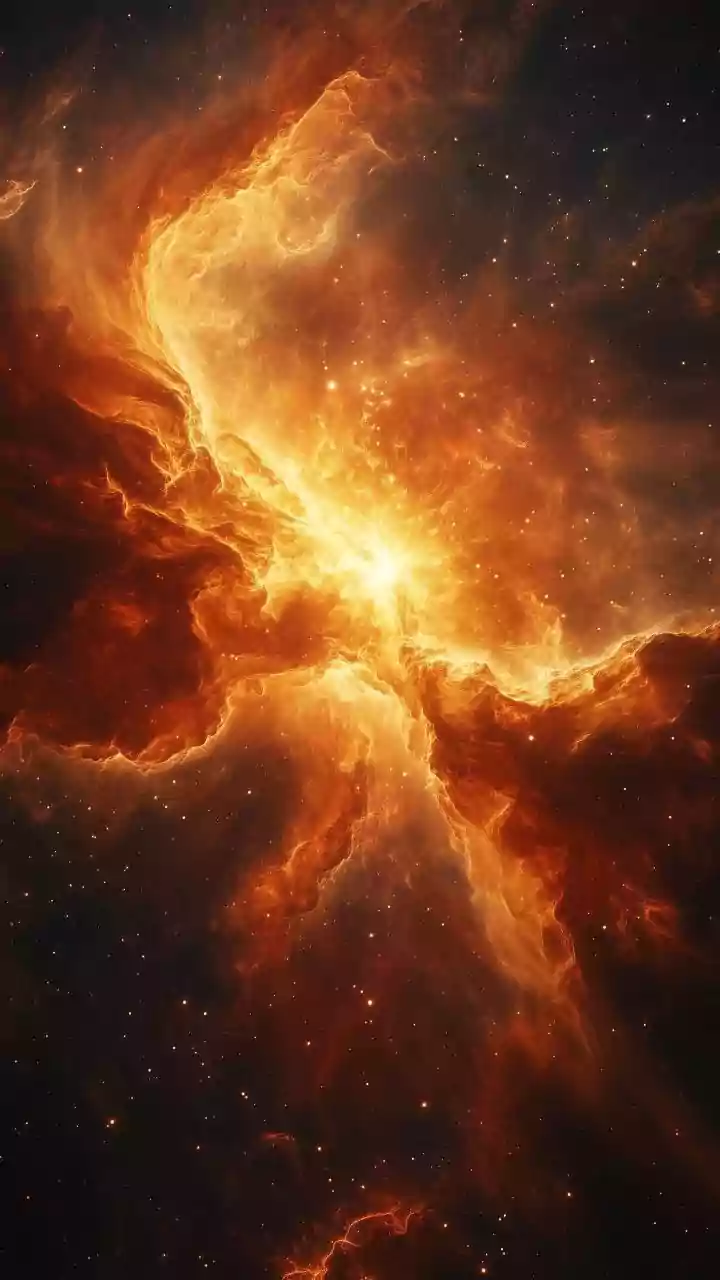
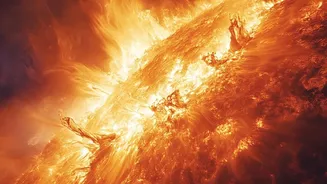
Space weather begins at the sun, our solar system's powerful heart. The sun isn't a calm, steady ball of fire; its surface is a churning mass of hot gas and complex magnetic fields. Sometimes, this magnetic energy builds up and releases in a violent burst.
Two main types of events cause space weather: solar flares and coronal mass ejections (CMEs). A solar flare is an intense flash of radiation, like a giant muzzle flash, that travels at the speed of light and reaches Earth in about eight minutes. A CME is more like the cannonball itself—a huge cloud of magnetised plasma and solar particles that gets blasted into space, taking one to three days to reach our planet.
Earth's Planetary Force Field
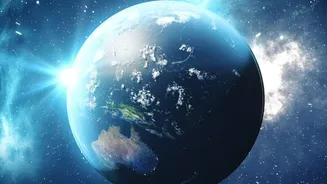
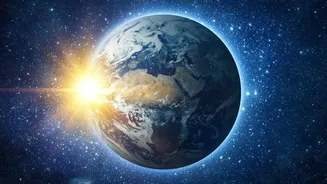
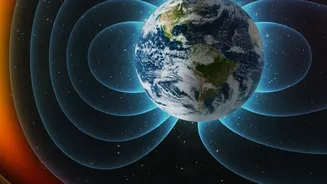
Fortunately, Earth isn't defenceless. Our planet generates its own magnetic field, which extends far into space, creating an invisible shield called the magnetosphere. This magnetic bubble deflects the constant stream of charged particles flowing from the sun, known as the solar wind. Without the magnetosphere, this solar wind would strip away our atmosphere, making life impossible. It acts like a cosmic umbrella, redirecting the worst of the sun's radiation safely around our planet. Most of the time, this shield holds strong, but a powerful CME can buffet and stretch it, allowing some energy and particles to leak through.
The Beautiful and the Disruptive
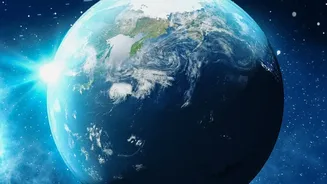
When a solar storm hits, the interaction with our magnetosphere has two main effects. The first is beautiful: the aurora. Charged particles from the sun are funnelled along Earth's magnetic field lines towards the poles. When these particles collide with atoms and molecules in our upper atmosphere, they energise them, causing them to glow. This creates the spectacular light shows known as the Aurora Borealis (Northern Lights) and Aurora Australis (Southern Lights). The second effect is more disruptive. The surge of energy can induce powerful electrical currents in the magnetosphere and even in the ground, leading to what is known as a geomagnetic storm.
Impacts on Our Digital World
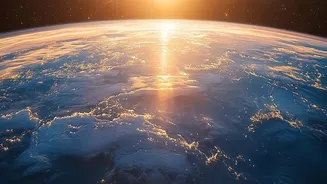
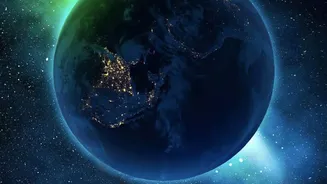
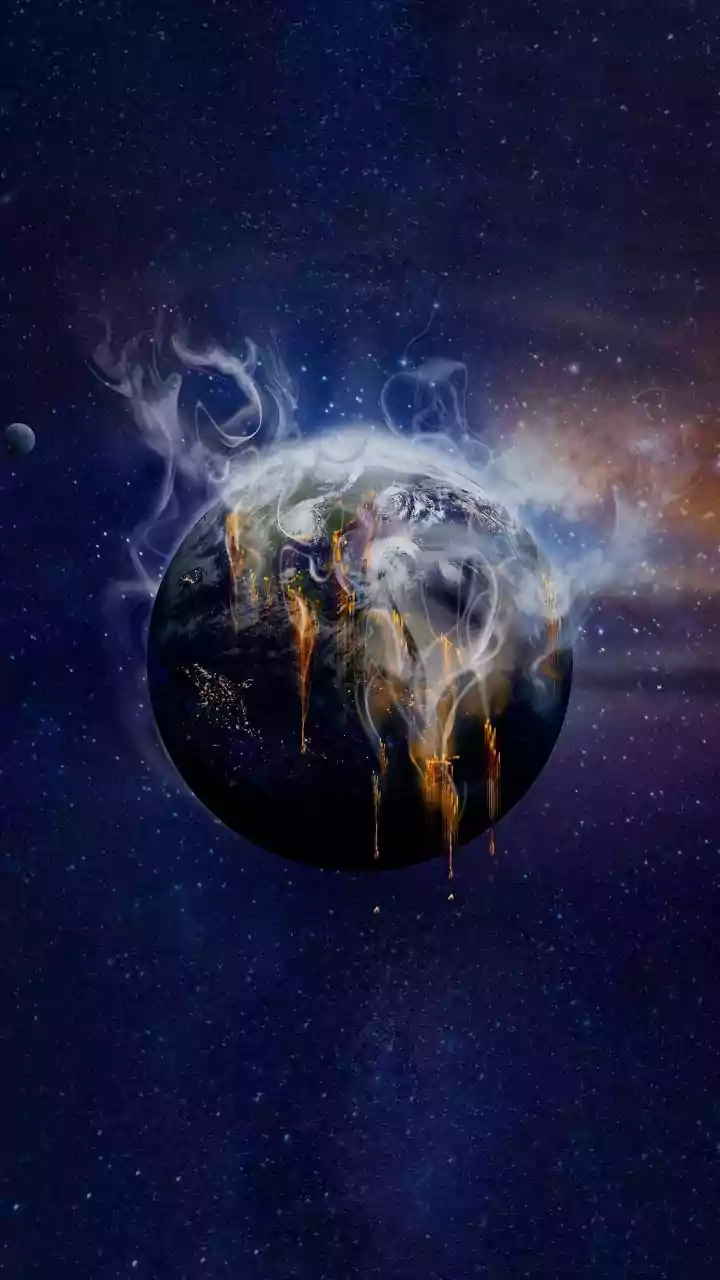
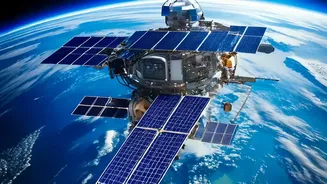
Geomagnetic storms pose little direct risk to humans on the ground, but our technology is a different story. The induced currents can flow through long conductors, like power lines, potentially overloading transformers and causing widespread blackouts. Satellites are particularly vulnerable. The increased radiation can damage sensitive electronics, and the swelling of Earth's upper atmosphere can create extra drag, causing satellites in low-Earth orbit to slow down and lose altitude. This can disrupt everything from GPS navigation and telecommunications to financial transactions and weather forecasting. Solar flares can also cause radio blackouts by disturbing the ionosphere, the layer of the atmosphere that radio signals bounce off.
Is There Danger to Humans?
For those of us on Earth's surface, the answer is a reassuring no. Our planet's atmosphere and magnetic field provide excellent protection from solar radiation. You are in no danger of being harmed by a solar storm while going about your daily life. The primary risk is to the technological systems we rely on. However, some people are more exposed. Astronauts in space are outside this protective bubble and face a significant radiation risk during major events. Passengers and crew on high-altitude flights over polar regions may also receive a slightly higher radiation dose, which is why flight paths are sometimes altered during strong solar storms.
Watching the Cosmic Weather
Just as we forecast hurricanes and thunderstorms on Earth, scientists are constantly monitoring the sun to predict space weather. Observatories on the ground and satellites in space watch for the tell-tale signs of an impending storm, such as the formation of complex sunspot groups. Agencies like NOAA's Space Weather Prediction Center issue watches, warnings, and alerts when they detect a flare or a CME. This gives power grid operators, satellite companies, and airlines advance notice—from several minutes for a flare to a few days for a CME—to take protective measures. While the science is still developing, these forecasts are crucial for mitigating the potential impacts on our increasingly connected world.