


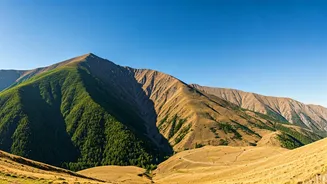


The Rain Shadow Secret
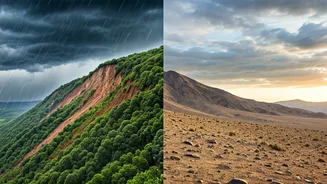
While the southern slopes of the Himalayas get drenched by monsoon winds traveling up from the Indian Ocean, the towering peaks create a formidable barrier. These mountains force the clouds to shed their moisture, leaving the lands to their north, the trans-Himalayan
regions, high and dry. This phenomenon, known as the rain shadow effect, is what makes destinations like Ladakh and Spiti Valley arid cold deserts. While the rest of the country navigates rains and humidity, these areas enjoy a short, brilliant summer characterized by clear blue skies, strong sunshine, and perfect conditions for adventure. Choosing these destinations during the monsoon isn't just about avoiding rain; it's about timing your visit for their absolute peak season.
Destination Spotlight: Ladakh
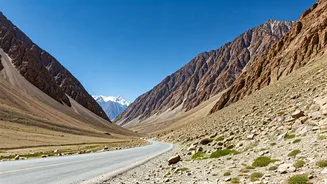
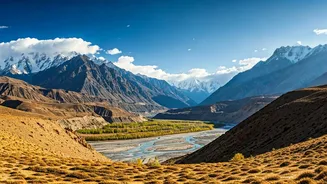
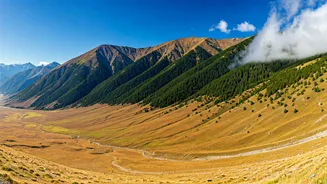
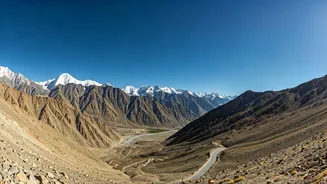
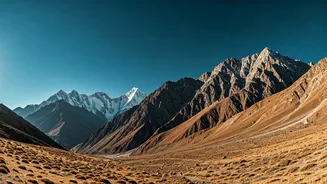
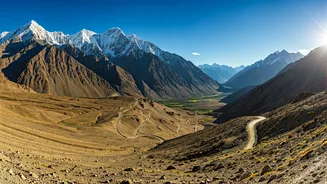
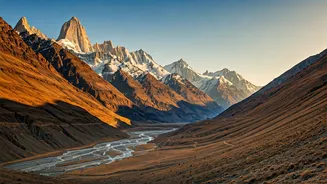
Often called 'Little Tibet', Ladakh is the prime beneficiary of the rain shadow. From June to September, it transforms into a traveller's paradise. The formidable mountain passes, including Khardung La and Chang La, are clear of snow, making the entire region accessible. The famous Manali-Leh and Srinagar-Leh highways become fully operational, opening up some of the world's most epic road trip circuits. The weather is ideal, with daytime temperatures in Leh hovering between a pleasant 20°C and 30°C. It’s the perfect time to witness the impossibly blue waters of Pangong Tso and Tso Moriri, explore ancient monasteries like Hemis and Thiksey, and ride a double-humped Bactrian camel in the Nubra Valley's sand dunes. The landscape is at its most dramatic, a stunning contrast of barren mountains, green valleys, and vibrant blue skies.
Alternative Adventure: Spiti Valley
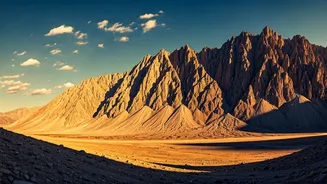
If Ladakh feels too mainstream, the Spiti Valley in Himachal Pradesh offers a rawer, more remote, and equally stunning alternative. Also located in the Himalayan rain shadow, Spiti shares a similar dry, high-altitude desert climate, making it an ideal monsoon-season escape. The window to access Spiti via the scenic Manali-Kaza highway, crossing the high passes of Rohtang and Kunzum La, is typically from June to October. Spiti is a world of stark landscapes, deep canyons, and ancient villages that seem frozen in time. Home to some of the oldest monasteries in the Buddhist world, like Tabo and Key, it offers a deep cultural immersion. In summer, the valley's sparse vegetation bursts into life, with patches of green fields and wildflowers providing a startling contrast against the rocky, brown mountains.
Planning Your Smart Himalayan Trip
Traveling to these high-altitude regions requires smart planning. First and foremost, respect the altitude. Acute Mountain Sickness (AMS) is a real risk. Plan to spend at least one to two full days acclimatizing in Leh (or Kaza) upon arrival before venturing higher. Staying hydrated is crucial. Packing should be strategic; think in layers. You'll need light clothes for the warm, sunny days, but also warm jackets, thermals, and beanies for the cold nights and windy passes. The sun is incredibly harsh at this altitude, so a high-SPF sunscreen, sunglasses, and lip balm are non-negotiable. Since this is peak season, booking flights, accommodations, and transport well in advance is highly recommended to avoid high prices and ensure availability.