





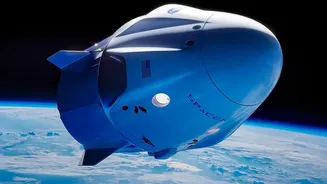
Gaganyaan’s Grand Ambition
The Gaganyaan programme is India’s first human spaceflight mission, aiming to launch a crew of three astronauts into a Low Earth Orbit of 400 kilometres for a three-day mission and bring them safely back to Earth. A successful mission would make India the fourth
country in the world—after the United States, Russia, and China—to have an independent capability for human spaceflight. This monumental undertaking, managed by the Indian Space Research Organisation (ISRO), is about more than just a single launch; it’s about establishing a foundation for future endeavours like a national space station and even crewed missions to the Moon.
The Dress Rehearsal Without an Audience
Before Indian astronauts, or 'Gaganyatris', can embark on their journey, ISRO has planned a series of uncrewed test flights. The first of these, officially designated G1, is targeted for the last quarter of 2026. This mission will see the launch of the Gaganyaan spacecraft without a human crew. Instead, it will carry Vyommitra, a sophisticated humanoid robot designed to mimic human functions, monitor the spacecraft's environment, and interact with the ground control systems. The purpose of these uncrewed missions is to rigorously test every single component of the mission in real-world conditions—from the launch vehicle to the crew module's re-entry—to ensure technology demonstration, safety, and reliability verification.
Safety as the Highest Priority
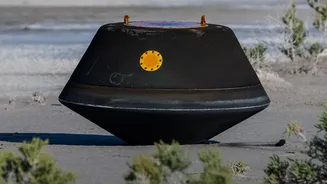
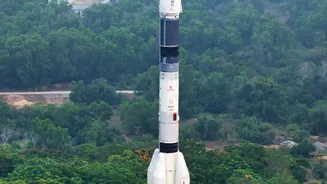
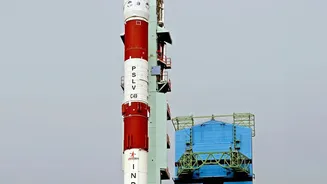
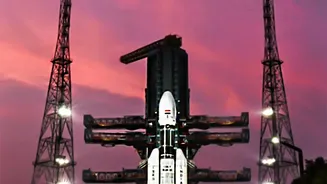
In human spaceflight, there is no room for error. As one of the selected Gaganyaan astronauts, Group Captain Angad Pratap, has noted, delays in such prototype programmes are natural and patience is crucial to ensure a successful outcome. Every uncrewed test is a deliberate step to identify and mitigate risks. These flights will validate the performance of the human-rated LVM3 rocket, the life-support systems within the crew module, and the critical sequence of manoeuvres required for a safe return. This includes the capsule's ability to withstand the intense heat of atmospheric re-entry and the precise deployment of parachutes for a gentle splashdown in the ocean. ISRO's mantra is to prove the safety and reliability of all systems before putting human lives on the line.
Testing the Technology to its Limits
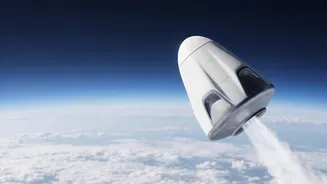
The upcoming tests are designed to validate a host of new technologies. The Orbital Module, which consists of the Crew Module (the living quarters) and the Service Module (which provides propulsion and power), will be pushed to its limits. Key systems under scrutiny include the Crew Escape System, designed to jettison the crew to safety in case of a launch anomaly, and the environmental control systems that ensure a pressurised, breathable atmosphere inside the capsule. Ground-based tests, such as the successful hot test of the CE20 cryogenic engine on September 9, 2026, also play a vital role in qualifying the hardware for the demanding requirements of a human-rated mission. The data gathered from these uncrewed flights is invaluable, feeding directly into the final preparations for the crewed launch.
The Final Countdown to History
Successful completion of the uncrewed test flights is the final gateway to India's first crewed mission, which is currently targeted for 2027. Following the G1 mission, at least one more uncrewed flight is planned to finalise all systems. Each successful test builds confidence and brings ISRO closer to the moment it can confirm a launch date for its astronauts. While the timeline remains dependent on the outcomes of these meticulous tests, each milestone passed is a significant step forward. These uncrewed missions are the quiet, methodical work that turns a bold national dream into an engineered and verifiable reality, paving the way for India to write a new chapter in the history of space exploration.