




A New Playbook for the Red Planet
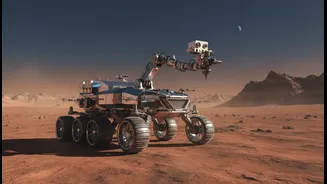
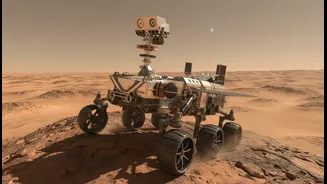
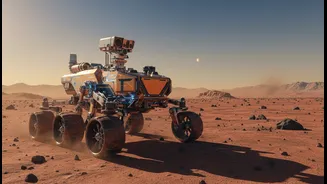
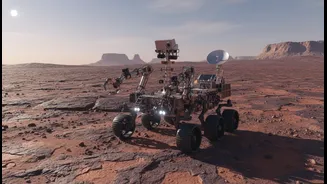
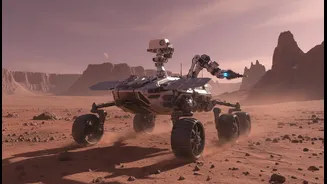
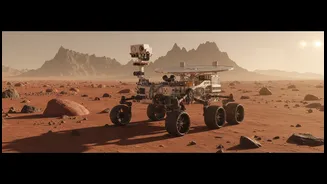
For decades, our image of Mars exploration has been defined by iconic, car-sized rovers like Curiosity and Perseverance. These mobile science labs have been revolutionary, but they are also expensive, complex, and risk-averse. This has left scientifically
valuable areas—like steep crater walls, treacherous rocky fields, or potential cave entrances—tantalizingly out of reach. Recognizing this, NASA is adopting a new strategy: public-private partnerships. This approach aims to accelerate discovery and increase the frequency of missions by leveraging the innovation and agility of the commercial sector. It’s a force multiplier for science, allowing NASA to focus on core research while private industry helps build the tools to get there.
Meet the STRIDE Initiative
The new push is formalized under an initiative called Science Transport and Robotic Innovation for Deployment and Exploration, or STRIDE. On July 8, 2026, NASA announced it had awarded contracts with a total potential value of around $17 million to seven companies. The goal is not to build one single rover to do everything, but to foster an ecosystem of specialized surface and aerial robots. These machines will be designed to travel greater distances and navigate the difficult terrain that current rovers cannot handle. This investment marks a deliberate pivot towards a more diverse and resilient approach to planetary exploration.
AeroVironment: Mastering the Martian Skies
AeroVironment is no stranger to Mars, having been a key partner in developing the history-making Ingenuity helicopter. Building on that success, the company will likely focus on more advanced aerial platforms. Future Mars helicopters or drones could act as scouts for rovers, map terrain in high resolution, and explore areas inaccessible from the ground. Their expertise in lightweight, autonomous flight is critical for the next generation of aerial explorers that can fly farther and carry more sophisticated scientific instruments.
Astrobotic and Intuitive Machines: From the Moon to Mars
Both Astrobotic and Intuitive Machines are major players in NASA's commercial lunar landing services. This gives them invaluable experience in successfully delivering payloads to the surfaces of other worlds. For the STRIDE initiative, their expertise will be crucial in designing mobility systems that are not only robust and capable but can also be delivered safely and efficiently. Their involvement signals a key synergy in NASA's strategy, applying lessons learned from the Moon to the challenges of Mars.
Honeybee Robotics: The Digging and Drilling Experts
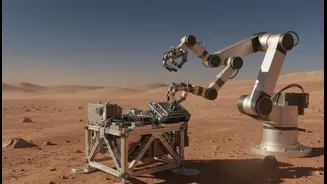
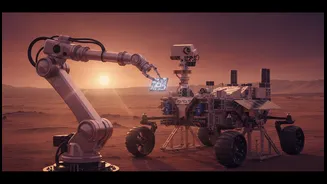
To understand if Mars ever hosted life, scientists need to look beneath the surface. Honeybee Robotics has a long and successful history of developing drills, grinders, and sample collection systems for NASA, including instruments on the Curiosity and Perseverance rovers. Under STRIDE, their work will likely focus on creating more advanced or miniaturized systems that can be deployed on smaller, more agile robots. This could enable future missions to dig for subsurface ice or collect samples from the walls of steep craters.
Venturi Astrolab and Ground Control Robotics: Redefining Mobility
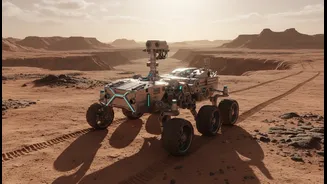
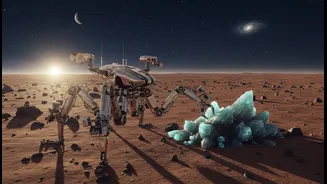
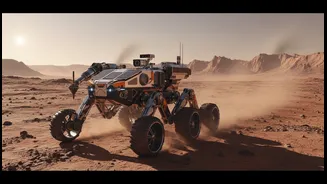
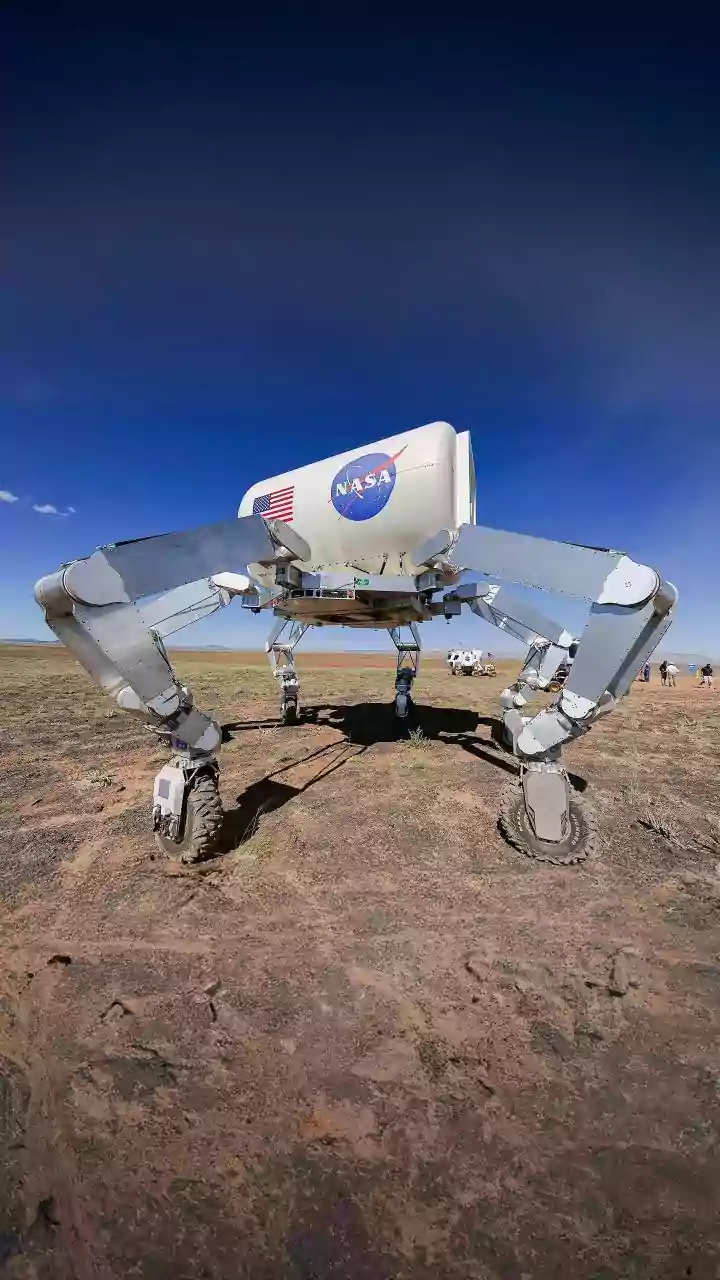
Newcomers and specialists are also a key part of NASA's plan. Companies like Venturi Astrolab and Ground Control Robotics bring fresh perspectives to the fundamental challenge of simply getting around on Mars. Past rovers have sometimes struggled with sand traps and rough terrain. These firms are tasked with developing innovative rover designs and mobility concepts that could lead to more resilient, faster, or more versatile ground vehicles. This could involve new wheel designs, chassis configurations, or even legged robots capable of walking over obstacles.
MEI Technologies: The System Integrators
MEI Technologies, which merged to form Aegis Aerospace, brings expertise in systems integration to the table. Developing a single robot is complex, but ensuring a fleet of diverse robots can work together is another challenge entirely. This company will likely focus on the systems and software that allow different robotic platforms—from rovers to aerial drones—to communicate and coordinate. This is essential for creating a true robotic ecosystem where multiple agents can collaborate on complex scientific tasks without constant human oversight.