





Living in a bustling Indian city often means sacrificing garden space. But what if you could grow up? A vertical garden wall is an innovative solution to bring lush greenery into the tightest of spaces, turning any bare wall into a living oasis.
What Exactly Is a Vertical Garden?
A vertical
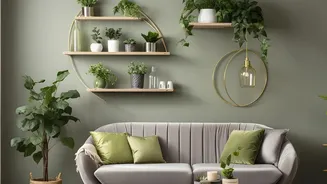
garden, also known as a living wall, is a method of growing plants on a vertically suspended structure. Instead of planting in the ground or in traditional pots spread across a floor, plants are grown in panels, modules, or pockets attached to an indoor or outdoor wall. This technique makes use of upward space, creating a dense and beautiful display of foliage in a compact footprint, making it perfect for urban homes, balconies, and apartments where ground space is a luxury.
The Benefits of Going Vertical
Beyond the obvious space-saving advantage, vertical gardens offer a host of benefits. They act as natural air purifiers, improving indoor air quality by absorbing pollutants and releasing oxygen. A wall of living plants can also help regulate temperature, providing natural insulation that keeps spaces cooler in the heat. Aesthetically, they transform a dull wall into a stunning piece of living art, enhancing the beauty of your home and promoting a sense of well-being. Plus, with easy access to the plants at eye level, tasks like watering and pruning become much simpler.
Choosing Your System
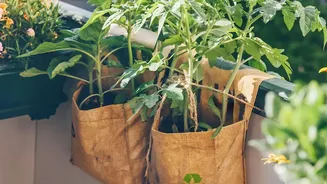
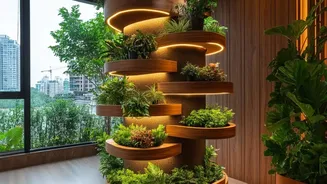
There are several types of vertical garden systems to choose from, each suited to different needs and spaces. Modular or container systems are popular and involve individual pots or panels that are fixed to a frame. These are versatile because you can easily rearrange or replace individual plants. Another common type uses pocket planters made from durable fabric, where plants are inserted into individual pouches. For the more ambitious gardener, hydroponic systems grow plants in nutrient-rich water without any soil, though these are often more complex to set up. For a simple start, you can even use trellises for climbing plants or create a DIY system from a repurposed wooden pallet.
Best Plants for Indian Climates
The key to a successful vertical garden is choosing the right plants for your specific light conditions. For shady balconies or north facing walls, opt for plants that thrive in indirect light. Money Plant (Pothos), Philodendron, Spider Plant, and various ferns like the Boston Fern are excellent, hardy choices that adapt well to Indian humidity. If your wall gets plenty of sun, you'll need heat tolerant varieties. Succulents like Portulaca and Aptenia are great options, as are flowering plants like Vinca (Sadabahar). You can also grow a variety of herbs like mint, coriander, and basil, or leafy greens such as spinach and lettuce, provided they get a few hours of sunlight.
Getting Your Wall Started
Starting your vertical garden is a manageable project. First, choose your location carefully, paying close attention to the amount of sunlight it receives. Next, select and install your chosen system, whether it’s a pre made kit or a DIY frame. Use a lightweight, well draining potting mix, typically a blend of cocopeat, compost, and perlite, as regular garden soil is too heavy. When planting, place sun loving species at the top and shade tolerant ones at the bottom, as the upper tiers tend to get more light and dry out faster. Water the plants thoroughly after planting to help them settle in.
Proper watering is crucial for a vertical garden. Gravity causes water to move downwards, so the top pockets or containers will dry out much faster than the bottom ones. It's best to water at the base of each plant rather than pouring from the top to prevent fungal growth. For larger walls, a drip irrigation system can provide consistent moisture to every plant, but for smaller setups, manual watering every couple of days is usually sufficient. Check the soil regularly and water only when it feels slightly dry to the touch. Occasional pruning will keep the plants from becoming overgrown and ensure all plants receive enough light and air.