




Hack 1: Go Vertical to Reclaim Your Desk
When floor space is a luxury you can't afford, the only way to go is up. A cluttered desk is a major productivity killer, and a small corner office is especially vulnerable. Instead of letting papers, stationery, and gadgets colonize your work surface,
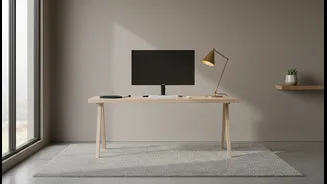
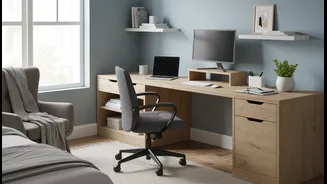
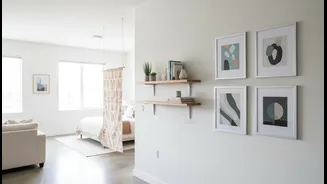
focus on leveraging the empty wall space above your desk. This is one of the most effective ways to make a small area feel bigger and more organized. Start by installing floating shelves. They offer a minimalist look while providing ample space for books, files, and decorative items that make the space feel personal. Below them, consider adding a pegboard or magnetic strips. These are incredibly versatile for hanging tools, scissors, cables, and even small baskets for pens and other supplies. This keeps frequently used items within arm's reach but off your primary workspace. Using vertical storage frees up valuable desk real estate, allowing you more physical and mental space to concentrate on the task at hand. You can even find compact, wall-mounted folder organizers to keep important documents visible and tidy. The goal is to move everything that doesn't need to be on your desk onto the wall, creating a clean, efficient, and inspiring work zone.
Hack 2: Master the Art of the Disappearing Office
Working and sleeping in the same room can blur the lines between your personal and professional life, making it difficult to switch off. The solution is to create a workspace that can be hidden away at the end of the day. This provides a powerful psychological cue that work is over, allowing you to reclaim your bedroom as a place of rest. A popular and effective option is the 'cloffice,' or closet office. By converting a wardrobe or an alcove, you can build a self-contained workstation that disappears behind closed doors. When the day is done, you simply close the doors, and any work-related clutter is instantly out of sight. If you don't have a spare closet, consider a secretary desk. This classic piece of furniture has a fold-down desktop that conceals storage compartments when closed, presenting a neat and tidy facade. For those needing even more flexibility, folding or fold-down desks can be mounted on a wall or stored away completely after use. Using screens or room dividers can also create a visual barrier, sectioning off your workspace and reducing distractions. The ability to conceal your office helps maintain a clutter-free aesthetic and, more importantly, a stress-free mind.
Hack 3: Optimise Light and Tame Your Tech
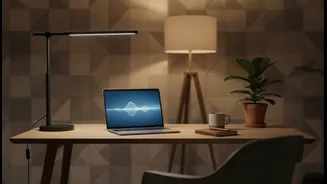
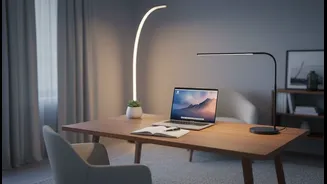
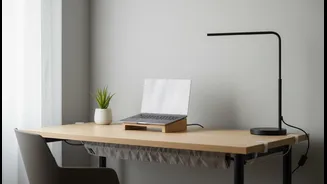
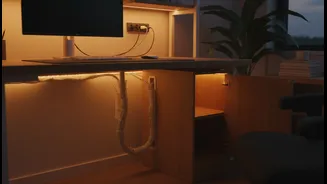
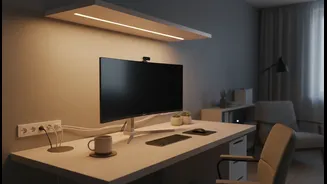
A productive workspace is about more than just furniture; it's an environment that supports focus. Two of the most overlooked elements in a small corner setup are lighting and technology management. Poor lighting can cause eye strain and fatigue, while a jungle of cables creates visual clutter and stress. Start by maximising natural light if possible, but supplement it with good artificial light. A monitor light bar, for instance, illuminates your desk without causing glare on your screen, reducing eye strain significantly. A flexible task lamp can provide focused light for reading documents. Next, tackle the cable clutter. A monitor arm is a game-changer for small desks; it lifts your screen off the surface, instantly creating more usable space and a cleaner look. Combine this with wireless peripherals like a keyboard and mouse to eliminate the most common cords. For the remaining cables, use under-desk cable trays or magnetic organizers to keep them bundled and out of sight. A single, dedicated power strip hidden away can manage all your charging needs without creating a tangled mess. By curating your light and decluttering your tech, you create a calm, organized, and highly functional environment primed for deep work.