





Why Cold Weather Demands a Better Warm-Up
When you step out into the cool October air, your body instinctively works to conserve heat. It does this by narrowing blood vessels, a process called vasoconstriction, which reduces blood flow to your extremities and skin. This means the muscles in your arms
and legs receive less oxygen and warmth than they do in milder weather. As a result, muscles, tendons, and ligaments become tighter, stiffer, and less flexible. The fluid in your joints can also thicken, leading to reduced mobility. Jumping into your usual workout with cold, less pliable muscles significantly increases your risk of strains, sprains, and other injuries. Simply put, your body is less prepared for intense activity, and your old warm-up routine is likely no longer sufficient to bridge the gap safely.
The Golden Rule: Embrace Dynamic Stretching
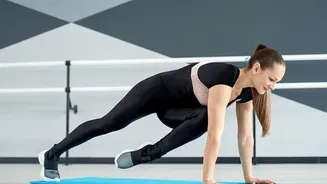
The key to an effective cold-weather warm-up is shifting your focus from static stretching to dynamic stretching. Static stretches, where you hold a position for an extended period, are best saved for your post-workout cool-down. Before a workout in the cold, your goal is to generate heat and actively prepare your body for movement. Dynamic stretches are active movements that take your muscles and joints through their full range of motion. This approach not only increases your body temperature and heart rate but also boosts blood flow and enhances the connection between your brain and muscles, improving coordination. Think of it as a rehearsal for your main workout, waking up the specific muscle groups you are about to use.
Designing Your New October Warm-Up
A proper cold-weather warm-up should be longer than you might be used to—plan for at least 10 to 15 minutes. The goal is to gradually increase your heart rate and body temperature. A good protocol starts indoors if possible, before you even face the cold. Begin with 3-5 minutes of light cardio to get your blood pumping. This could be jogging in place, jumping jacks, or a brisk walk. Once you feel slightly warmer, transition to a series of dynamic stretches for another 5-10 minutes. Focus on the muscles you'll be using in your main activity. If you're a runner, prioritize your legs and hips; if you're playing a sport, incorporate movements that mimic the game. Only after this thorough preparation should you begin the main part of your workout, starting at a lower intensity and gradually building up.
Essential Dynamic Movements to Include
Not sure where to start with dynamic stretches? Here are some foundational movements that are perfect for a cold-weather routine: Leg Swings: Holding onto a wall for balance, swing one leg forward and backward 10-15 times, then side-to-side. This opens up the hips and warms the hamstrings and glutes. Arm Circles: Extend your arms to the side and make small circles, gradually increasing their size. Reverse direction after 30 seconds to warm up the shoulder joints. Walking Lunges with a Twist: Step forward into a lunge and gently twist your torso over your front leg. This engages your legs, core, and improves spinal mobility. High Knees and Butt Kicks: Alternate bringing your knees up towards your chest and kicking your heels towards your glutes. These classic drills elevate your heart rate and activate your leg muscles.