








The Pressure on Household Budgets
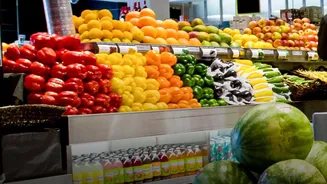
Across India's metros, households are navigating a tricky financial landscape. Retail inflation reached 5.54% in September 2026, with food inflation hitting a more concerning 7.74%. This surge directly impacts daily essentials, with prices for kitchen
staples like onions, ginger, and garlic seeing sharp increases. This persistent pressure on everyday expenses means that when the festive season arrives, the money available for discretionary spending is already squeezed. A recent survey by LocalCircles indicates that total festive spending by urban households is estimated to fall by 6% in 2026 compared to the previous year, highlighting a mood of caution. While the desire to celebrate remains strong, families are forced to make more deliberate choices about where their money goes.
A Shift from Big-Ticket to Smart Buys
The most significant change in festive spending is the move away from large, impulsive purchases towards more considered, value-driven shopping. While one survey notes that 77% of urban consumers still plan to spend, they are doing so with sharper focus, concentrating their spending in fewer categories. There's a noticeable pullback in big-ticket categories like high-end electronics and jewellery. The cost of gold and silver jewellery, for instance, has risen dramatically. Instead of splurging, consumers are becoming savvy shoppers, actively looking for discounts, comparing prices, and leveraging EMI options and bundled deals to make their budgets stretch further. This trend is also reflected in online sales, where despite a rise in the number of orders, the average order value has declined, suggesting people are buying more, but cheaper, items.
Experiences Over Possessions
Part of the re-evaluation involves a growing preference for spending on experiences rather than physical goods. For many, the joy of the festive season is increasingly found in creating memories. A survey noted that travel and holidays are a key spending category for 45% of households planning to make purchases. This shift reflects a desire to connect with family and friends through shared activities, be it a short vacation, a special meal at a restaurant, or attending local cultural events. While apparel and home goods remain popular, the conscious decision to allocate funds towards experiences suggests a deeper change in consumer priorities, where the intangible value of making memories is beginning to outweigh the temporary thrill of acquiring new things.
The Rise of the Cautious Consumer
This festive season is defined by the 'cautious consumer'—someone who wants to celebrate but must do so practically. According to survey data, a significant 83% of households planning to spend this season will need to dip into their savings to fund their purchases. Furthermore, about 31% of urban households are planning no discretionary spending at all, opting out of non-essential festive shopping entirely. Retailers and brands are taking note. Many are adapting their strategies to appeal to this new mindset by offering smaller, more affordable gift packs, promoting loyalty rewards, and ensuring their promotions are genuinely valuable. The focus is on affordability and accessibility, acknowledging that while the festive spirit is resilient, household budgets are finite.