



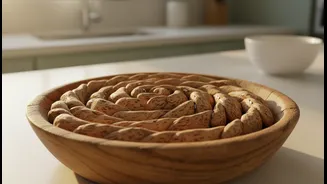


The Powerhouse Lentil Rediscovered
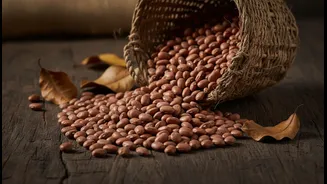
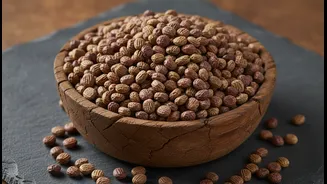
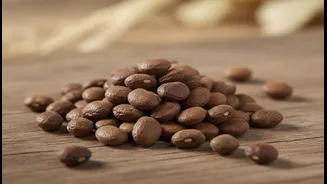
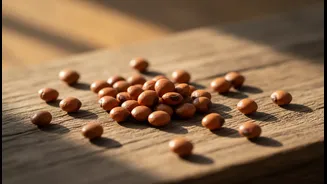
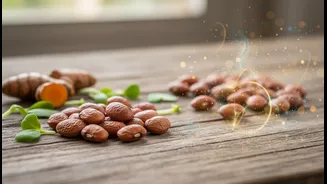
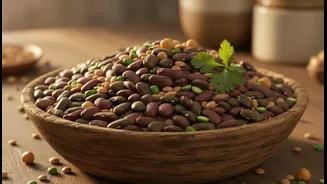
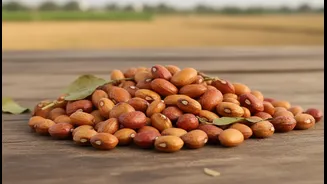
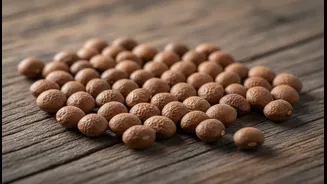
For generations, horse gram (Macrotyloma uniflorum) was a staple in rural and traditional Indian diets, especially in southern states. Known locally as kulthi, hurali, or kollu, this hardy lentil was often used as fodder for horses and cattle, a testament
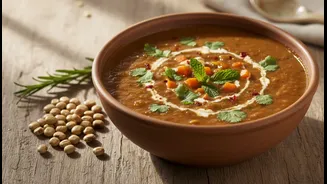
to its high energy and protein content. It thrives in arid conditions where other crops might fail, making it a symbol of resilience. Nutritionally, it’s a giant, packed with protein (around 20-25%), dietary fibre, iron, calcium, and essential amino acids. Traditionally, it was consumed in warming rasams and simple dals, valued in Ayurveda for its heating properties and medicinal uses, such as treating kidney stones and colds.
Why the Sudden Comeback?
The revival of horse gram in urban centres isn't accidental. It’s driven by a powerful shift towards conscious consumption and wellness. Health-aware urbanites are increasingly looking past fleeting global fads to rediscover indigenous superfoods. Horse gram fits the bill perfectly. It's naturally gluten-free, boasts a low glycemic index beneficial for managing blood sugar, and its high fibre content aids in weight management by promoting a feeling of fullness. The focus on boosting immunity has also put its antioxidant and polyphenol content in the spotlight. In essence, what was once considered old-fashioned is now seen as a clean, sustainable, and powerful plant-based protein source.
Beyond the Dal: New Kitchen Creations
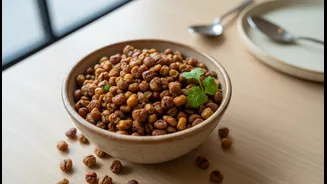
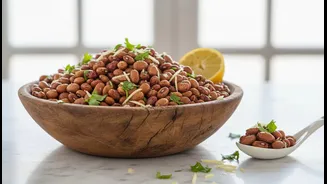
The real reinvention is happening in the kitchen, where urban foodies are moving far beyond traditional preparations. The nutty, smoky flavour of horse gram lends itself to a variety of modern dishes. Sprouted horse gram is becoming a popular base for vibrant, protein-packed salads, tossed with chopped vegetables and a squeeze of lemon. The cooked legume is being blitzed into creamy, earthy hummus as a healthier alternative to chickpeas. Some are even using flour made from roasted horse gram to create nutrient-dense parathas, idlis, and dosas. Others are crafting energy bars and savoury tikkis, seamlessly integrating this ancient grain into a fast-paced, modern lifestyle.
Getting Started in Your Kitchen
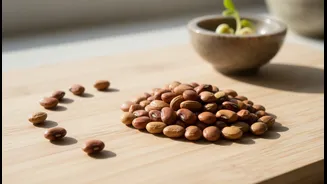
Intimidated by this tough little lentil? Don't be. The key to unlocking horse gram’s potential is proper preparation. The most crucial step is soaking. An overnight soak (at least 8-12 hours) is recommended to reduce cooking time and make the nutrients more bioavailable. After soaking, it's best to pressure cook the lentils until they are tender but not mushy, which can take a good 30-40 minutes. Once cooked, the possibilities are endless. Use the strained water to make a flavourful rasam or soup. Add the cooked lentils to salads, mash them for cutlets, or stir them into a vegetable stir-fry. For a quick nutritional boost, you can even find horse gram powder to mix into batters and smoothies.