





The Fibre Fundamentals
Dietary fibre is a type of carbohydrate the body can't digest. [3] It plays a crucial role in maintaining digestive health, regulating blood sugar, and lowering cholesterol. [3, 4] Experts recommend a daily intake of 25 to 38 grams of fibre for adults.
[2, 16] Unfortunately, studies suggest many urban Indians consume only about 15 grams per day, falling short of the goal. [6] There are two main types: soluble fibre, which dissolves in water and helps control blood sugar and cholesterol, and insoluble fibre, which adds bulk to stool and prevents constipation. [3] The beauty of a traditional Indian diet is that it naturally provides a healthy mix of both. [3]
The Power of Pulses and Legumes
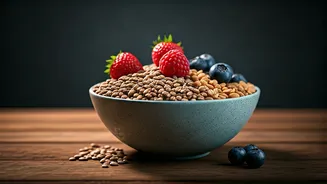
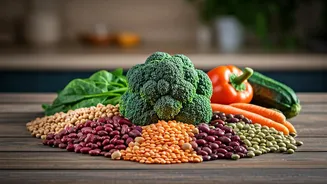
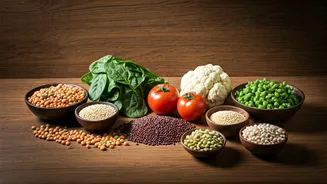
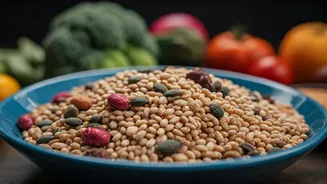
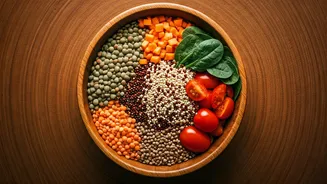
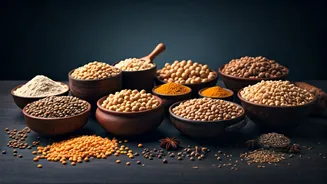
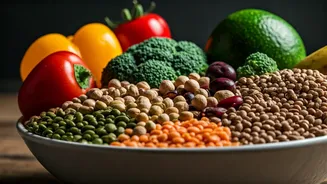
The humble dal, a cornerstone of Indian meals, is a fibre superstar. Lentils (dals), chickpeas (chana), and kidney beans (rajma) are packed with both protein and fibre. [3] A single cup of cooked lentils can provide over 15 grams of fibre, which is more than half the daily recommendation for many adults. [15, 21] Dishes like rajma-chawal, chana masala, and moong dal cheela are not just comfort foods; they are dense sources of soluble fibre that keep you feeling full and support heart health. [2, 16] Sprouting pulses, a common practice in many Indian households, further enhances their nutritional value and fibre content. [3]
The Whole Grain Advantage
The choice of flour is critical, and traditional Indian breads have always favoured whole grains. A simple roti made from whole wheat atta is far superior to bread made from refined flour (maida). [7] One cup of whole wheat flour contains around 12.8 grams of fibre, while the same amount of refined white flour has only about 3 grams. [13, 27] Beyond wheat, Indian cuisine embraces a variety of millets like jowar (sorghum), bajra (pearl millet), and ragi (finger millet). [10, 20] These ancient grains are naturally gluten-free and high in insoluble fibre, which is excellent for digestive regularity. [3, 22] A warm bajra roti in winter or a soft jowar bhakri is a delicious way to boost your fibre intake. [17, 22]
Vibrant Vegetables and Fruits
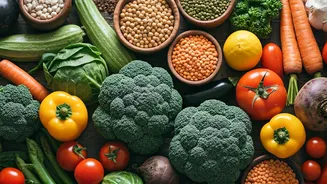
No Indian thali is complete without a colourful array of vegetables, and this is where much of our dietary fibre comes from. Common vegetables like bhindi (okra), lauki (bottle gourd), spinach, and carrots are excellent fibre sources. [3, 18] Okra is particularly noted for its high soluble fibre content. [2] Even root vegetables like sweet potatoes and beetroots contribute significantly to our daily fibre needs. [2] Traditional recipes often use these vegetables whole, with their skin on, preserving maximum nutritional value. Furthermore, fruits like guava, apples (with skin), papaya, and bananas are not just for snacking; they are integral parts of the diet and provide a healthy dose of fibre and essential vitamins. [3, 5]