





The Toran: A Sacred Welcome
The toran, also known as a bandhanwar, is more than just a decorative door hanging; it's a profound symbol of welcome and auspiciousness deeply embedded in Indian culture. Its origins can be traced back to ancient texts like the Puranas, where it signified
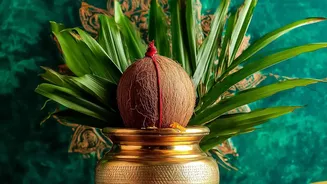
a sacred gateway. Traditionally, these are crafted from fresh mango leaves and marigold flowers. This choice of materials is rich with meaning: mango leaves are associated with prosperity and are believed to purify the air, while the vibrant orange of marigolds is thought to ward off negative energy. Hanging a toran is a ritual in itself, an invitation to Goddess Lakshmi, the deity of wealth and prosperity, to bless the home. It acts as the first gesture of hospitality, telling every guest they are entering a space of warmth and positive energy.
A Legacy Woven into Tradition
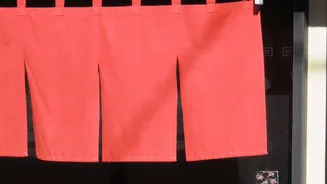
The significance of the toran extends beyond a single festival. While they are a quintessential part of Diwali, they also adorn doorways during weddings, housewarmings (Griha Pravesh), and other celebrations. The very word 'toran' comes from the Sanskrit 'torana', meaning 'to pass', referencing arched gateways in ancient Indian architecture, like those at the Sanchi Stupa. This historical connection highlights its role as a marker for a sacred threshold. Over centuries, while the fresh, natural torans remain cherished, new forms have emerged. Today, you can find them made from fabric, beads, metal, and mirrors, often featuring intricate embroidery and traditional motifs like peacocks or elephants, blending timeless symbolism with lasting artistry.
The Modern Glow of DIY Lanterns
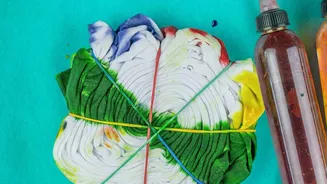
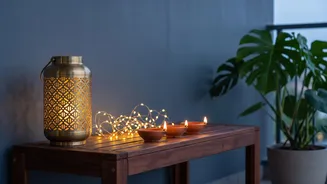
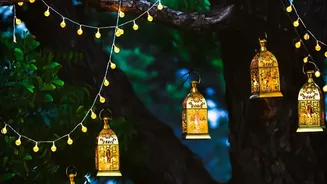
Alongside the timeless toran, another light has been growing brighter in the landscape of festive decor: the paper lantern, or 'akash kandil'. While lanterns have their own history, originally being clay 'akashdeeps' or 'sky lamps', their modern incarnation as colourful paper creations has captured the contemporary imagination. A significant part of their charm lies in the 'do-it-yourself' aspect. In an age of personalisation, creating something with your own hands adds a unique layer of joy and ownership to the festivities. Crafting paper lanterns has become a popular family activity, a way to spend time together and infuse the home with a personal touch. These lanterns are not just about light; they are about creativity, community, and making memories.
A Palette of Personal Expression
Where the traditional toran speaks a language of sacred symbolism with its natural greens and oranges, the DIY paper lantern offers a boundless spectrum of colour and form. From simple folded paper designs to intricate geometric shapes assembled from bamboo frames, the possibilities are endless. This allows for a modern, playful, and highly individualised aesthetic. You can match lanterns to your home's interior, experiment with bold new colour combinations, and even incorporate modern elements like LED lights. This adaptability is key to their popularity. They add a vibrant, contemporary flair that complements, rather than competes with, more traditional decorations. The lantern becomes a canvas for personal expression, adding a layer of modern artistry to the festive atmosphere.
Tradition and Trend: A Harmonious Blend
The beauty of festive decor in India today lies not in a choice between the toran and the lantern, but in their harmonious coexistence. It paints a picture of a culture that reveres its roots while enthusiastically embracing the new. Walk through a neighbourhood during Diwali, and you'll likely see a traditional mango-leaf toran on the main door, a symbol of heritage and divine welcome. Look up at the balconies and windows, and you'll see the colourful, creative glow of handmade paper lanterns, a celebration of individual joy and modern aesthetics. This blend is not a contradiction; it is a reflection of contemporary Indian identity—one that finds space for both sacred ritual and personal creativity. Together, they tell a richer, more complete story of what it means to celebrate today.