









The Divine Genius: Diego Maradona (1986)
When you talk about a single player dragging a team to glory, the conversation begins and ends with Diego Maradona. In 1986, his captaincy wasn't about tactical speeches; it was about sheer, undeniable, on-field divinity. He scored or assisted 10 of Argentina's
14 goals, including the infamous 'Hand of God' and the 'Goal of the Century' in the same quarter-final against England. Maradona's leadership was primal. He was the team's heart, its engine, and its soul. He absorbed all the pressure, deflected criticism from his teammates, and delivered moments of magic that defied belief. While other captains led with words, Maradona led with his feet, proving that sometimes, genius is the ultimate form of leadership.
The Tactical Emperor: Franz Beckenbauer (1974)
Franz Beckenbauer didn't just captain West Germany to victory in 1974; he revolutionised a position while doing it. As the original 'libero' or modern sweeper, 'Der Kaiser' was the team's on-field brain. His leadership was cool, cerebral, and tactical. He read the game like no other, organising the defence, launching attacks from deep, and projecting an aura of unflappable calm. In the final, facing Johan Cruyff's legendary 'Total Football' Netherlands side, Beckenbauer's tactical discipline was crucial. After going down 1-0 in the first minute, his team never panicked. They stuck to the plan, marshalled by their emperor, and ultimately triumphed 2-1. Beckenbauer’s greatness lies in his intelligence and his ability to impose order on chaos.
The Ultimate Pragmatist: Didier Deschamps (1998)
Eric Cantona famously dismissed him as a mere "water-carrier," but Didier Deschamps turned that insult into a badge of honour. As captain of France's triumphant 1998 side, he was the strategic core of a team filled with flair players like Zinedine Zidane. Deschamps wasn't the most gifted player, but he was arguably the most important. His job was to win the ball, break up play, and provide the defensive foundation that allowed the artists to create. His leadership was selfless, tireless, and fiercely pragmatic. He was the coach's representative on the pitch, ensuring tactical discipline and maintaining the team's balance. His legacy is unique: he is one of only three men to win the World Cup as both a player and a manager, proving his understanding of what it takes to win is second to none.
The Final Redemption: Lionel Messi (2022)
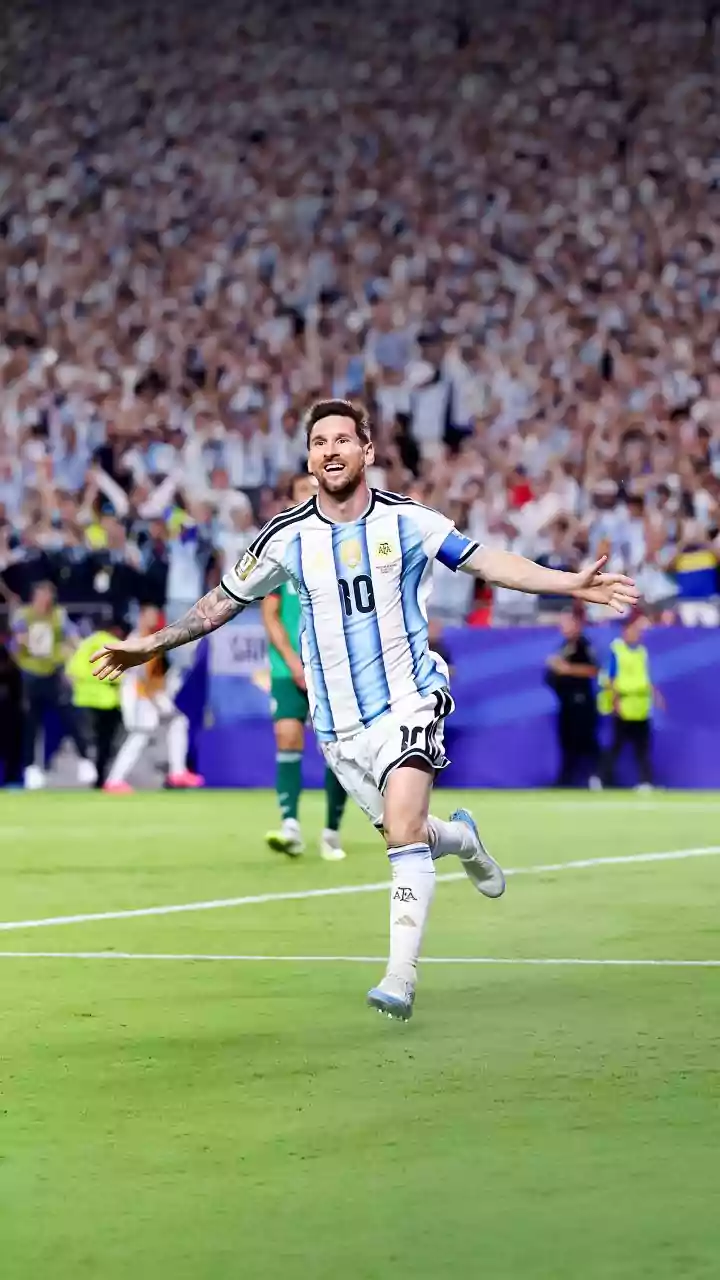
For years, the one thing missing from Lionel Messi's unparalleled career was the World Cup. He carried the weight of an entire nation's expectations through five tournaments, often in stoic silence. But in 2022, a different Messi emerged. This was not the quiet genius of Barcelona; this was a vocal, passionate, and combative leader. He led from the front, scoring in every knockout game and delivering a mesmerising performance in one of the greatest finals ever played. His leadership wasn't just in his goals but in his visible desire, his arguments with referees, and his rallying of a young, hungry squad. It was the culmination of a career, the completion of football's grand narrative. Winning the trophy didn't just cement his GOAT status; it redefined his legacy as a captain.
The Pantheon of Legends
The debate is endless because greatness comes in many forms. How can one ignore England's only World Cup-winning captain, the immaculate Bobby Moore (1966), a defender of peerless elegance and composure? Or Brazil's Cafu (2002), the marauding fullback who led the last great Seleção side to glory with a constant smile? What about Spain's Iker Casillas (2010), the 'Saint' whose crucial saves were as vital as any goal in their historic triumph? Each brought a unique style to the armband, from tactical nous to inspirational heroics, proving there is no single blueprint for a legendary captain.