






First, What Are Ultra-Processed Foods?
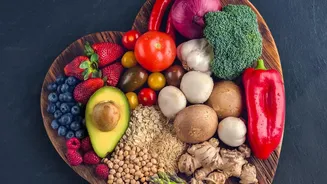
The term “ultra-processed food,” or UPF, gets thrown around a lot, but what does it actually mean? It comes from the NOVA classification system, which groups foods by their level of industrial processing. Unprocessed foods are things like fresh fruits
and vegetables. Processed foods might be canned fish or traditional cheeses. Ultra-processed foods are in a different league. These are industrial formulations made from substances extracted from foods (like fats, starches, and proteins) and synthesized in labs. Think packaged snacks, sugary drinks, ready-to-eat meals, and most breakfast cereals. A simple rule of thumb: if the ingredient list contains items you wouldn’t find in a home kitchen—like hydrogenated oils, protein isolates, emulsifiers, and artificial flavours—it's likely a UPF.
The Latest Health Warnings
A wave of recent, large-scale research paints a concerning picture. An umbrella review of 45 separate meta-analyses, involving nearly 10 million people, found that high consumption of UPFs is consistently linked to 32 damaging health outcomes. Convincing evidence showed about a 50% increased risk of cardiovascular disease-related death and a 48-53% higher risk of anxiety and common mental disorders. Highly suggestive evidence also linked high UPF intake to a 21% greater risk of death from any cause, a 22% increased risk of depression, and a 12% greater risk of type 2 diabetes. Other studies reinforce these findings, associating UPFs with increased risks of hypertension, obesity, certain cancers, and digestive diseases.
Designed to Be Overeaten
One of the most significant findings from recent research is that the problem isn't just the poor nutritional profile of UPFs; it’s how they are engineered. These foods are specifically designed to be “hyper-palatable,” making them incredibly rewarding and difficult to stop eating. One landmark trial from the National Institutes of Health found that when people were given either an unprocessed or an ultra-processed diet—matched for calories, fat, sugar, and fiber—they consumed an extra 508 calories per day on the UPF diet and gained weight. This suggests the processing itself disrupts the body's natural satiety signals, leading to overconsumption. This effect seems especially pronounced in adolescents and young adults, who are more vulnerable to overeating after consuming UPFs.
Rewiring the Brain
Emerging research now indicates that UPFs might even be rewiring our brains. Studies using brain imaging suggest that high consumption can alter brain regions involved in appetite, reward, and self-control. These foods can trigger inflammation that, via the gut-brain axis, affects neural circuits. This interference can lead to what some experts call “food noise”—constant, intrusive thoughts about food that drive cravings and compulsive eating behaviors. By hijacking the brain's reward system, UPFs create a cycle where the more you eat, the more you want, independent of actual hunger. This helps explain why simply telling someone to “eat less” is often ineffective when their diet is dominated by these products.
A Realistic Path Forward
Given that UPFs account for over half of the calories in many high-income countries and are rapidly increasing elsewhere, simply saying “don't eat them” isn't practical. They are convenient, affordable, and deeply embedded in our food system. The key, according to experts, is awareness and reduction, not necessarily total elimination. Start by reading labels to identify UPFs. Try to make small, sustainable swaps: choose plain yogurt over flavoured, snack on fruit and nuts instead of chips, or cook one extra meal from scratch each week. Focusing on adding more whole, unprocessed, or minimally processed foods to your plate can naturally displace the UPFs. The goal isn't perfection but a mindful shift toward a dietary pattern that prioritizes whole foods more often than not.