





The Enemy Within: Travel Hanger
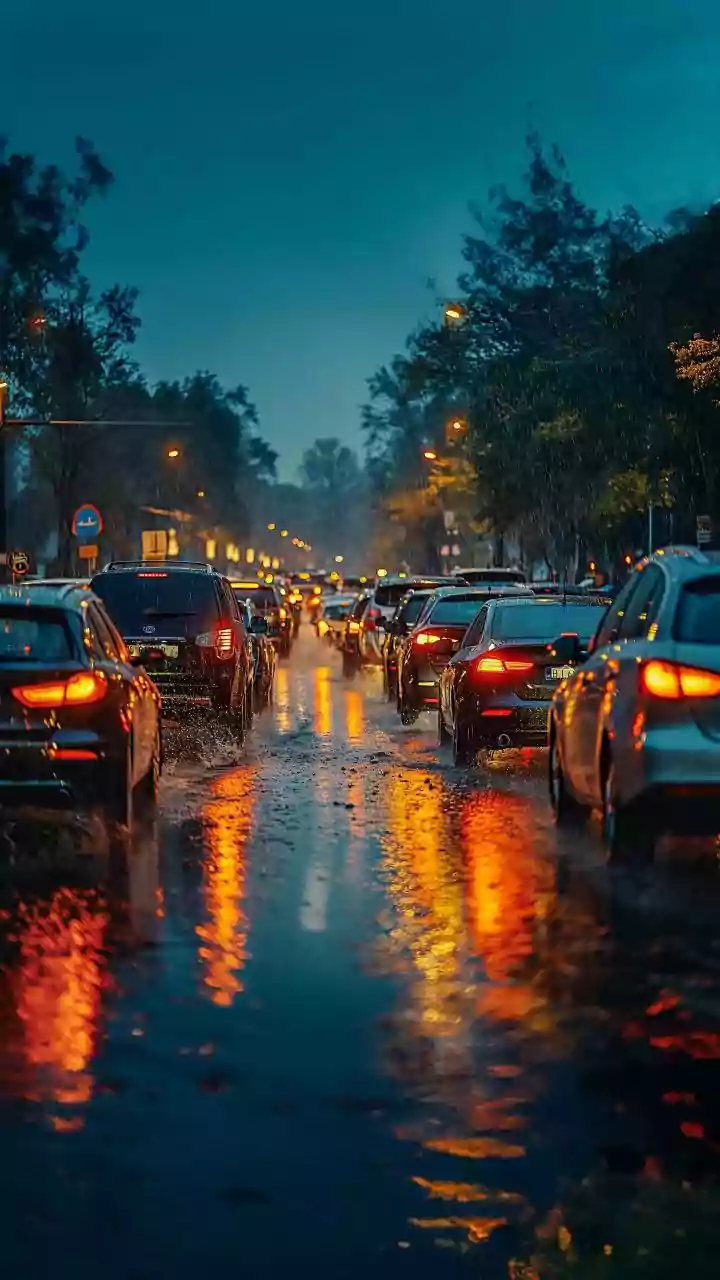
Travel is stressful. Disruptions to your routine, flight delays, and unexpected traffic can fray nerves. When you add hunger to this mix, it creates a perfect storm for meltdowns, especially with children. Travel can make you feel hungrier than usual
due to dehydration and changes to your body's internal clock. This isn't just about a rumbling stomach; it's a physiological response. Low blood sugar can lead to irritability, fatigue, and poor decision-making. Having a quick, accessible snack isn't about indulgence; it's about managing your body's response to a challenging environment. It’s your first line of defence against a trip turning sour before you’ve even reached your destination.
Meal vs. Emergency Snack: Know the Difference
It’s crucial to distinguish between the 'main travel meal' and 'emergency snacks'. Your main meal is the planned event: the sandwiches you packed for a road trip lunch, the pasta salad in the cooler, or the meal you plan to buy during a layover. These are typically more substantial and require you to stop and unpack. An emergency snack, on the other hand, serves a completely different purpose. It needs to be a quick, no-fuss, low-mess item that can be eaten with one hand while navigating an airport or sitting in a car. Think of it as your travel insurance policy against sudden hunger pangs, unexpected delays, or a mood crash. The main meal solves planned hunger; the emergency snack solves immediate, unplanned crises.
Anatomy of the Perfect Emergency Snack
Not all snacks are created equal in an emergency. The ideal choice is shelf-stable, requires no refrigeration, and is easy to handle. Great options include protein or granola bars, dried fruit, nuts (check for airline restrictions), pretzels, and crackers. The goal is a combination of protein, healthy fats, and fibre to provide sustained energy and keep blood sugar stable. Messiness is a major factor; save the crumbly pastries and juicy fruits for a picnic table, not a car seat. Individually packaged items are fantastic for convenience and portion control. Some seasoned travellers even pack a few 'surprise' treats they wouldn't normally have at home to serve as a special mood-booster for kids during a tough travel moment.
The Golden Rule: Strategic Separation
Here is the most important part: your emergency snacks must live in a separate, easily accessible place. Do not bury them in the main luggage or at the bottom of a cooler with the main meals. Keep them in your handbag, the front seat pocket, or a dedicated, small 'snack bag' within your carry-on. The moment a hunger emergency strikes, you won't have time to pull over and unpack the entire car. Accessibility is everything. This separation prevents you from dipping into your emergency stash out of boredom, preserving it for when you genuinely need it. It also makes navigating security and tight spaces on planes and trains much simpler. By creating this dedicated, easy-to-reach kit, you are preparing for the unpredictable nature of travel.
More Than Just Food
Ultimately, this strategy is about more than just food; it's about reducing stress and taking control of your travel experience. Packing your own snacks saves you from overpriced and often unhealthy airport or gas station options. It allows you to cater to your family's specific dietary needs and preferences, which is especially important when travelling with picky eaters or those with allergies. Knowing you have a reliable, go-to solution for a common travel problem provides peace of mind. It’s a small bit of planning that pays huge dividends in mood, comfort, and the overall enjoyment of the journey for everyone involved.