



Understanding the Monsoon Munchies
There's a scientific reason we crave hot, fried foods when it rains. Cooler temperatures make our bodies desire energy-dense, warm foods to maintain core temperature. Additionally, the grey, overcast skies can lead to a dip in serotonin, our mood-regulating
hormone. High-carb, salty, and fatty foods trigger a quick dopamine hit, making us feel good temporarily. This biological urge, combined with the cultural tradition of pairing chai with pakoras, makes the craving feel almost automatic. However, the high humidity during the monsoon can also slow down digestion, making heavy, fried foods harder on your system.
Swap Oily Pakoras for Moong Dal Chilla
Instead of deep-frying vegetables in batter, consider the humble moong dal chilla. This savoury pancake, made from ground moong lentils, is a powerhouse of plant-based protein and fibre. A couple of chillas can provide around 12-14 grams of protein, helping you feel full and satisfied for longer. They are light, easy to digest, and can be cooked on a non-stick pan with minimal oil, giving you that warm, comforting feeling without the heaviness of fried food. You can even stuff them with paneer or chopped vegetables for an extra nutrient boost.
Choose Roasted Chana and Makhana
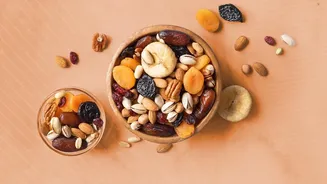
When you need a crunchy, salty snack, put down the bag of processed chips and pick up a bowl of roasted chana (chickpeas) or makhana (fox nuts). Both are fantastic sources of protein and fibre. Roasted chana is particularly high in protein, which helps with satiety and muscle maintenance. Makhana is lighter, lower in calories, and rich in minerals like calcium and magnesium. A quick toss with your favourite spices can turn these simple ingredients into a flavourful and addictive snack that perfectly complements a cup of tea.
Try a Warm Sprouted Moong Chaat
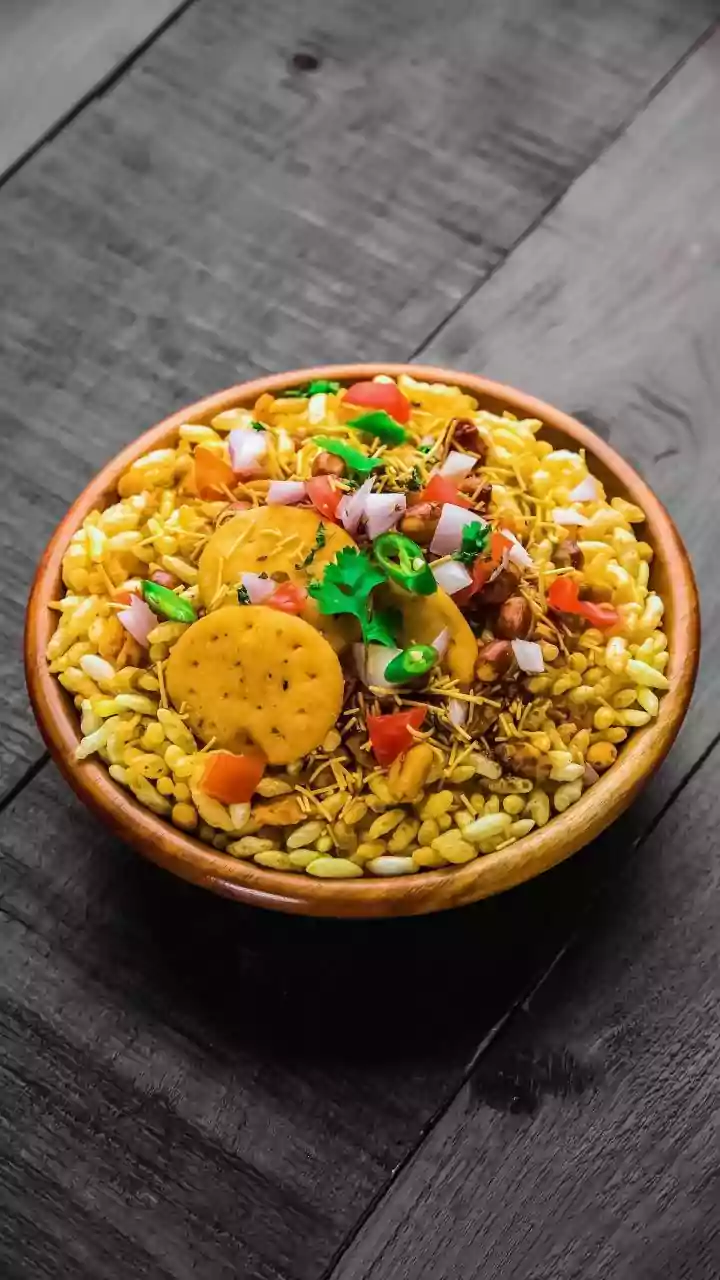
Street-side chaat might be risky during the monsoon due to hygiene concerns, but a homemade version is perfectly safe and incredibly healthy. A warm chaat made from lightly steamed or blanched moong sprouts is an excellent choice. Health authorities often recommend cooking sprouts during the monsoon to avoid bacteria. Sprouts are packed with protein, vitamins, and enzymes. Tossing them with chopped onions, tomatoes, and a squeeze of lemon creates a snack that is tangy, savoury, and full of life-giving nutrients.
Opt for Tandoori-Style Paneer Tikka
Craving something substantial and flavourful? Paneer tikka is a brilliant alternative to fried paneer pakoras. Paneer is an excellent source of protein, with a 100g serving providing a significant portion of your daily needs. Instead of deep-frying, you can marinate paneer cubes in yoghurt and spices and then grill, bake, or pan-sear them until golden brown. This method drastically cuts down the oil content while delivering the same satisfying, smoky flavour that makes for a perfect rainy evening treat.
Embrace Steamed Snacks
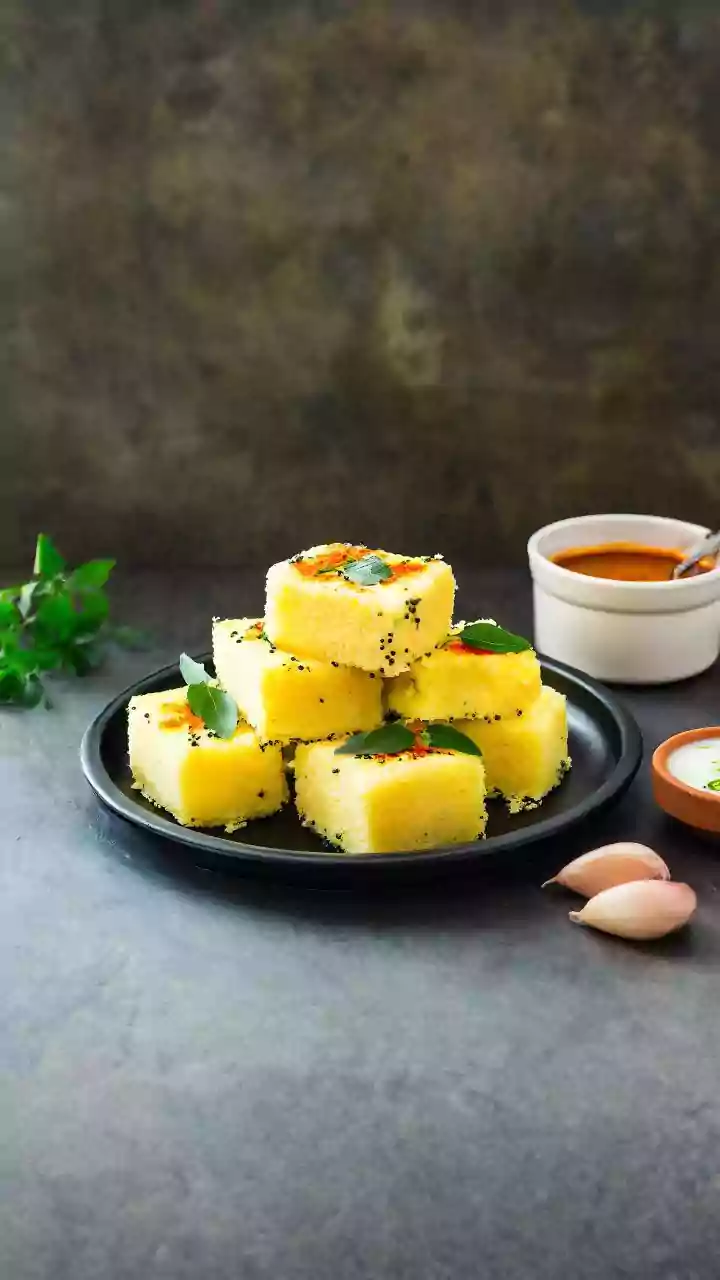
Steaming is a fantastic cooking method that preserves nutrients without adding extra fat. Snacks like vegetable dhokla, made from fermented gram flour, are light, fluffy, and protein-rich. Similarly, you can make steamed vegetable or chicken momos at home. By controlling the filling and steaming instead of frying, you get a delicious and wholesome snack. These options are gentle on the stomach and provide the warmth and comfort you crave on a damp, chilly day.