




Chasing the Monsoon for Hilsa in West Bengal
For Bengalis, the monsoon isn't just about overcast skies and welcome showers; it's the season of Ilish, or Hilsa. From July to September, this prized silver fish migrates from the Bay of Bengal upstream to spawn, and its flesh becomes exceptionally rich
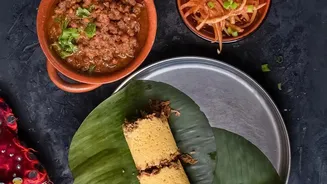
and flavourful. A trip to Kolkata or the riverine towns along the Hooghly during this period is a pilgrimage for food lovers. Local eateries and household kitchens come alive with preparations like Sorshe Ilish (Hilsa in a pungent mustard gravy) and Ilish Paturi (fish steamed in banana leaves). The experience of savouring a freshly cooked Hilsa dish while the rain pours down outside is a cultural immersion that is quintessentially Bengali.
A Warming Wazwan Feast in Wintery Kashmir
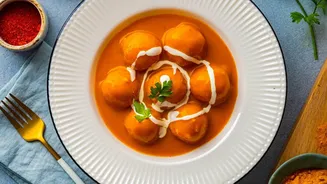
As winter blankets Kashmir in snow, its cuisine offers a warm, hearty embrace. This is the perfect time to experience the Wazwan, an elaborate multi-course meal that is the pinnacle of Kashmiri hospitality. A traditional Wazwan can feature up to 36 dishes, predominantly made with lamb, slow-cooked overnight by master chefs known as 'wazas'. Dishes like the fiery Rogan Josh, succulent Tabakh Maaz (fried ribs), and the delicate Gushtaba (meatballs in a yoghurt gravy) are deeply comforting in the cold climate. Travelling to Srinagar or Gulmarg between December and February turns a culinary journey into a magical experience, pairing royal recipes with snow-draped landscapes.
Punjab's Winter Harvest: Sarson da Saag and Makki di Roti
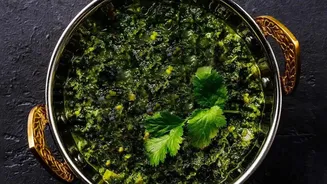
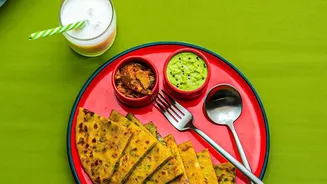
Winter in Punjab brings a bounty of fresh greens, and with them, the season's most iconic dish: Sarson da Saag. Made from tender mustard leaves, often blended with spinach and bathua (goosefoot), this slow-cooked green preparation is a rustic and nutritious delicacy. It is traditionally served with Makki di Roti, a flatbread made from maize flour, and topped with a generous dollop of white butter. The best way to enjoy this is to visit a farm or a traditional dhaba in the Punjabi countryside between December and February, when the mustard fields are lush and the air is crisp. It’s a taste of the earth, embodying the spirit of Punjab's agricultural heartland.
The Onam Sadya Spectacle in Kerala
Onam, Kerala's vibrant harvest festival celebrated in August or September, is incomplete without the Onam Sadya. This is not just a meal but a grand vegetarian feast featuring 25 or more dishes served on a single banana leaf. Each item—from tangy pickles and crunchy chips to staples like Avial (mixed vegetables in coconut), Sambar, and various payasams (desserts)—has its designated spot and is meant to create a harmony of flavours. Participating in a Sadya in places like Kochi or Thiruvananthapuram during the festival is a deep dive into Kerala's culture of abundance, community, and gratitude, marking the end of the monsoon with culinary splendour.
Gujarat’s Winter Speciality: Undhiyu
As the winter chill sets in across Gujarat, kitchens begin to prepare Undhiyu, a one-pot mixed vegetable casserole that is the state's most cherished seasonal dish. The name comes from the Gujarati word 'undhu', meaning upside-down, referring to the traditional method of cooking it in earthen pots buried underground. The dish brings together winter vegetables like surti papdi (green beans), purple yam, sweet potatoes, and fenugreek dumplings (muthiya). The best time to travel for this is during the winter months, especially around the Makar Sankranti festival in January, when Undhiyu parties are common. A trip to Surat offers the most authentic version of this hearty, celebratory dish.
Fresh Seafood in Post-Monsoon Goa
While Goa is a year-round destination, the period from October to February is a paradise for seafood lovers. After the monsoon subsides and the fishing ban is lifted, the coastal state's markets are flooded with the freshest catch. This is the ideal time to savour everything from Red Snapper and Kingfish to plump prawns and mackerel, cooked in classic Goan styles like Recheado or cafreal. The weather is pleasant, perfect for long lunches at beach shacks where you can enjoy grilled fish or a classic Goan fish curry rice. The monsoons force a focus on land-based produce, but winter is when the sea offers its most delicious bounty.
Cultural Feasting at Nagaland's Hornbill Festival
To taste the unique and diverse flavours of Naga cuisine, there is no better time than the first week of December, during the Hornbill Festival. Held near Kohima, this 'Festival of Festivals' brings together all of Nagaland's major tribes to showcase their culture, dance, and, most importantly, food. The food stalls are a vibrant introduction to Naga specialties, which often feature smoked meats, fermented bamboo shoots, and the fiery Naga king chilli (Bhut Jolokia). Visitors can sample dishes from various tribes, each with its own distinct cooking style and ingredients. It’s a culinary adventure that pairs a spectacular cultural event with some of India's most fascinating and lesser-known cuisines.