
The Constant Threat to Crops
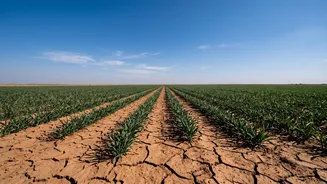
Punjab, often called India's breadbasket, faces persistent challenges that threaten its agricultural output. Farmers contend with unpredictable weather, rising input costs, and significant stress on natural resources like soil and water. Among the most
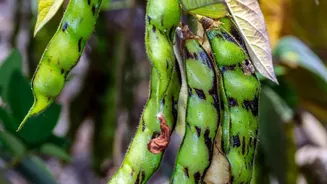
immediate threats are crop diseases and pests, which can wipe out a significant portion of a season's income. Estimates suggest that crop diseases cause yield losses of 20-40% worldwide every year. Traditionally, identifying a disease required a trained eye or waiting days for an agricultural expert's advice, by which time an infection could have already spread uncontrollably across the field. This gap between detection and treatment has led to financial distress and over-reliance on broad-spectrum pesticides, which raises costs and impacts soil health.
A Diagnostic Lab in Your Pocket
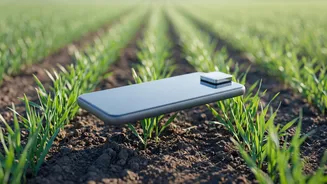
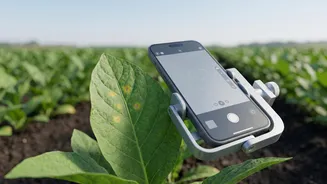
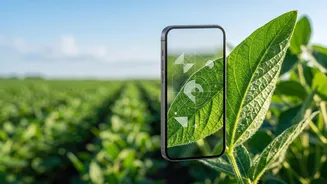
Artificial intelligence is providing a revolutionary solution. New mobile applications, powered by sophisticated AI, can now diagnose plant diseases from a single photograph. A farmer simply needs to take a picture of a suspicious-looking leaf, stem, or fruit with their smartphone. The app uploads the image, and an AI model known as a Convolutional Neural Network (CNN) analyzes it in seconds. These AI models are trained on vast databases containing thousands of images of healthy and diseased plants, allowing them to recognize subtle patterns, textures, and discolourations that are invisible to the untrained human eye. The app then provides an instant diagnosis, identifies the specific disease, and often suggests targeted treatment options.
How AI is Deployed in the Field
This technology is no longer theoretical; it's being actively used. Institutions like Punjab Agricultural University (PAU) are promoting smart farming and developing a skilled workforce to harness these digital tools. Apps like Plantix, which has India as its largest market, and the locally developed Fasal Doctor for Punjabi farmers, demonstrate the real-world application. These apps are designed to work even in areas with poor connectivity by processing images directly on the device. The process is simple: capture an image, let the AI analyze it, and receive a diagnosis with recommended actions, often in local languages. This empowers farmers to act quickly and precisely, moving from guesswork to data-driven decisions.
The Benefits of Precision Farming
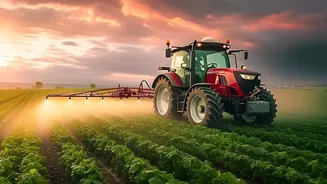
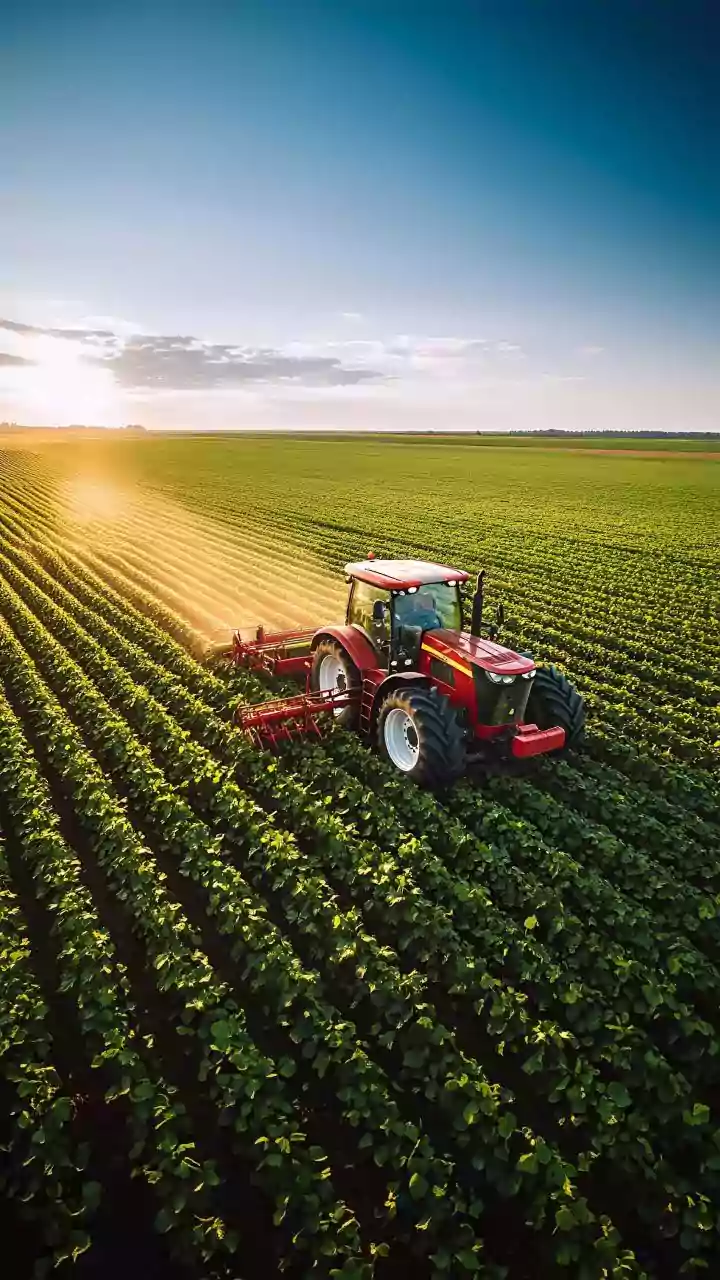
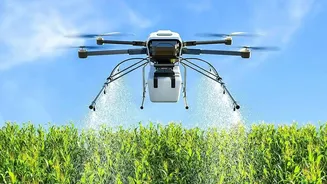
The impact of these AI tools extends far beyond a simple diagnosis. By enabling early and accurate detection, farmers can apply pesticides more surgically, targeting only the affected plants instead of spraying entire fields. This precision approach significantly reduces the cost of chemicals, labor, and protects the long-term health of the soil. Case studies from various regions in India have shown that AI-driven precision farming can lead to substantial reductions in water and fertilizer use while increasing crop yields and overall farm profitability. It bridges a critical gap in agricultural extension services, providing expert-level advice on-demand to millions of farmers who may not have direct access to agronomists.
Challenges on the Road to Adoption
Despite the immense potential, the widespread adoption of agri-tech in Punjab faces several hurdles. Key challenges include gaps in digital literacy among some farmers, the initial cost of technology, and inconsistent internet connectivity in rural areas. Building trust in AI-driven advice is also crucial; farmers need assurance that the technology is reliable and tailored to their specific local conditions. To ensure these innovations succeed, continued investment in rural digital infrastructure, accessible training programs, and the development of affordable, user-friendly tools are essential. Initiatives from universities and government bodies are aimed at overcoming these barriers and ensuring the benefits of AI reach every farmer.