






The Daily Lunch Dilemma
It’s a scene that plays out in offices everywhere. A demanding morning leaves no time to think about lunch. By 1 p.m., hunger and decision fatigue set in. [13] The easiest option is often the unhealthiest and most expensive: a greasy meal from a nearby
cafe, a quick-delivery pizza, or processed snacks from a vending machine. While convenient, these choices often come with a hidden cost. Not only do they strain your wallet, but they are also frequently high in calories, unhealthy fats, and sodium, which can leave you feeling sluggish and unproductive for the rest of the day. [18] Relying on takeout also means you have little control over ingredients, hygiene, or portion sizes. [8]
More Than Just a Healthy Meal
The benefits of packing your own lunch extend far beyond nutrition. One of the most significant advantages is the financial savings. [3] Eating out daily, even for a seemingly affordable meal, adds up substantially over a month and a year. [4] By preparing meals at home, you can slash this cost significantly. [9] Furthermore, planning ahead saves you precious time and mental energy during your work day. Instead of spending your break deciding what and where to eat, you have a ready-made meal waiting for you. [18] This process helps reduce decision fatigue, a real phenomenon where making too many choices leads to mental burnout. [3, 13] Having a healthy, pre-portioned meal on hand also reduces the temptation to make impulsive, unhealthy food choices when hunger strikes. [13]
Beat the Post-Lunch Slump
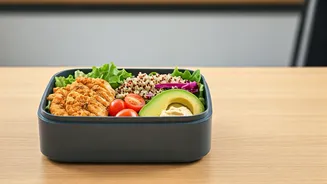
The feeling of drowsiness that hits around 3 p.m. is a common complaint among office workers. This 'afternoon slump' is often a direct result of a heavy, carbohydrate-rich lunch. [2] Foods that are high in sugar and processed carbs cause a sharp spike in blood sugar, followed by a crash that leaves you feeling tired and unfocused. [12] A planned lunch, rich in protein, complex carbohydrates, and vegetables, provides a steady release of energy throughout the afternoon. [11] Including foods like lentils, paneer, chicken, millets, and plenty of vegetables helps stabilize blood sugar levels, keeping you alert and productive. [1, 5] Staying hydrated by drinking water is also crucial in combating fatigue. [12]
Your Quick-Start Guide
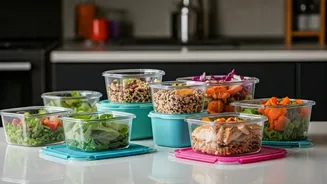
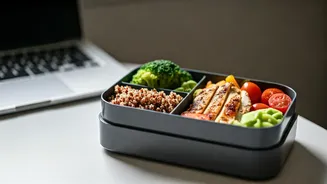
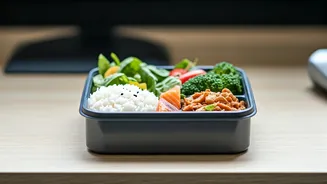
Meal prepping doesn't have to mean spending your entire Sunday in the kitchen. Start small. Begin by planning and preparing your lunch for just two or three days a week. You can cook a larger portion of your dinner—like dal, sabzi, or a chicken curry—and pack the leftovers for the next day. [1] Another easy method is 'component prepping'. On a Sunday, you can wash and chop vegetables, boil chickpeas or rajma, cook a batch of brown rice or quinoa, and grill some paneer or chicken. [3] With these components ready, assembling a fresh salad, wrap, or nourishing bowl in the morning takes only a few minutes. Using versatile bases like pulao or khichdi, which are quick one-pot meals, can also simplify your week. [1]
Easy and Inspiring Lunch Ideas
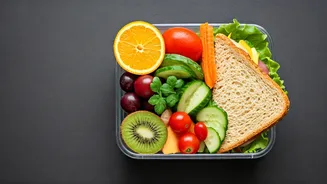
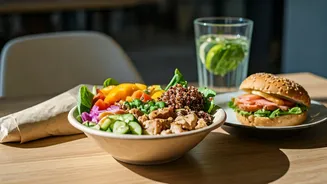
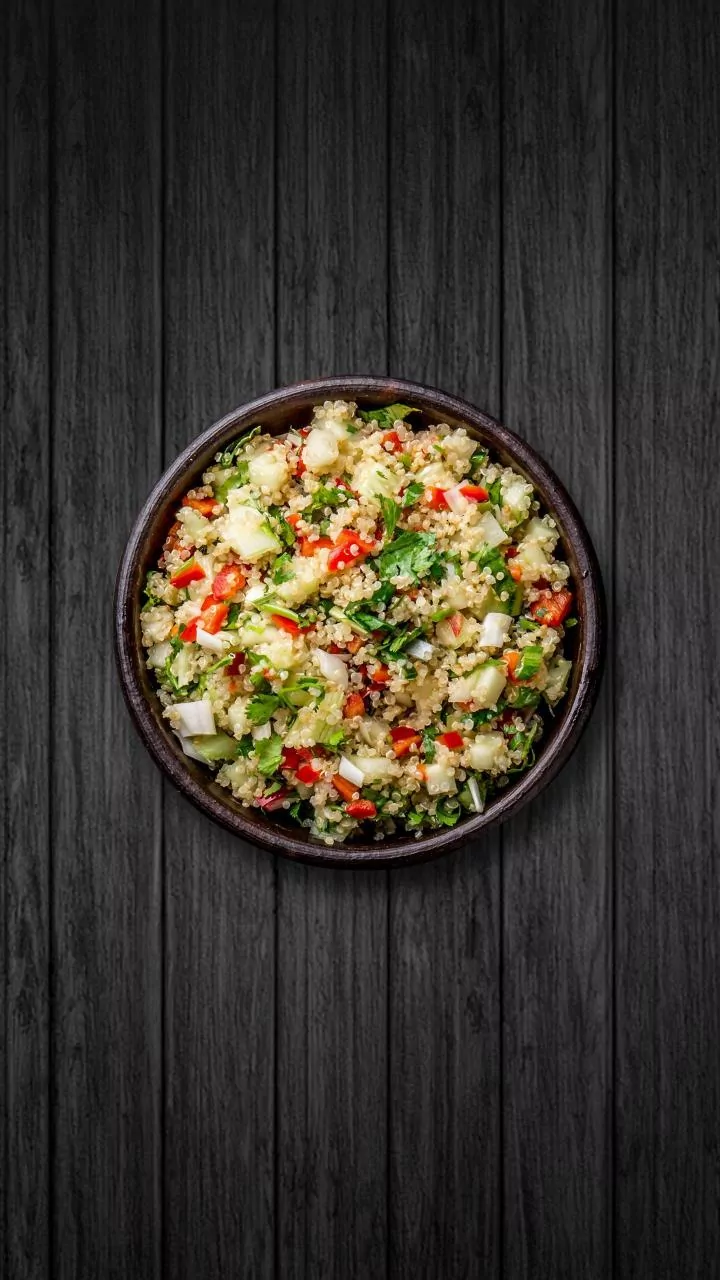
Getting into a routine with packed lunches is easier when the food is exciting. Think beyond basic sandwiches. A hearty black chickpea (kala chana) salad with chopped onions, tomatoes, and a lemon dressing is both easy and filling. [14] Millet curd rice offers a healthier, cooling alternative to the traditional version. [14] A paneer-stuffed besan chilla is a protein-packed option that can be made ahead. [1, 14] For a quick and satisfying meal, consider a vegetable pulao or using leftover chapati to make a roll with spiced potatoes or paneer bhurji. [1, 20] Even leftovers from the previous night's dinner, like rajma chawal, can make a comforting and wholesome office lunch. [1, 20]