




The Mighty Millet's Comeback
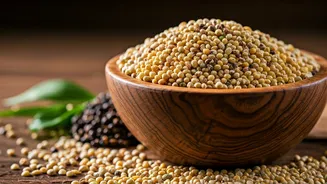
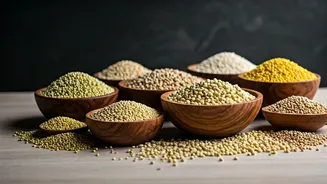
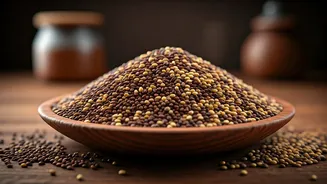
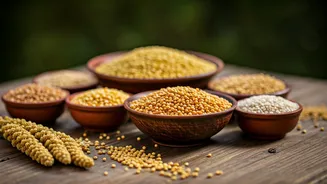
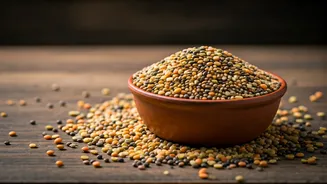
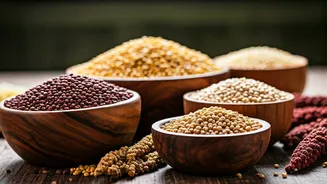
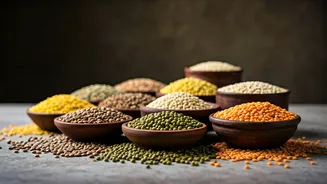
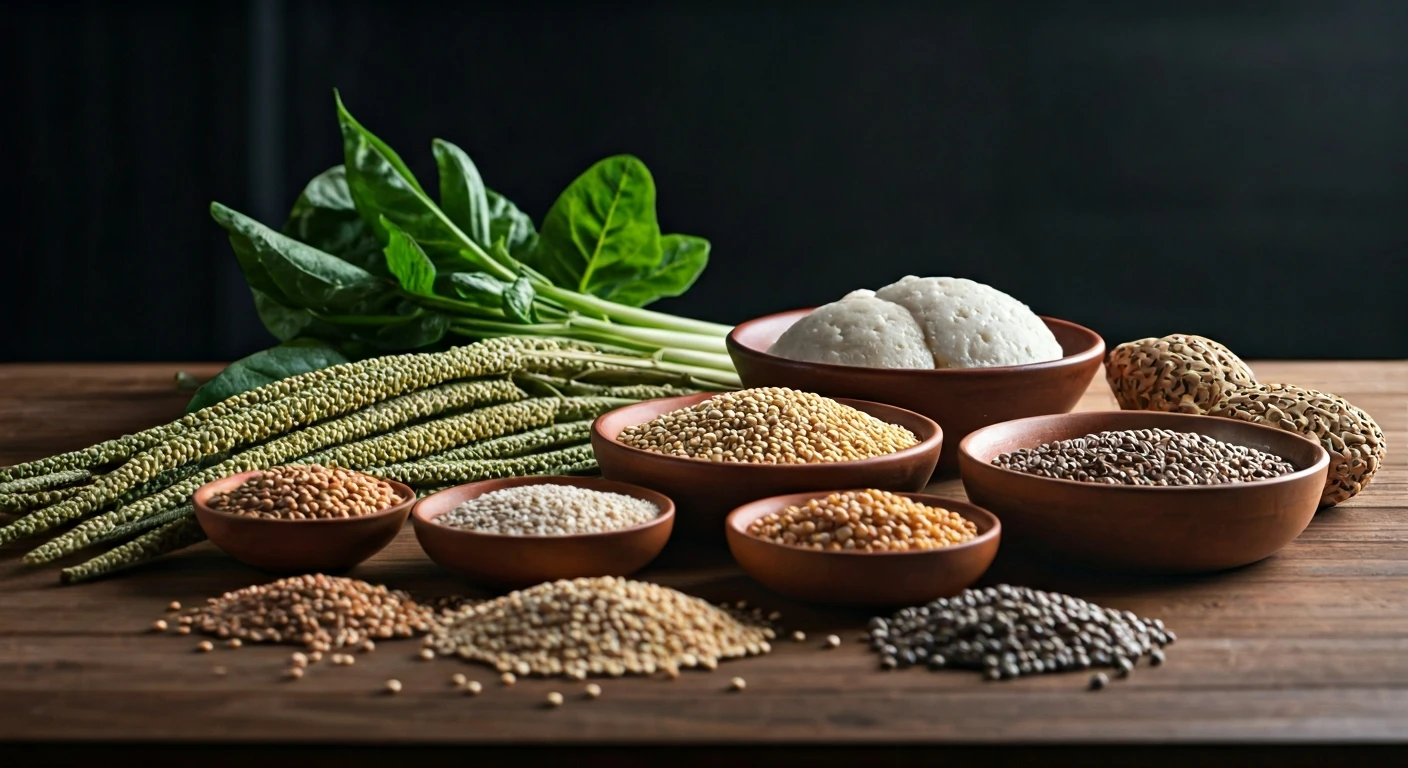
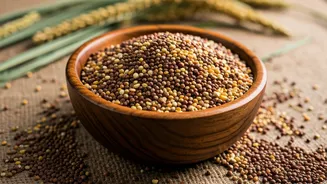
Not long ago, millets like ragi, jowar, and bajra were often seen as humble, rural grains. Today, they are celebrated as superfoods, and for good reason. These ancient grains are making a major comeback on urban dining tables, in trendy cafes, and on supermarket
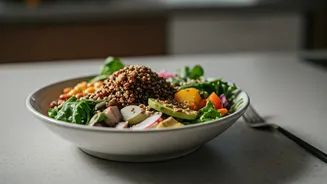
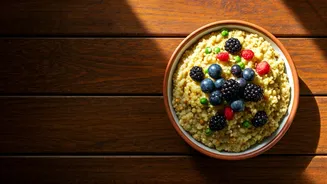
shelves. Naturally gluten-free, millets are a fantastic source of protein, essential minerals like magnesium and iron, and, importantly, fibre. [2, 4] Their low glycemic index helps in controlling blood sugar levels, making them an excellent choice for individuals with diabetes or those looking to manage their weight. [7, 4] The revival, partly thanks to initiatives like the UN's 'International Year of Millets', has encouraged a wave of innovation. [27] We're now seeing millets in everything from breakfast porridges and dosa batters to pasta and baked goods, proving that healthy eating can be both delicious and deeply rooted in Indian tradition. [25, 31]
Fibre: The Gut's Best Friend
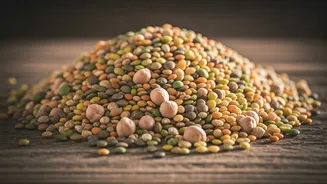
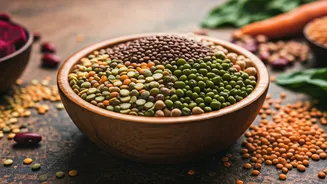
For years, 'fibre' was simply known as 'roughage', something needed for regular bowel movements. But our understanding has grown, and we now recognise dietary fibre as a critical component for overall health. The typical Indian diet is naturally rich in fibre, thanks to its foundation of lentils (dals), legumes (like rajma and chana), vegetables, and whole grains. [8, 16] Fibre is broadly categorised into soluble and insoluble types, and we need both. Insoluble fibre adds bulk and helps prevent constipation, while soluble fibre can help lower cholesterol and stabilise blood glucose levels. [29, 35] Beyond digestion, a high-fibre diet nourishes our gut microbiome—the trillions of beneficial bacteria living in our digestive tract. [30, 5] These microbes feed on fibre and produce short-chain fatty acids, which have anti-inflammatory properties and support a strong immune system. [30, 21]
The Culture of Fermentation
Fermented foods are a cornerstone of Indian cuisine, a tradition that has supported gut health for centuries. From the everyday bowl of dahi (curd) and refreshing chaas (buttermilk) to the steamed idlis and crispy dosas of the south, fermentation is a culinary technique woven into our daily lives. [3, 9, 32] The process does more than just preserve food; it transforms it. Fermentation breaks down complex compounds, making nutrients easier for our bodies to absorb. [12, 15] It also enriches the food with probiotics—live, beneficial bacteria that help maintain a healthy balance in our gut. [24] This ancient practice is seeing a modern resurgence as wellness-conscious consumers seek out natural ways to boost their immunity and digestive health. [14] Beyond the traditional favourites, globally inspired ferments like kombucha and kefir are also finding a place in the modern Indian pantry, adding new flavours and further diversifying our probiotic intake. [25]
A Return to Mindful Eating
This shift towards millets, fibre, and ferments isn't just about nutritional statistics; it's about a broader movement towards mindful and sustainable eating. It represents a connection to our agricultural roots and a celebration of regional culinary diversity. [5] By choosing these foods, we are not only nourishing our bodies but also supporting agricultural practices that are often more resilient and climate-friendly than the cultivation of mass-produced grains. This smarter pantry is less about chasing foreign superfood trends and more about appreciating the incredible, time-tested ingredients available in our own backyards. It's a holistic approach to wellness that understands that what we eat affects not just our personal health, but the health of our communities and our planet.