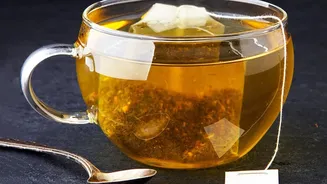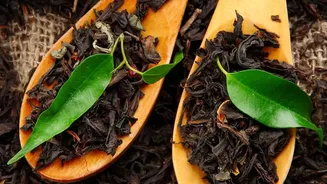







There’s nothing quite like a comforting cup of black tea, but few things are more disappointing than a brew that turns out harsh and bitter. The culprit is often a simple mistake: leaving the tea to steep for too long.
The Science of a Bitter Brew
When your tea tastes unpleasantly
sharp or leaves a dry feeling in your mouth, you're experiencing the effects of tannins. Tannins are natural plant compounds called polyphenols, found in tea leaves as well as in coffee, red wine, and chocolate. They are not inherently bad; in fact, they contribute to the structure, colour, and body of your tea. However, when too many are extracted from the tea leaves, they can dominate the flavour profile, leading to bitterness and a puckering sensation known as astringency.
Time and Temperature: The Two Key Factors
Brewing tea is all about extraction, the process where hot water dissolves compounds from the leaf. The pleasant, aromatic notes are often the first to be released. Tannins tend to extract more slowly, meaning the longer you steep your tea, the more tannins end up in your cup. Water temperature plays an equally crucial role. Hotter water accelerates the extraction process, pulling out all compounds, including tannins, much faster. This is why black tea, which is brewed with very hot water, can quickly go from rich to harsh if left unattended.
The Perfect Steep for Black Tea
For most black teas, the ideal steeping time is between 3 to 5 minutes using water that is near boiling, typically between 93°C and 100°C. A three-minute steep will generally yield a lighter, brighter cup, while a five-minute steep produces a stronger, maltier brew that stands up well to milk. Going beyond five minutes is where you risk extracting an excess of tannins, resulting in bitterness. It's helpful to use a timer to stay within this window. If you find your tea is too weak, it's better to add more tea leaves rather than steeping for longer, as more time primarily adds bitterness, not flavour depth.
A Simple Guide to a Better Cup
Ready to put this knowledge into practice? Start with fresh, cold water brought to a rolling boil. Use about one teaspoon (2-3 grams) of loose-leaf black tea per 240 ml of water. Pour the hot water over the leaves and start your timer. Begin with a 3-minute steep. Once the time is up, promptly remove the tea leaves or tea bag to stop the extraction process. Taste the tea. If you’d prefer a stronger flavour next time, you can increase the steep time to 4 or 5 minutes. For tea bags, which contain smaller leaf particles that infuse quickly, a 2-3 minute steep is often sufficient.
Are Tannins Bad for You?
For most people, tannins are a harmless part of a balanced diet and even possess antioxidant properties. However, they can sometimes cause mild nausea if you drink very strong tea on an empty stomach. They may also slightly inhibit the body's ability to absorb iron from plant-based foods, a consideration for those with iron deficiency. If you're sensitive, you can try drinking tea with food or adding a splash of milk, as the proteins in milk bind to tannins and soften their astringent effect.
What About Other Types of Tea?
It's important to remember that not all teas are created equal. Delicate green and white teas have a much narrower margin for error. They require cooler water—typically around 71°C to 85°C—and a much shorter steeping time of just 1 to 3 minutes to avoid scorching the leaves and releasing bitter-tasting catechins, a type of tannin prevalent in green tea. Herbal infusions, which don't contain any actual tea leaves, are the exception as they have no tannins and can be steeped for 5 minutes or more without becoming bitter.