


Foundation First: Pots, Soil, and Sun
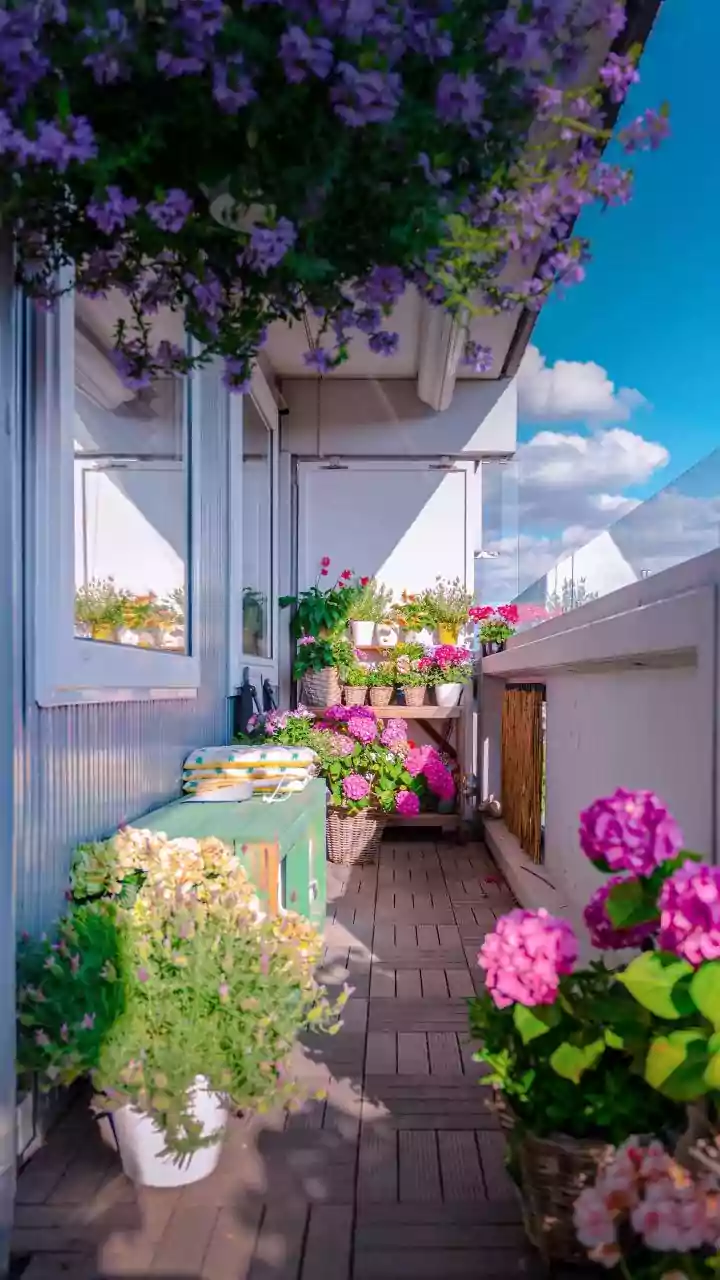
Before diving into specific herbs, let's set the stage for success. The key to balcony gardening is making the most of your limited space. First, choose your containers wisely. Every pot, no matter the material, must have drainage holes at the bottom.
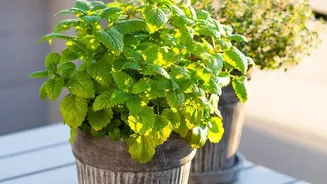
Without them, water will pool and cause root rot. For herbs like basil and mint, a pot that's about 10-12 inches wide is a great start. Lemongrass will eventually need something larger, like a 5-gallon pot. Fill them with a high-quality, well-draining potting mix, not heavy garden soil which compacts easily. Look for mixes containing ingredients like perlite or sand that improve drainage. Finally, observe your balcony's sunlight. Most herbs, including these three, are sun-worshippers and need at least six hours of direct sunlight per day to thrive. A south-facing balcony is ideal, but you can still have success with less light.
Basil: For Bushy, Abundant Leaves
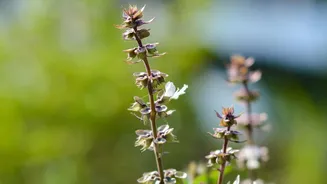
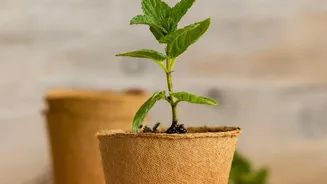
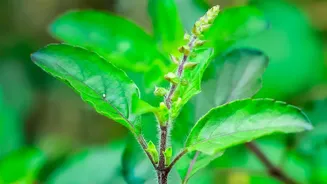
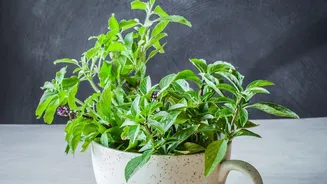
Basil is a summer favourite, but it often grows tall and spindly if left to its own devices. The hack for a bushy plant is all in the pruning. Once your plant has several sets of leaves, don't just pick individual leaves from the bottom. Instead, snip the top of the main stem, just above a pair of side leaves. This encourages the plant to branch out, creating two new stems where there was once one. Repeating this process regularly will create a full, rounded plant with a continuous supply of tender leaves. Another simple trick is to water the soil directly at the base of the plant in the morning. This allows the foliage to stay dry, helping to prevent common fungal diseases that can plague basil plants in humid conditions.
Mint: The Deliciously Aggressive Herb
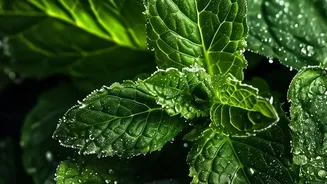
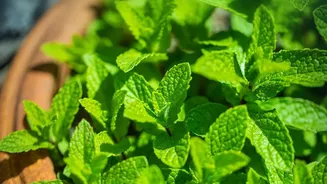
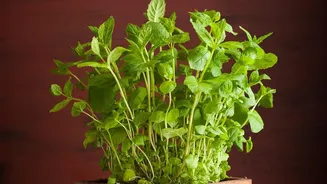
Anyone who has grown mint knows its secret: it wants to take over the world. The single most important hack for growing mint is containment. Never plant it in a shared container with other herbs; its vigorous roots will quickly spread and choke out its neighbours. Always give mint its own dedicated pot. Even then, its roots can escape through the drainage holes. A clever trick is to place the pot on a saucer or a paver stone, which makes it easy to spot and snip any escaping roots. Mint is also a thirsty plant, preferring soil that is consistently moist but not waterlogged. Frequent harvesting is another way to keep it in check. Don't be shy about cutting stems often; this promotes fresh, tender growth and keeps the plant from getting too leggy.
Lemongrass: A Slice of the Tropics
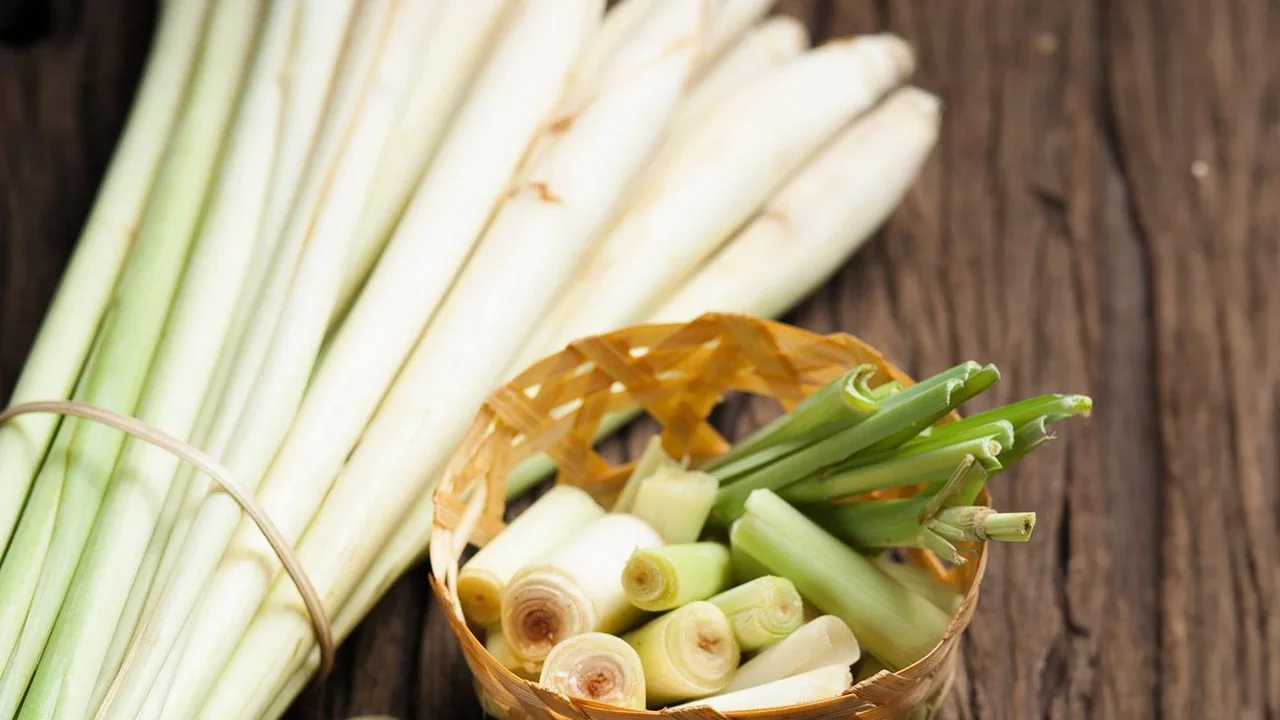
Lemongrass adds a wonderful, citrusy aroma to any balcony. A fantastic hack to get started is to propagate a new plant from a fresh stalk purchased at the grocery store. Look for a stalk with its base intact. Simply place the bottom few inches in a glass of water on a sunny windowsill. Change the water every couple of days, and within a few weeks, you should see roots begin to form. Once the roots are a few inches long, you can plant it in a deep pot with good potting mix. Lemongrass is a heavy feeder, so you can top up the soil with some compost every few weeks during its growing season. As a tropical plant, it loves heat, so a black nursery pot can be a good choice to help the soil retain warmth. If you live in a region with cold winters, you can bring the pot indoors to a sunny spot to keep it alive until the following spring.