




What Exactly Is Shoulder Season?
Shoulder season is the travel industry's term for the period between a destination's peak and off-peak seasons. Think of it as the sweet spot just before or after the main tourist rush. For many destinations in the Northern Hemisphere, this typically
means spring (March-April) and autumn (September-October). It’s not the chaotic high season with its long queues and inflated prices, nor is it the quiet off-season when some attractions might be closed. It's the 'just right' period when a destination has breathed a sigh of relief from the holiday frenzy but is still fully open for business. The exact timing varies for every location depending on its climate and main attractions, so a little research is key.
The Primary Appeal: Significant Cost Savings
For budget-conscious Indian travellers, the number one reason to embrace the shoulder season is the financial benefit. Flights and hotels can be significantly cheaper compared to peak travel months, which for many international destinations align with Indian school holidays. Analysis has shown that flight and hotel prices can drop by 20-40% once the peak season demand softens. One report even cited that international airfares can fall by as much as 33% and hotel rates by 10%. This means a European dream trip or a Southeast Asian escape becomes much more attainable. These savings can either reduce the overall trip cost or be used to upgrade experiences, like staying in a nicer hotel or adding more activities to the itinerary.
Beyond the Budget: A Better Travel Experience
While the savings are a major draw, the benefits of shoulder season travel go far beyond the bank account. One of the most frequently cited advantages is the lack of overwhelming crowds. Imagine exploring Rome’s Colosseum or strolling through the streets of Hoi An without having to navigate a sea of selfie sticks. This allows for a more relaxed, unhurried pace and a more authentic connection with the local culture. The weather is often another plus. Instead of the scorching summer heat in Europe or the heavy monsoon rains in parts of Asia, shoulder seasons typically offer milder, more pleasant conditions perfect for sightseeing. It’s also a time for unique seasonal experiences, like autumn foliage in Japan or grape harvest festivals in Italy, that you would miss in peak summer.
Prime Destinations and Their Sweet Spots
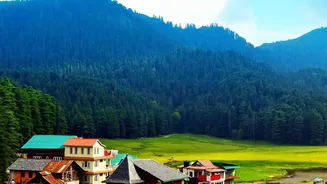
Many destinations popular with Indian tourists have fantastic shoulder seasons. For Europe, the months of April-May and September-October are ideal, offering pleasant weather for sightseeing before the summer rush or after it has subsided. In Southeast Asia, the pattern varies. For Thailand and Vietnam, shoulder months can be March-May and September-November, falling before the peak winter season or after the heaviest rains. For Bali, the sweet spots are often April-June and September, just outside the main dry season rush. Even domestic travel within India benefits from this approach. Goa's shoulder season between June and October offers a greener landscape and lower prices. Similarly, hill stations like Munnar or destinations in Himachal Pradesh can be more serene just before or after the main tourist influx.
A Few Things to Keep in Mind
While shoulder season travel is a fantastic strategy, it requires a bit of flexibility and planning. The weather can be less predictable than in peak season, so packing layers is always a wise move. While most attractions remain open, it’s a good idea to double-check the operating hours for specific tours or smaller establishments, as they might have slightly reduced schedules. Furthermore, the secret is getting out, and in some popular spots, the shoulder season is becoming more popular, so booking a few weeks in advance is still recommended to secure the best deals. The key is to research your specific destination to pinpoint its unique shoulder period.