






Artemis: Humanity's Return to the Moon
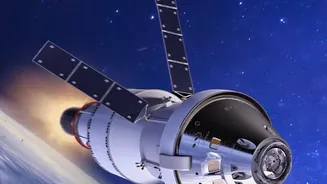
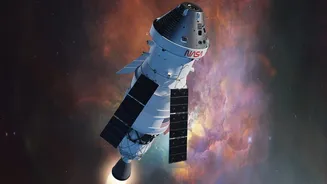
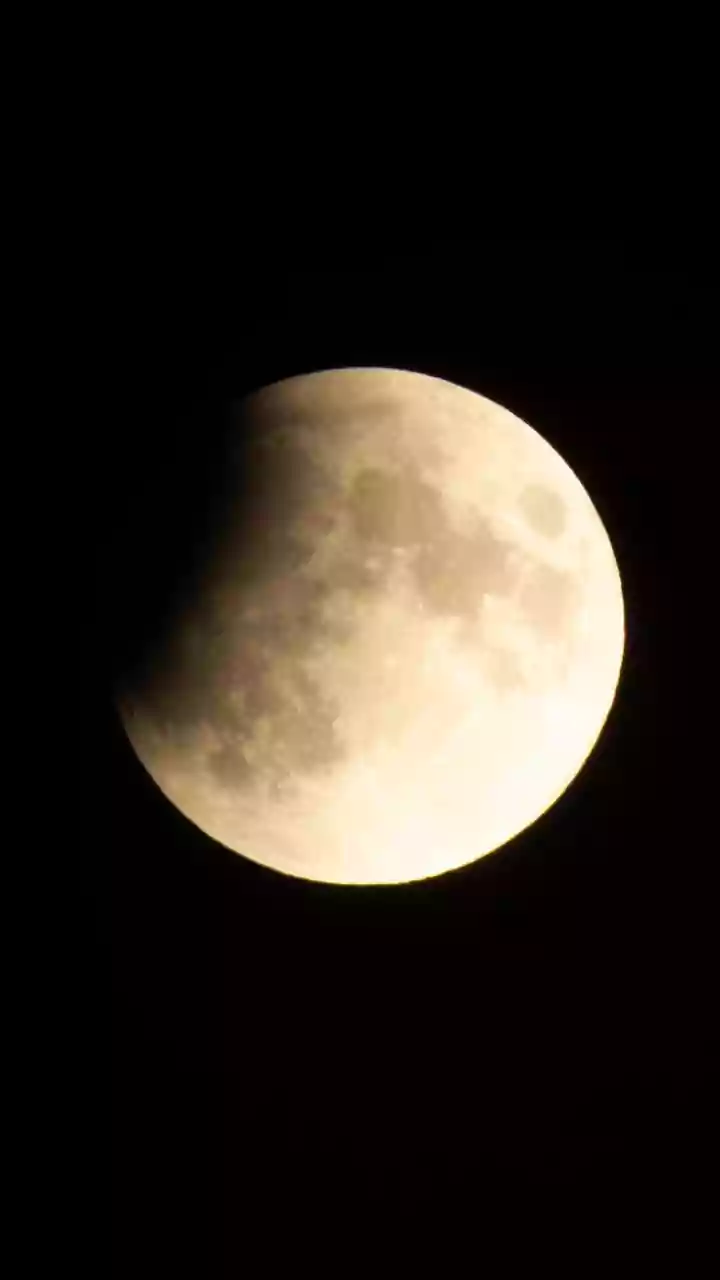
The Artemis program is NASA's monumental effort to establish a long-term human presence on the Moon. More than just a repeat of the Apollo era, Artemis is about building a sustainable lunar base and a gateway for future missions to Mars. The program is a series
of increasingly complex missions. Following the successful uncrewed Artemis I test flight in 2022 and the crewed lunar flyby of Artemis II in April 2026, all eyes are on the next steps. Artemis III, planned for 2027, will test the critical docking capabilities in Earth orbit with commercial landing systems from SpaceX and Blue Origin. The main event, Artemis IV, is targeted for 2028 and will mark the first human lunar landing in over 50 years. These missions are not just about planting flags; they are about scouting for resources, testing new technologies, and creating a blueprint for an interplanetary economy.
Europa Clipper: Searching for Life's Ingredients
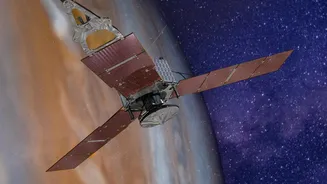
One of the most tantalizing questions in science is whether we are alone in the universe. NASA's Europa Clipper mission is designed to tackle this question head-on. Launched in October 2024, the spacecraft is on a long journey to Jupiter's icy moon, Europa. Scientists believe a vast, salty ocean, potentially containing twice the water of all of Earth's oceans combined, exists beneath Europa's frozen crust. Arriving at Jupiter in 2030, Europa Clipper will perform dozens of close flybys of the moon, some just 25 kilometers from the surface, to investigate its habitability. Using a suite of powerful instruments, it will confirm the ocean's existence, measure the thickness of the ice shell, and scan for organic molecules and potential energy sources that could support life. While not a life-detection mission itself, its findings could pinpoint the most promising places to look for life in a future mission.
Nancy Grace Roman Space Telescope: A New Eye on the Cosmos
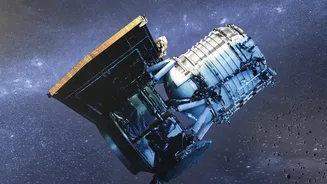
Set to launch as early as August 30, 2026, the Nancy Grace Roman Space Telescope is NASA's next great observatory. While the James Webb Space Telescope provides incredibly detailed close-ups, Roman is built for the big picture. Its field of view is 100 times larger than Hubble's, allowing it to map vast swathes of the sky with the same stunning resolution. This powerful capability will be turned toward solving two of the biggest mysteries in cosmology: dark energy and dark matter. By surveying hundreds of millions of galaxies, Roman will help astronomers understand the invisible forces shaping our universe. It will also be a prolific exoplanet hunter, expected to discover thousands of new worlds. The telescope is named for Nancy Grace Roman, NASA's first chief of astronomy, who was instrumental in making the Hubble Space Telescope a reality.
Dragonfly: A Nuclear-Powered Drone on an Alien Moon
Perhaps one of the most futuristic missions on NASA's slate is Dragonfly, a robotic rotorcraft destined for Saturn's largest moon, Titan. Launching in 2027 for a 2034 arrival, Dragonfly is a car-sized drone designed to fly through Titan's thick, nitrogen-rich atmosphere. Titan is an incredibly unique world, with a weather system of liquid methane that forms rivers, lakes, and seas. Dragonfly will be the first vehicle to fly its entire science payload to multiple locations on another world. Over its multi-year mission, it will hop between dozens of promising sites, including organic sand dunes and the floor of an impact crater where liquid water and complex organic materials may have mixed in the past. By studying the prebiotic chemistry on Titan, Dragonfly will offer unprecedented insights into the building blocks of life and how it might arise elsewhere in the cosmos.
VIPER: Prospecting for Water on the Moon
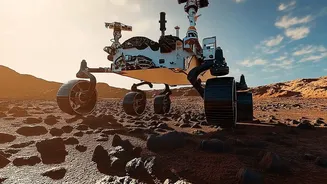
Crucial to the success of the Artemis program is the ability to use local resources, and the most important resource is water. The Volatiles Investigating Polar Exploration Rover, or VIPER, is a golf-cart-sized robot designed to hunt for water ice at the Moon's south pole. After the mission was cancelled in 2024, NASA revived it, awarding a contract to Blue Origin for a late 2027 delivery to the lunar surface. VIPER will be the first rover to feature headlights, allowing it to venture into permanently shadowed craters where temperatures are among the coldest in the solar system and where water ice is expected to be found in abundance. During its 100-day mission, the rover will map the distribution and concentration of this ice, effectively creating the first resource map of another world. This data is essential for planning future human habitats and producing rocket fuel on the Moon.