






Create a Strict Festive Budget
The first and most crucial step is to establish a budget. Before you even look at the deals, determine the total amount you can comfortably afford to spend across all festive categories: gifts, clothing, decorations, and celebrations. Assess your income
and existing financial obligations to arrive at a realistic figure. Having a set number prevents spending from spiraling out of control, which often happens not from one large purchase but many small ones that add up. Writing this budget down makes it a non-negotiable guide rather than a vague idea.
Make a Detailed Shopping List
Impulse buys are the biggest enemy of any budget. To counter this, create a detailed list of everything you need to buy before you start shopping. List each person you are buying a gift for and what you intend to get them. A clear plan helps you resist the temptation of 'limited-time offers' and flashy deals designed to encourage impulse spending. When you have a list, you can focus on finding the best prices for items you actually need, rather than being swayed by marketing tricks.
Prioritise Needs Over Wants
Festive sales often create a sense of urgency, making us feel we need everything on display. It's important to distinguish between essential and non-essential purchases. Prioritise what truly matters to your celebration. For some, it might be new outfits, while for others, it’s about gifts or food. By focusing on your priorities, you can allocate your budget to the things that bring the most joy and cut back on less important items. Before making a purchase, ask yourself if you genuinely need it or if you're just caught up in the festive rush.
Use Debit Cards, UPI, or Cash
The convenience of credit cards makes it easy to lose track of spending. To maintain control, consider using debit cards, UPI, or cash for your festive purchases. When you use these methods, the money leaves your account immediately. This creates a psychological friction that makes you more aware of your spending. Paying with cash you've withdrawn according to your budget is a sure-shot way to know when you’ve hit your limit. This simple change can help curb overspending significantly.
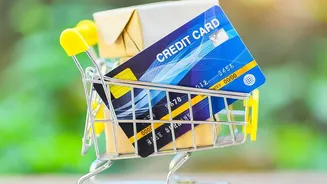
Be Wary of Credit Card Offers
While credit cards offer rewards, cashback, and no-cost EMI options, they are designed to reduce the friction of spending. It’s crucial to use them strategically. Before swiping, understand the terms. Credit card interest rates can be steep, often compounding to an annualised charge of over 40%. If you opt for an EMI, choose the shortest possible tenure to minimise interest costs. Always aim to pay your credit card bills in full each month to avoid falling into a debt trap. Also, be cautious about opening multiple new store credit cards just for a one-time discount, as this can negatively impact your credit score.
Compare Prices and Shop Early
A discount sticker doesn't always guarantee the best deal. Always compare prices across different platforms and physical stores before making a purchase. Many retailers increase prices just before a major festival, so starting your shopping early can help you find better prices and avoid last-minute panic buying. Use price comparison websites and look for flash sales or lightning deals on e-commerce platforms to maximise your savings. Shopping in advance also gives you a better selection and reduces the risk of items being out of stock.
Track Your Spending in Real Time
It's easy to lose sight of how much you've spent amidst the festive excitement. Use your bank's mobile app or SMS alerts to keep a running tally of your purchases. Monitoring your spending helps you see when you're approaching your budget limits, allowing you to make adjustments before you overspend. This habit also helps in quickly identifying any unrecognised or fraudulent transactions, which is especially important during busy shopping seasons.