



The Kaas Plateau Flower Route
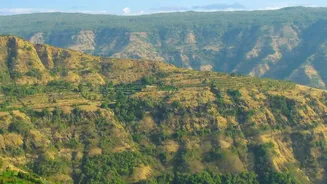
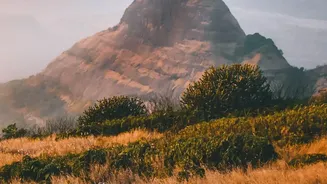
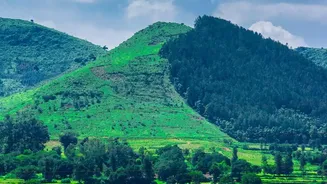
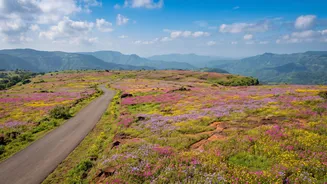
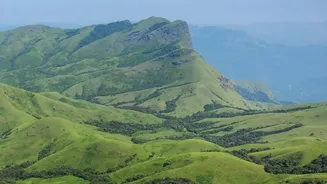
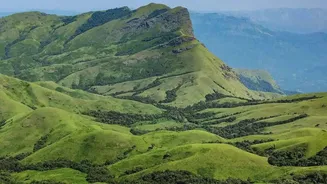
Often called Maharashtra's Valley of Flowers, the Kaas Plateau is a UNESCO World Natural Heritage Site that transforms into a carpet of wildflowers post-monsoon. The flowering season typically begins in late August and peaks in September, making it a primary
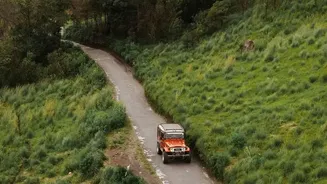
attraction for any Satara trip. For 2026, the main bloom is anticipated to be most prominent after September 15th. The route from Satara city is a scenic 25-kilometre drive into the Sahyadri hills. Due to its ecological sensitivity, visitor entry is regulated, so booking your slot online in advance is highly recommended, especially for weekends. Once there, designated pathways allow you to walk amidst hundreds of species of flowers, including rare orchids and insectivorous plants, without disturbing the fragile ecosystem.
The Thoseghar Waterfall Circuit
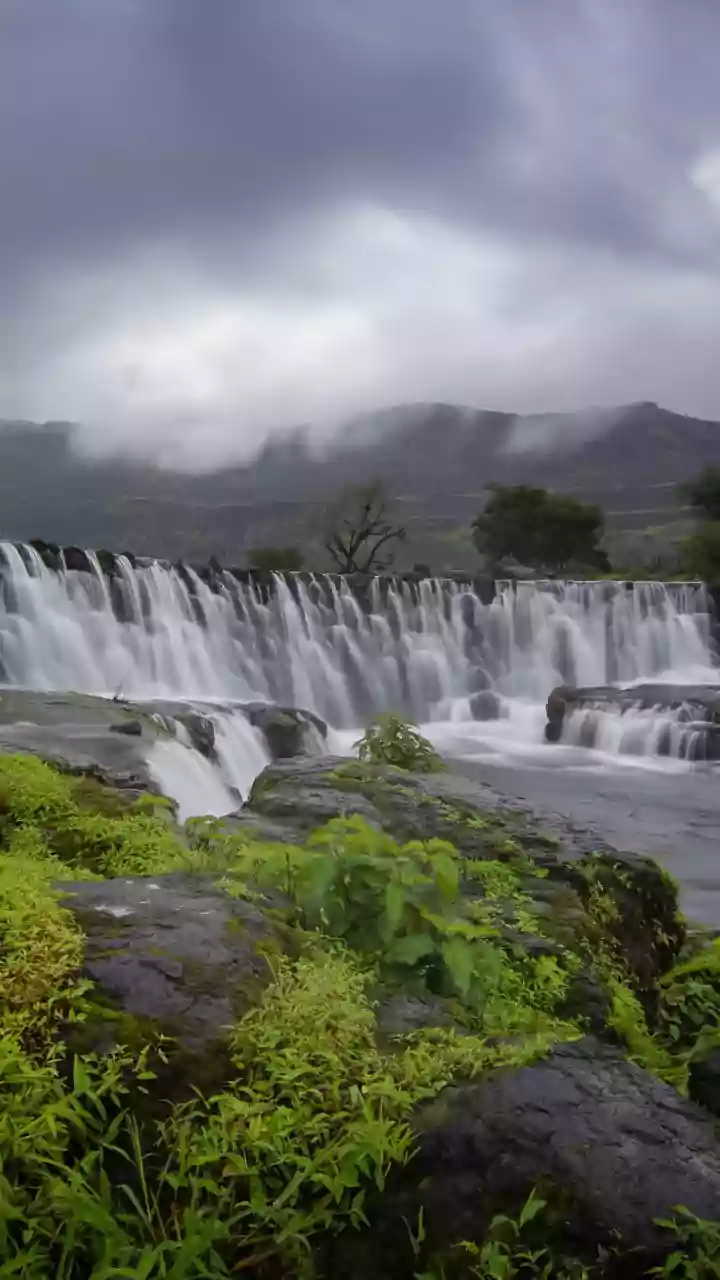
For those who love the thunderous sound of cascading water, the route to Thoseghar is a must-do. Located about 20-26 km from Satara, these waterfalls are at their most powerful during and immediately after the monsoon. The area features a series of falls, with some dropping from as high as 200 meters. Unlike other waterfalls, swimming is not the main activity here; instead, well-maintained viewing platforms provide a safe and spectacular vantage point to witness the raw power of nature. The journey itself is rewarding, with winding roads cutting through dense greenery. You can easily combine this trip with a visit to the nearby Chalkewadi Windmill Farms, where hundreds of turbines stand atop a breezy plateau, offering a completely different but equally mesmerizing landscape.
The Lakeside Drive to Bamnoli and Tapola
If serene lakes and quiet countryside are more your style, head towards Bamnoli and Tapola. Bamnoli, a small village on the shores of the vast Shivsagar Lake, is the starting point for various boat trips. The drive from Kaas to Bamnoli descends through a dense, moss-covered forest before opening up to stunning lake views. From Bamnoli, you can hire a boat to Tapola, a rustic hamlet often referred to as the 'Mini Kashmir' of Maharashtra. This 90-km long lake is actually the backwaters of the Koyna Dam. The boat ride offers incredible views of the surrounding Sahyadri hills on one side and windmills on the other. The entire stretch is a paradise for photographers and those seeking a peaceful escape from the city.
Historical Forts with Panoramic Views
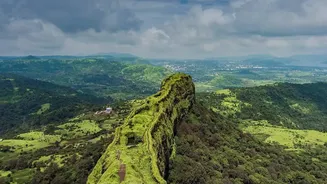
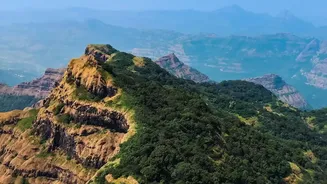
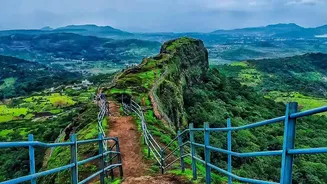
No trip to Satara is complete without exploring its historic forts, which offer both a lesson in Maratha history and breathtaking panoramic views. Ajinkyatara Fort, which looms over Satara city, is easily accessible and provides a stunning bird's-eye view of the entire town. A short drive away is Sajjangad Fort, a place of spiritual significance as the final resting place of Saint Ramdas Swami. The walk up to the fort is refreshing, and the views of the surrounding valleys, especially in the post-monsoon green, are spectacular. These forts are not just historical monuments; they are vantage points that put the beauty of the entire region into perspective, making them a perfect addition to any road trip itinerary.
Tips for Your Post-Monsoon Journey
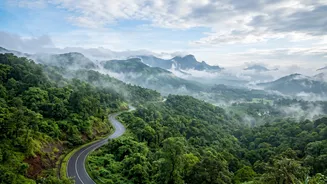
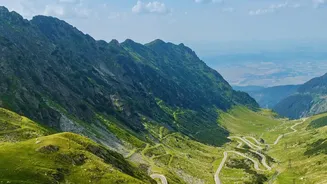
While the post-monsoon scenery is beautiful, the roads in the ghat sections can be challenging. Always check the weather forecast before you leave. Heavy rains can sometimes lead to landslides or foggy conditions, so drive cautiously. Roads are generally in good condition, but some remote stretches may have potholes after heavy rainfall. Start your day early to make the most of the daylight and avoid the weekend crowds, especially at popular spots like Kaas Plateau. Carry snacks and water, as amenities can be sparse once you leave the main town. Finally, remember that these are ecologically sensitive areas. Travel responsibly, do not litter, and respect the local guidelines to help preserve the natural beauty of the Western Ghats.