







Why Home Cooking Wins
Choosing to cook at home is about more than just avoiding the alternative; it’s an investment in your well-being. When you prepare your own meals, you have complete control over the ingredients. This typically means less sodium, sugar, and unhealthy fats
compared to many restaurant or processed foods. Studies have shown that people who cook more frequently tend to have healthier diets and better health outcomes. Beyond nutrition, cooking at home is also significantly more cost-effective. Research indicates frequent home cooks can save a considerable amount on food bills each month compared to those who eat out regularly. The process itself can also be a form of mindfulness, a way to de-stress and connect with what you eat, offering a sense of accomplishment that a plastic wrapper never will.
Start Small, Stay Consistent
The biggest barrier to a new habit is often mental. We imagine elaborate, time-consuming meals and feel defeated before we even begin. The secret is to start small and aim for consistency, not culinary greatness. Forget trying to cook seven gourmet dinners a week. Start by committing to just one or two home-cooked meals. Maybe it’s a simple breakfast or a weekend lunch. Once that feels routine, you can gradually add more. The goal is to build a habit that feels automatic rather than a chore. Celebrate the small wins and forgive yourself when life gets in the way. A week with one home-cooked dinner is still better than a week with none.
Master the Art of Meal Prep
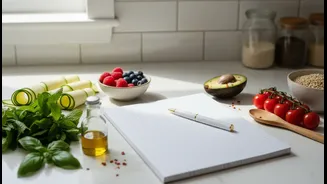
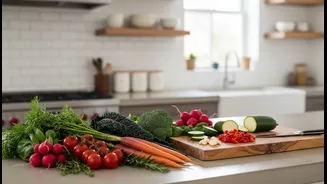
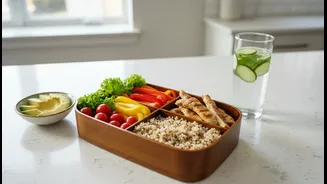
Meal planning is consistently cited as the single most effective strategy for making home cooking manageable. It doesn't have to mean spending your entire Sunday in the kitchen. Effective meal prep can take many forms. Batch cooking involves making large quantities of a single dish, like a stew, soup, or dal, and portioning it for the week. Ingredient prep is even simpler: use a spare 30 minutes to wash and chop vegetables, cook a batch of rice or quinoa, or grill some chicken. Having these components ready to go makes assembling a meal on a busy weeknight incredibly fast. Before you shop, take a quick inventory of your pantry and fridge to see what you can use up, then make a list for the recipes you've planned. This not only saves time but also reduces food waste and cuts down on impulse buys.
Build a 20-Minute Meal Arsenal
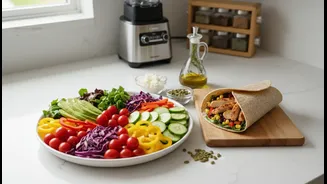
Not every meal needs an hour of your time. Having a mental list of go-to recipes you can make in 20 minutes or less is a lifesaver on busy nights. These aren’t complicated dishes. Think one-pan meals, simple pastas, or hearty salads. A well-stocked pantry is your best friend here. Canned beans or chickpeas, pasta, eggs, and frozen vegetables can be transformed into a satisfying meal in minutes. For example, a chickpea curry with spinach and rice can come together quickly and is packed with flavor. Tacos, grain bowls, and simple stir-fries are also excellent options where pre-prepped or quick-cooking ingredients shine.
Make Your Kitchen an Inviting Space
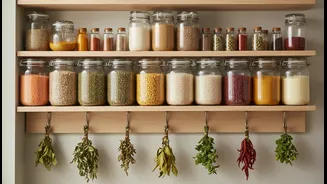
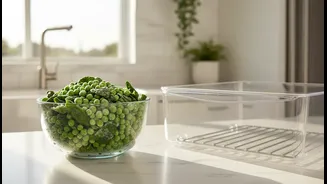
Your environment plays a huge role in your habits. If your kitchen is cluttered and disorganized, cooking will feel like a struggle. Take some time to create a space that feels efficient and pleasant to be in. You don't need expensive gadgets, but a few key tools can make a big difference: good containers for storing prepped ingredients, a sharp knife, and a few reliable pots and pans. Keep your most-used items easily accessible. Making sustainable choices, like using reusable containers and reducing plastic wrap, can also make your kitchen routine feel more mindful and organized. When your kitchen is a place you enjoy being, you're more likely to use it.