


Khonoma, Nagaland
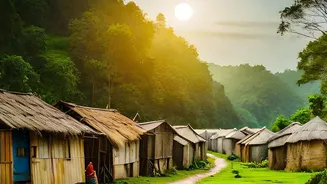
Known as India's first 'green village', Khonoma is a testament to community-led conservation. Located about 20 km from Kohima, this Angami Naga village is a mosaic of terraced paddy fields, traditional stone gateways, and dense forests. The community banned
logging and hunting, transforming the area into a vibrant sanctuary for flora and fauna, including the endangered Blyth's Tragopan. Mornings here are for slow walks along cultivated terraces, listening to birdsong, and learning about the village's rich warrior history and its journey towards sustainability. It offers a profound sense of peace rooted in a deep respect for nature.
Mawlynnong, Meghalaya
Often celebrated as 'Asia's Cleanest Village', Mawlynnong is a tiny hamlet in the East Khasi Hills that feels like stepping into a well-tended garden. The residents are deeply committed to cleanliness, with bamboo dustbins lining spotless lanes and a strict ban on plastic. This isn't just a picturesque place; it's a lesson in sustainable living. Beyond its tidy appearance, Mawlynnong, also called 'God's Own Garden', is surrounded by lush greenery and is famous for its living root bridges. The quiet rhythm of life, punctuated by the sweeping of courtyards and the rustle of leaves, makes it an ideal spot to unwind and breathe.
Ziro Valley, Arunachal Pradesh
A UNESCO World Heritage tentative site, Ziro Valley is a lush, flat expanse cradled by pine-clad hills. It is home to the Apatani tribe, known for their unique sustainable agriculture of cultivating rice and fish together. This destination isn't about a checklist of sights but about immersing yourself in the landscape. The appeal lies in its slow pace, misty mornings over paddy fields, and walks through traditional bamboo villages like Hong. Ziro rewards travellers who are willing to disconnect, enjoy the clean mountain air, and appreciate a culture that lives in deep harmony with its environment.
Nako, Himachal Pradesh
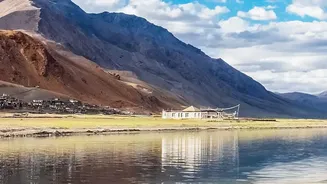
Perched at a high altitude of around 3,600 metres in Kinnaur, Nako is a tranquil village that serves as a gateway to the Spiti Valley. The landscape here is dramatically barren and rugged, offering a stark beauty. The heart of the village is the serene Nako Lake, often mirroring the surrounding peaks on still mornings. Life moves slowly, revolving around the ancient Nako Monastery, which dates back to the 11th century, and walks through narrow lanes of traditional mud-and-stone houses. It’s a perfect stop to acclimatise and experience the profound silence of the trans-Himalayas before venturing deeper into Spiti.
Kalap, Uttarakhand
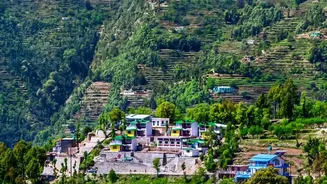
For a truly remote experience, Kalap in the upper Garhwal region is a world apart. Accessible only by a trek from the nearest roadhead, this village remains untouched by commercial tourism. Situated at about 7,800 feet, it overlooks the roaring Supin River and offers views of the Bandarpunch peak. Tourism here is community-led, with visitors staying in traditional homestays and experiencing an authentic Garhwali lifestyle. The journey itself is part of the charm, taking you through virgin forests and along trails used by nomadic herders. It’s an ideal destination for slow travel, offering a chance to connect with both nature and a resilient mountain culture.
Gavi, Kerala
Nestled deep within the Periyar Tiger Reserve, Gavi is a quiet eco-tourism village that offers an unfiltered experience of the Western Ghats. Managed by the Kerala Forest Development Corporation, visits are regulated to preserve its pristine environment. The journey to Gavi is an adventure through dense forests, tea plantations, and grasslands. Once there, the focus is on nature—trekking, wildlife watching, and boating on the serene Gavi Lake. You can spot wildlife like elephants, Nilgiri Tahr, and numerous bird species. With limited connectivity and accommodation, Gavi ensures a peaceful retreat for true nature lovers.
Munsiyari, Uttarakhand
Known as the 'Little Switzerland of India', Munsiyari is a small, quiet town in the Kumaon Himalayas. It serves as a base for serious treks to glaciers like Milam and Ralam, but the town itself is a destination for those seeking tranquility. Unlike more crowded hill stations, Munsiyari offers direct, breathtaking views of the five snow-capped Panchachuli peaks right from your window. Life is slow here, perfect for leisurely walks to viewpoints, exploring tribal heritage, and simply soaking in the majestic Himalayan panorama. The clean, crisp air and the sheer scale of the mountains provide a powerful sense of escape.
Diskit, Ladakh
As the main village in the vast and beautiful Nubra Valley, Diskit offers a unique blend of serene desert landscape and vibrant Buddhist culture. Situated on the banks of the Shyok River, the village is a cluster of apricot plantations and traditional Ladakhi homes. The main attraction is the ancient Diskit Monastery, perched dramatically on a hill, with its towering 32-metre statue of Maitreya Buddha overlooking the valley. The high-altitude desert environment provides unparalleled clean air and clear skies, making it perfect for stargazing. It’s a place to experience profound quietude amidst a landscape of epic proportions.