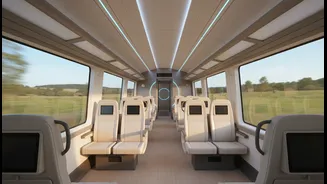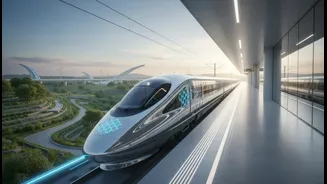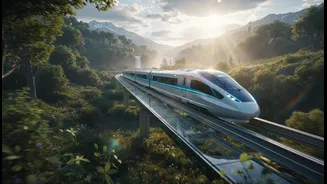






What Exactly is a Hydrogen Train?
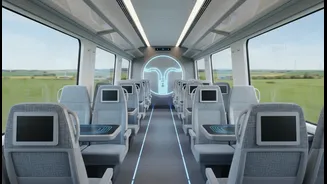
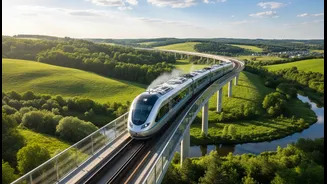
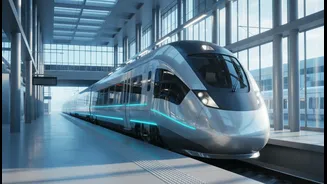
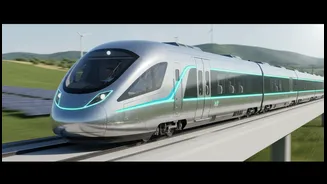
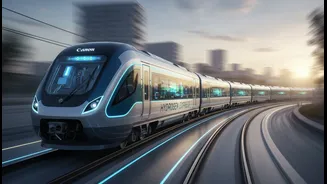
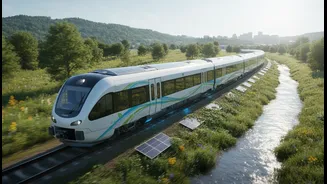
Imagine a train that glides quietly into the station, emitting only water vapour and heat instead of diesel fumes. That's the reality of a hydrogen train. Unlike traditional trains that burn diesel or draw power from overhead electric lines, these next-generation
locomotives create their own electricity on board. They use devices called fuel cells, which trigger a chemical reaction between hydrogen stored in tanks and oxygen from the air. This electrochemical process generates electricity to power the motors, with pure water being the only byproduct. Essentially, they are electric trains that carry their own clean power source, making them ideal for routes that are not yet electrified.
India's Pioneer on the Tracks
India's journey into this new era of rail transport is set to begin on the Jind-Sonipat route in Haryana. Prime Minister Narendra Modi is expected to inaugurate the country's first hydrogen train on July 17, 2026. This indigenously developed train, a 10-coach marvel, has been undergoing rigorous testing, recently hitting speeds of 120 km/h to ensure its safety and performance before it enters commercial service at an operational speed of 75 km/h. This initial service is more than just a pilot; it's a core part of the 'Hydrogen for Heritage' initiative, which aims to replace diesel-powered trains on scenic and environmentally sensitive routes, preserving their beauty while modernising travel.
From Policy Paper to Passenger Experience
For years, 'sustainability' and 'net-zero targets' have been concepts discussed in high-level policy meetings. For the average citizen, these ideas can feel distant and abstract. The hydrogen train is set to change that. When passengers board the quiet, smooth, and emission-free service between Jind and Sonipat, the benefits of green technology will become a tangible part of their daily lives. The absence of a roaring diesel engine and black smoke will be a powerful, sensory demonstration of what a cleaner future looks like. This train makes sustainability something you can see, hear, and experience, transforming a complex national goal into a personal reality for thousands of commuters. The journey will take about an hour, significantly faster than the current diesel service, and fares are expected to be highly affordable, making clean transport accessible to all.
More Than a Train, It's a Statement
The launch of the hydrogen train is a significant milestone in India's 'Make in India' and Green Transport missions. Built at an estimated cost of around Rs 89 crore, the train was designed by the Lucknow-based RDSO and manufactured at the Integral Coach Factory in Chennai. By developing this technology domestically, India joins a select group of nations exploring hydrogen rail. This project isn't just about reducing pollution; it’s about energy independence and long-term economic sense. While electrification remains a primary strategy, hydrogen provides a clean, viable alternative for the vast portions of India's rail network where laying electric lines is difficult or costly. It demonstrates a commitment to self-reliant, sustainable development that can be scaled across the country.
The Journey Ahead
Of course, rolling out a new technology nationwide is not without its challenges. The cost of producing 'green' hydrogen (made using renewable energy) needs to come down, and a robust infrastructure for production, storage, and refuelling needs to be built. The Jind-Sonipat corridor, for example, required a dedicated hydrogen refuelling facility to be established at Jind to support the train's operations. Safety is also paramount, with the train featuring 27 hydrogen cylinders, multiple leakage and fire detectors, and modern control systems that meet international standards. The success of this pilot project will be crucial, providing valuable data and experience for expanding the hydrogen fleet to other parts of the country, potentially revolutionising how India travels.