



The Hidden Chemical Reaction in Your Fridge
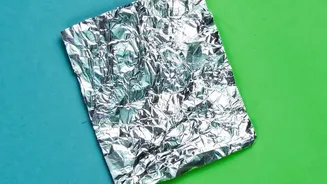
Aluminium foil is a convenient tool, but it has a reactive nature. When it comes into direct contact with highly acidic or salty foods, a chemical process begins. The acid can break down the foil, causing small, metallic particles to leach into your food.
This is why you might sometimes find tiny pinholes in foil that was covering a tomato-based dish or notice a faint metallic taste. The reaction is more pronounced with ingredients common in Indian cuisine, such as tomatoes, lemon juice, vinegar, and tamarind. Heat accelerates this process, which is why cooking acidic foods directly in foil is particularly discouraged.
Common Foods to Be Mindful Of
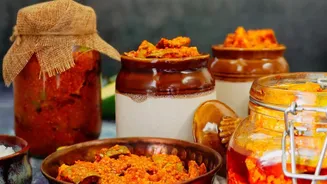
The list of acidic foods is longer than you might think and includes many staples of Indian cooking. Be cautious when storing dishes that are heavy on tomatoes, such as rogan josh or butter chicken gravies. Anything with a significant amount of lemon, lime, or vinegar, like marinades, pickles, or certain salad dressings, should also avoid direct contact with foil. Even some fruits like apples and citrus, along with salty or heavily spiced foods, can trigger this reaction over time. Essentially, if a dish is tangy, sour, or very salty, it’s best to create a barrier between it and the foil.
Is Leached Aluminium a Health Concern?
The human body is exposed to small amounts of aluminium daily through water and many foods, and healthy kidneys are efficient at filtering it out. Day-to-day exposure from cooking is generally considered safe. However, frequent or high levels of leaching can increase your overall dietary intake. While regulatory bodies have established safe weekly intake levels, some studies suggest that consistently exceeding these levels over a long period might pose health risks, particularly for individuals with kidney issues whose bodies cannot excrete the metal as efficiently. While the science on long-term effects is still developing, the consensus is to minimize unnecessary exposure where possible.
Smarter, Safer Storage Solutions
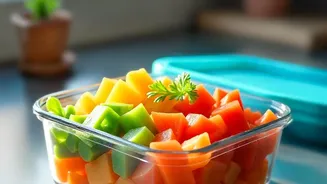
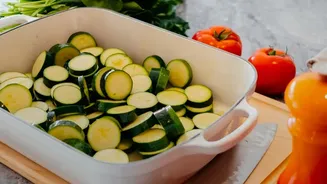
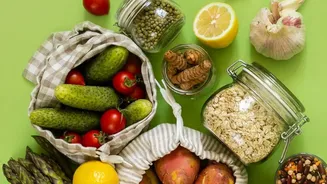
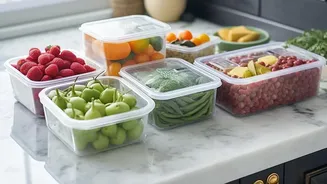
The good news is that protecting your food is simple and doesn't require giving up foil entirely. The best practice is to store acidic leftovers in airtight glass, ceramic, or stainless steel containers. These materials are non-reactive and will keep your food fresh without any risk of leaching. They are also reusable, making them a more sustainable choice in the long run. Mason jars are another excellent, versatile option for storing everything from prepped vegetables to leftover dals and chutneys.
When Using Foil Is Still Okay
This advice doesn't mean you need to banish aluminium foil from your kitchen. It remains a perfectly safe and effective option for wrapping non-acidic items. Think sandwiches, rotis, or covering a bowl of cool, non-acidic dessert. If you must use foil to cover an acidic dish in a bowl, ensure the foil doesn't touch the food's surface. For baking or roasting, a simple trick is to place a layer of parchment paper (or butter paper) between the acidic food and the foil. This creates a barrier, giving you the heat-conduction benefits of foil without the direct chemical contact.