


From Staple to Supercharged
For generations, protein in most Indian homes meant dal, rajma, or chana. These have been the backbone of vegetarian diets, providing essential nutrients reliably and affordably. Then came the first wave of 'substitutes,' primarily soya chunks and paneer,
which offered a chewier, heartier texture for curries and pulaos. While effective, the focus was narrow: finding a single stand-in for meat. Today, that thinking is being completely upended. The conversation is no longer about one substitute but about a vibrant palette of protein sources seamlessly woven into breakfast, lunch, and dinner. This shift marks a significant evolution in the modern Indian kitchen.
The New Drivers of Dietary Change
What’s fuelling this change? It's a combination of factors led by a younger, more informed consumer. Health consciousness is a major driver, with a clear shift from calorie-counting to a focus on nutritional quality. Urban Indians are increasingly aware of the benefits of a protein-rich diet for everything from fitness to overall well-being. Alongside health, there are growing concerns about environmental sustainability and animal welfare, encouraging even non-vegetarians to adopt a 'flexitarian' lifestyle. This conscious consumerism is creating fertile ground for innovation, with a market that is projected to grow significantly in the coming years.
An Explosion of Homegrown Innovation
Indian food-tech startups are at the forefront of this movement, creating products designed for the local palate. Instead of just plant-based burgers, they are developing vegan keema, jackfruit biryani, and plant-based chicken strips perfect for Indian curries. These companies are using a wider range of ingredients than ever before. While soy remains a key player, pea protein is the fastest-growing segment, and entrepreneurs are exploring everything from chickpeas and lentils to mung beans. Some startups are even using AI and advanced food science to create next-generation ingredients from India's diverse agricultural ecosystem, making the products tastier and more functional.
Variety Is the Spice of Life (and Protein)
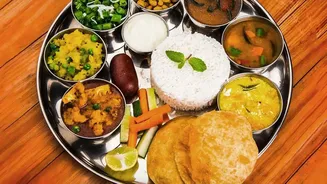
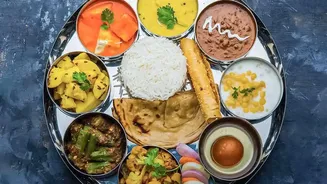
The true beauty of this new era is the emphasis on variety. It’s about adding and integrating, not just replacing. A modern, protein-aware day of eating might look completely different from a decade ago. It could start with a besan chilla or sprouted moong for breakfast. Lunch might be a millet roti served with a flavourful dal. An evening snack could be roasted makhana or a handful of peanuts. And dinner might feature a delicious tofu tikka masala or a curry made with plant-based keema. This approach celebrates the inherent protein diversity in traditional Indian food while embracing new and exciting formats, from seeds like hemp and flax to modern marvels like plant-based eggs.