





What Is Your Skin Barrier?
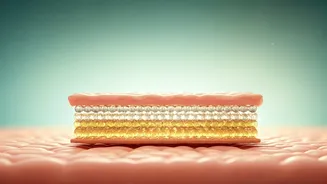
Imagine a brick wall. This is the simplest way to understand your skin barrier, also known scientifically as the stratum corneum. It’s the outermost layer of your skin. In this wall, your skin cells (corneocytes) are the 'bricks'. The 'mortar' holding
them together is a mix of lipids—fats like ceramides, cholesterol, and fatty acids. This tightly packed structure has two main jobs: to keep good things (like water) in, preventing dehydration, and to keep bad things (like pollutants, bacteria, and allergens) out. When this barrier is strong and healthy, your skin looks and feels smooth, hydrated, and calm. It’s your first and most important line of defence against the outside world.
Signs of a Damaged Barrier
How do you know if your 'brick wall' has a few cracks in it? Your skin will likely send you some clear signals. The most common signs of a compromised skin barrier include increased sensitivity, redness, and inflammation. Your skin might feel constantly dry, tight, or itchy, no matter how much moisturiser you apply. You may also experience flaky patches or a dull, lacklustre appearance. Ironically, a damaged barrier can also lead to more breakouts. When the barrier is weakened, it’s easier for acne-causing bacteria to penetrate the skin. If products that you once loved suddenly start to sting or cause irritation, it’s a major red flag that your barrier needs attention.
The Usual Suspects: What Causes Damage?
Our daily habits and environment play a huge role in our barrier’s health. One of the biggest culprits is over-exfoliation. Using harsh physical scrubs or potent chemical exfoliants (like AHAs and BHAs) too frequently can strip away the essential lipids that hold your barrier together. Similarly, using cleansers that are too harsh and leave your skin feeling 'squeaky clean' can also disrupt its natural pH and lipid balance. Other significant factors include unprotected sun exposure, which degrades skin components, and environmental stressors prevalent in Indian cities, such as pollution and extreme weather changes (from dry air-conditioning to high humidity). Even stress and lack of sleep can take a toll, proving that skin health is truly holistic.
How to Repair and Protect Your Barrier
If you suspect your barrier is damaged, don't panic. The solution is often to do less, not more. It’s time to simplify your routine and go back to basics. For a couple of weeks, pare your routine down to three essential steps: a gentle, hydrating cleanser that doesn't foam excessively; a nourishing moisturiser; and a broad-spectrum sunscreen with at least SPF 30 during the day. Pause all use of active ingredients like retinoids, vitamin C, and exfoliating acids until your skin feels calm and comfortable again. The goal is to create a soothing, healing environment where your skin can focus on rebuilding its 'brick and mortar' structure without any further irritation.
Key Ingredients for Barrier Support
When choosing products to support your barrier, look for specific ingredients on the label. Ceramides are the gold standard, as they are a natural component of your skin's lipid mortar and help replenish what’s been lost. Hyaluronic acid is a powerful humectant that draws water into the skin, keeping it hydrated and plump. Niacinamide (a form of Vitamin B3) is another superstar; it helps increase ceramide production, reduces inflammation, and improves overall skin texture. Finally, look for moisturisers with fatty acids and cholesterol, which complete the trio of lipids essential for a healthy barrier. Ingredients like squalane, shea butter, and glycerin are also excellent for providing hydration and locking in moisture.