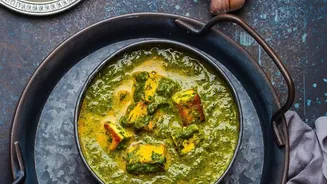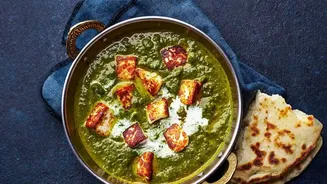


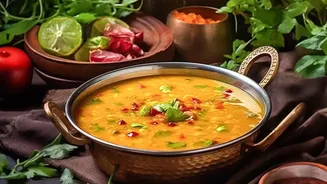
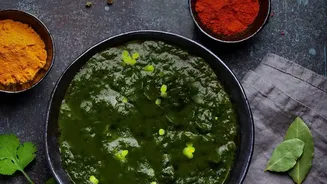
A bowl of rich, creamy saag is a cornerstone of North Indian comfort food, especially during winter. But what elevates this humble dish of greens into something truly memorable? The secret often lies in the final, glistening spoonful of ghee.
More Than Just Flavour
To say ghee
adds flavour to saag is an understatement. It transforms it. While refined oils can be neutral, ghee brings its own rich, nutty, and slightly caramelized taste to the party. This distinct flavour is a hallmark of traditional Indian cooking, providing a depth that instantly signals 'ghar ka khana' or home-cooked warmth. The aroma alone, released when hot ghee hits the cooked greens, is a crucial part of the culinary experience. It’s not just an ingredient; it’s a sensory cue that the dish is complete and ready to be savoured. A spoonful stirred into a finished saag brings a toasty depth that butter, with its milder milk solids, cannot quite match.
The Science of a Silky Texture
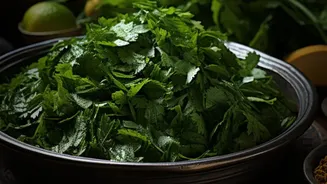
One of ghee's most important roles in a saag is balancing the natural bitterness and astringency of the mustard greens. Fat doesn't eliminate bitterness, but it changes our perception of it by coating the tongue and its taste receptors. This mellows the sharp, pungent notes of the 'sarson', resulting in a smoother, more rounded flavour profile. Furthermore, ghee contributes to the dish's luxurious, creamy texture. Saag, a puree of leafy greens, can sometimes separate or feel thin. A generous dollop of ghee emulsifies with the greens, creating a fuller, more cohesive mouthfeel that is both rich and satisfying. This structural contribution is why generous fat in saag is not seen as an excess, but a necessary component.
Unlocking Essential Nutrients
Leafy greens like those used in saag are packed with essential fat-soluble vitamins, particularly vitamins A, K, and E. However, for our bodies to properly absorb these nutrients, they need to be consumed with fat. Adding ghee to your saag is a traditional and highly effective way to ensure you're getting the full nutritional benefit of the vegetables. It acts as a carrier, helping your body unlock and absorb the vitamins that are crucial for everything from vision and immunity to bone health. So, that spoonful of ghee is not just for taste; it’s making your healthy meal even healthier.
The Finishing Touch: Tadka
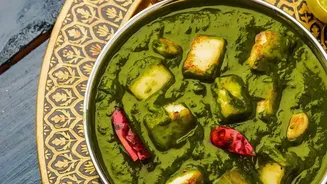
While stirring ghee into the final dish is common, another traditional technique is to pour a sizzling 'tadka' or tempering over the saag just before serving. This involves heating ghee in a small pan until hot and then blooming spices like cumin seeds, sliced garlic, ginger juliennes, and dried red chillies in it. The hot, fragrant mixture is then poured over the saag, creating a dramatic hiss and releasing an incredible aroma. This method layers flavour in a different way, adding the crisp texture of fried garlic and the pronounced fragrance of toasted spices right at the end. Ghee's high smoke point of around 230-250°C makes it the perfect fat for this high-heat technique, as it allows the spices to cook perfectly without burning.
How to Serve It Right
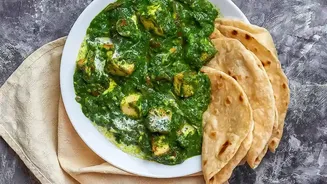
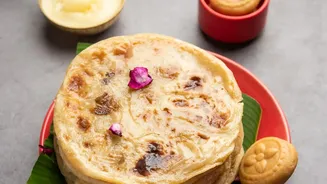
For the most authentic experience, sarson ka saag is traditionally served hot with a fresh dollop of white butter or ghee melting on top. It is most famously paired with 'makki ki roti' (flatbread made from maize flour). Many also enjoy it with a side of sliced onions, green chillies, and a piece of jaggery ('gur'). The sweetness of the jaggery provides a delightful contrast to the earthy, slightly bitter flavour of the saag, creating a perfect balance of tastes that is a true hallmark of Punjabi cuisine.