




What is the Front-of-Pack Crackdown?
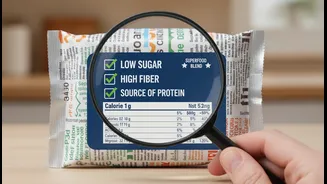
The Food Safety and Standards Authority of India (FSSAI) is clamping down on misleading packaged-food claims by introducing a Front-of-Pack Labelling (FoPL) system. This move is designed to simplify complex nutritional information, which is often buried
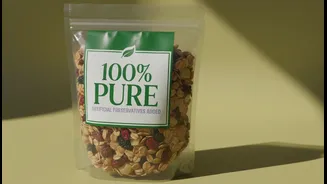
in fine print on the back of packages. Instead of deciphering grams and percentages, consumers will soon see a star rating on the front of items. This crackdown follows a recent push for transparency, with the FSSAI issuing notices to major brands for misleading claims about products being “100% natural” or for depicting ingredients not actually present in the food. The regulator aims to stop deceptive marketing and empower consumers to make informed choices instantly.
Decoding the Indian Nutrition Rating (INR)
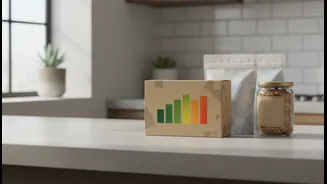
The new system is called the Indian Nutrition Rating, or INR. It works much like the energy ratings on appliances: the more stars a product has, the healthier it is considered. Ratings will range from half a star (least healthy) to five stars (most healthy). The score is calculated based on the amount of energy, saturated fat, sugar, and sodium per 100g or 100ml. It also considers positive nutrients like fruits, vegetables, nuts, legumes, millets, fibre, and protein. Foods high in salt, sugar, and fat will receive fewer stars, giving you a quick visual cue about the product's overall nutritional quality without needing to be a nutrition expert.
Why This Change is Happening Now
The push for clearer labels comes amid rising public health concerns in India, particularly the increase in lifestyle diseases like obesity and diabetes linked to diets high in processed foods. Consumers often rely on front-of-pack marketing, which can be misleading. The back-of-pack nutrition panel is often confusing and ignored. The Supreme Court has also urged the FSSAI to take action, stating that protecting consumer health is a primary duty. This new system is India’s response to a global trend of using simplified front-of-pack labels to help citizens make healthier dietary choices, similar to systems in Australia, France, and Chile.
How to Read the New Labels (and Between the Lines)
While the star rating is a great starting point, using it smartly requires a bit more context. Use the INR to compare similar products side-by-side. For instance, if you're choosing between two brands of breakfast cereal, the one with more stars is likely the better option. However, don't just rely on the stars. The rating provides an 'at-a-glance' summary but doesn't replace the need to read the full ingredient list. Ingredients are listed by weight, so if sugar, refined flour (maida), or palm oil are in the top three, it’s a red flag, regardless of the star count. Also, remember that some foods like milk, fresh fruits, and vegetables are exempt from this rating system.
The Bigger Picture: Industry Concerns and Future Steps
The introduction of the INR system has not been without debate. Some public health experts have raised concerns, while food manufacturers have pointed to the significant operational costs of changing labels. To ease this transition, the FSSAI has announced that any new labelling amendments will now have a fixed annual enforcement date of July 1st, giving businesses a predictable timeline for compliance. The draft regulation for the INR system proposed a voluntary compliance period before it becomes mandatory. Recent amendments affecting bulk packaging are set to be enforced from July 2027, indicating a phased rollout of the broader labelling overhaul. This suggests a gradual but firm shift towards greater transparency in India’s food ecosystem.