


Your Gut: A Unique Internal World
Think of your gut as a bustling city populated by trillions of microorganisms, including bacteria, viruses, and fungi. This community is known as the gut microbiome. For a long time, it was seen simply as a digestive aid, but we now know it's a vital
organ that influences everything from your immunity and metabolism to your mental health. It helps break down food, produces essential nutrients, and even communicates with your brain. But here's the catch: the composition of this microbial city is not the same for everyone. It's profoundly shaped by genetics, lifestyle, and, most importantly, diet.
A Landmark Study for South Asia
The vast majority of microbiome research has historically focused on Western populations, creating a significant knowledge gap. Recognizing this, recent large-scale studies, including the South Asian MicroBiome ARray (SAMBAR) and others from Indian institutions, have delved into what makes the gut microbiome of people in this region unique. These studies analyzed microbial data from diverse communities across India and Sri Lanka, comparing them with global datasets. The findings were clear: South Asian gut microbiomes occupy their own distinct space, shaped by unique diets, cultural practices, and local environments. This research is not just academic; it's a critical step toward understanding why conditions like diabetes, obesity, and heart disease are rising so rapidly in the region.
The 'Prevotella' Signature of the Indian Gut
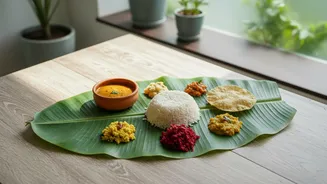
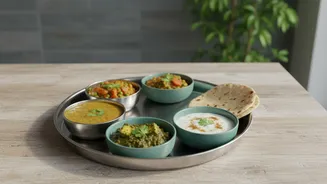
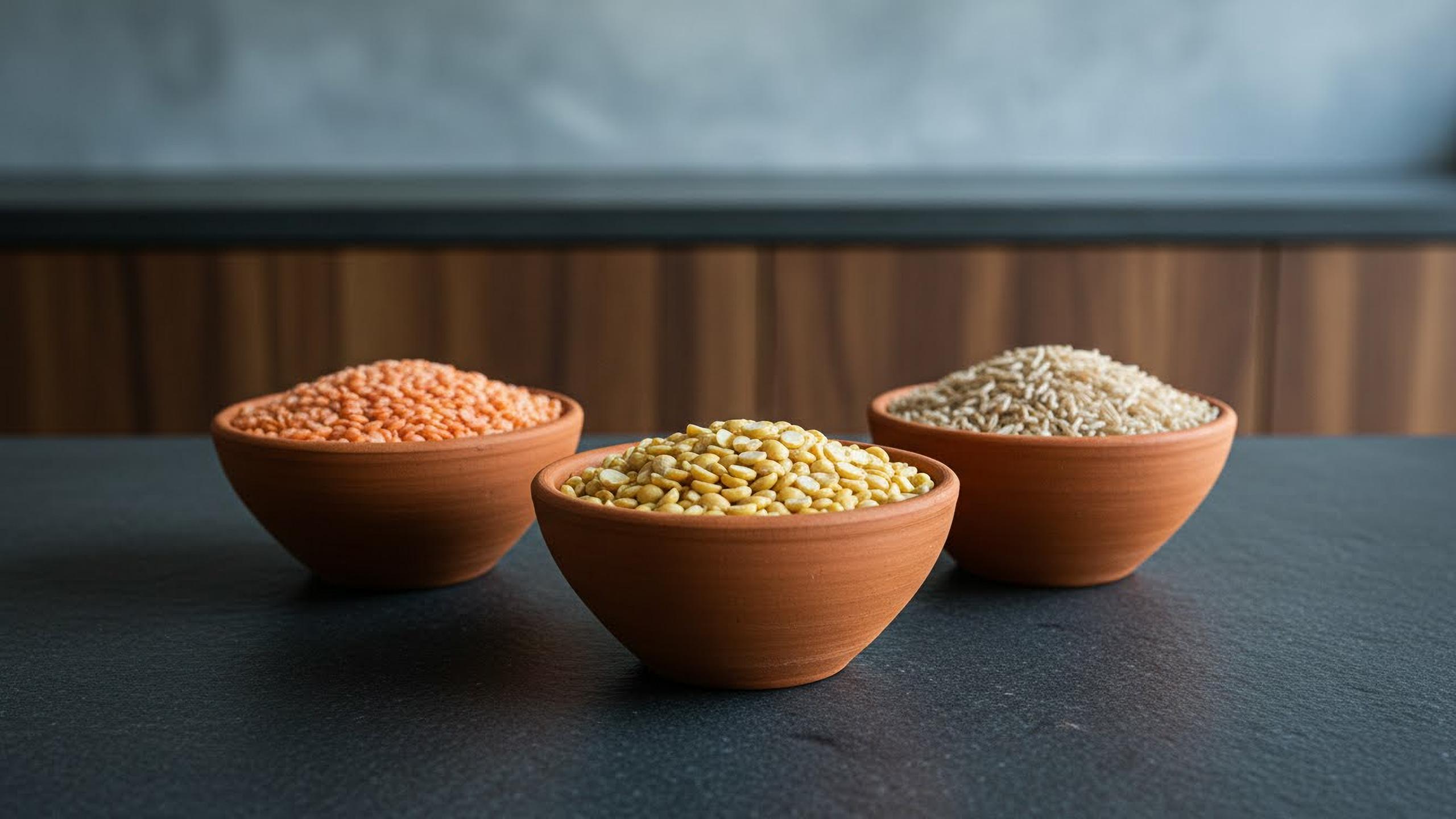
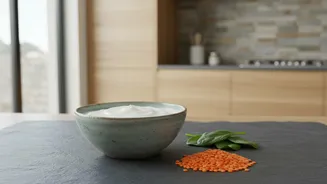
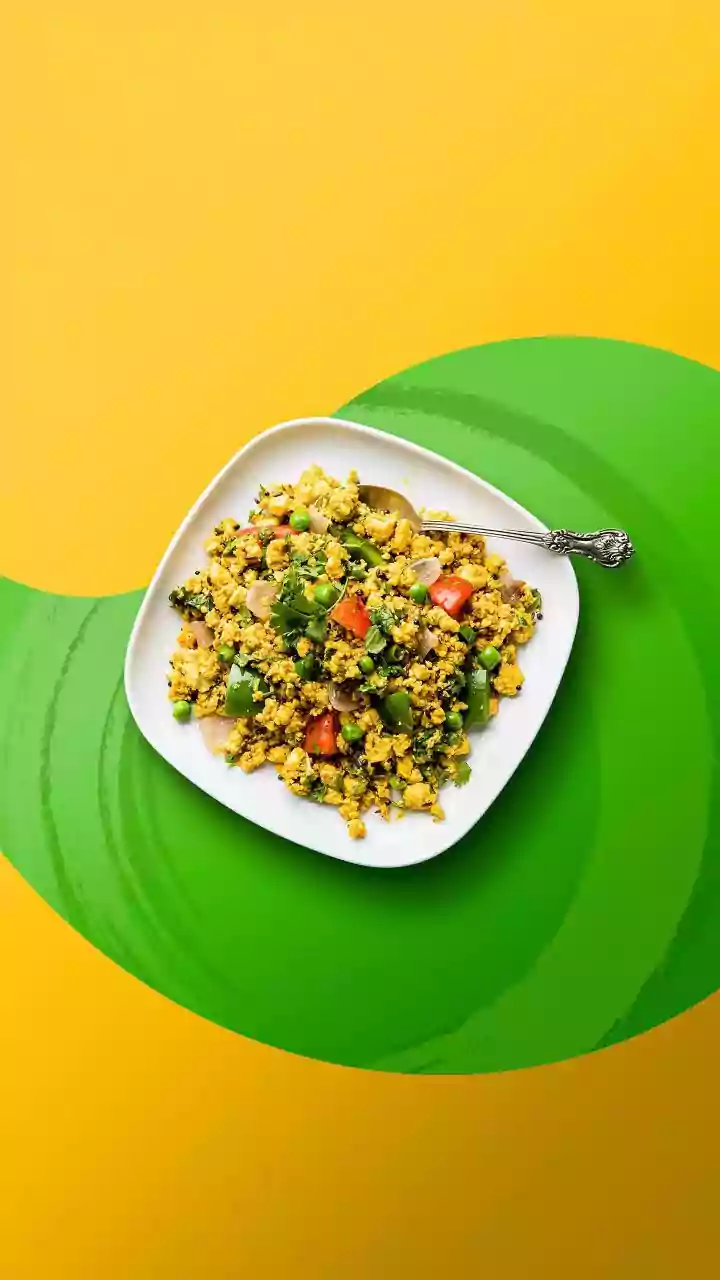
So, what makes the Indian gut different? A key finding across multiple studies is the dominance of a bacterium called Prevotella. This microbe thrives on complex carbohydrates and fibre, which are staples of traditional Indian plant-based diets. In contrast, Western guts, accustomed to diets higher in fats and proteins, are typically dominated by a different bacterium, Bacteroides. The prevalence of Prevotella in Indian guts is a direct reflection of a diet rich in lentils, whole grains, and vegetables. Additionally, the widespread consumption of fermented foods like curd, idli, and dhokla introduces a diverse array of beneficial probiotics, further enriching this unique microbial signature.
Why Global Health Advice Often Fails
This microbial difference explains why generic, one-size-fits-all dietary advice often falls short for Indians. A diet plan that works wonders for someone with a Bacteroides-dominant gut in Europe or North America might not produce the same results for someone with a Prevotella-dominant gut in India. The way our bodies process food, absorb nutrients, and even respond to medications is directly influenced by our gut residents. For instance, as South Asians urbanize and adopt more Westernized diets high in processed foods and sugar, they begin to lose their native Prevotella bacteria. This shift is strongly linked to an increased risk of inflammatory bowel disease (IBD), type 2 diabetes, and other metabolic disorders.
The Future Is Personalised Nutrition
The insights from these studies are paving the way for a new era of healthcare: personalised nutrition. Instead of broad recommendations, doctors and nutritionists can one day offer dietary advice tailored to an individual's unique gut microbiome profile. By understanding the specific bacteria in a person's gut, it may be possible to recommend specific foods—from traditional fermented products to particular fibre sources—to improve health outcomes and prevent chronic disease. This approach moves beyond simply counting calories and focuses on nurturing the internal ecosystem that governs our health. For a country as genetically and culturally diverse as India, this personalized approach is not just a luxury but a necessity for effective public health.