










The Problem with a Party of One
Animal welfare experts often refer to a collection of behavioral issues as "single kitten syndrome." This isn't a formal diagnosis, but an anecdotal term for challenges that can arise when a kitten is raised alone. Kittens learn crucial life lessons from
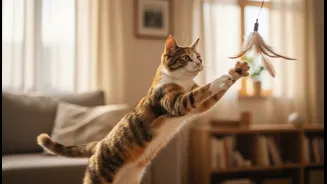
their littermates between the ages of 6 to 14 weeks. Through play, they teach each other boundaries, like how hard is too hard to bite or scratch. A solo kitten might miss these lessons, leading them to play too aggressively with their human companions. They can also become lonely, bored, or anxious when left alone, which sometimes results in destructive behaviors like scratching furniture or climbing curtains.
A Built-In Best Friend and Teacher
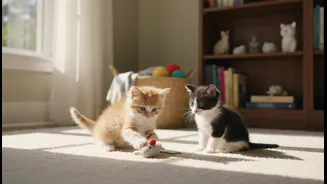
Adopting two kittens together provides them with a constant source of comfort, enrichment, and social education. They can burn off their boundless energy by chasing and wrestling each other, rather than using your ankles as a substitute toy. This constant interaction helps them develop healthy social skills and understand feline body language. Having a familiar friend also makes the transition from a shelter to a new home significantly less stressful. They have a companion to explore with, cuddle with for comfort, and learn from through observation, which can even speed up things like litter box training.
Boosting Key Welfare Metrics
For shelters, success isn't just about adoption numbers; it's about the long-term welfare of the animals. Welfare metrics can include an animal's physical health, stress levels, and behavioral adjustment. Kittens are one of the most vulnerable populations in shelters. When adopted in pairs, they often show fewer signs of stress and are less likely to develop boredom-related behavioral problems that can lead to an owner returning them to the shelter. A lower return rate is a critical metric for shelters, as it means a more successful, permanent placement and frees up resources for other animals in need. A happier, better-adjusted cat leads to a happier owner, creating a positive feedback loop.
Surprising Benefits for Owners
It might seem counterintuitive, but two kittens can often be less work than one. Because they entertain each other, they are less reliant on their human for constant stimulation. This can lead to a more harmonious household, especially for people who are away at work for parts of the day. Adopters of pairs often report that their kittens seem more confident and well-adjusted. If you already have an older cat, introducing two kittens can also be easier than introducing one. The kittens will often focus their playful energy on each other, giving the older resident cat space to adjust at their own pace.
What to Consider Before Adopting Two
While adopting a pair has many benefits, there are practical considerations. Look for kittens that are already a 'bonded pair'—those that have grown up together and show a clear attachment through cuddling, grooming, and playing. Many shelters will identify these pairs for you. While the initial adoption fee might be the same or discounted for a pair, owners must be prepared for the ongoing costs of food, litter, and veterinary care for two cats. However, many owners find that the joy and reduced behavioral issues associated with a pair far outweigh the marginal increase in expense and effort.