



What 'Cold-Pressed' Truly Means
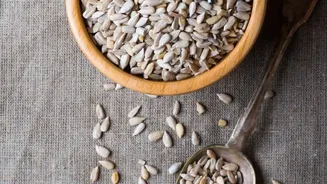
Unlike modern refined oils that use high heat and chemical solvents, cold-pressing is a traditional, mechanical method of oil extraction. Often done using a wooden press, known as a 'kachi ghani' or 'mara chekku', sesame seeds are crushed at low temperatures
to release their oil. This gentle process is crucial because it avoids high heat, which can destroy delicate nutrients and alter the oil's natural flavour profile. The result is a purer, more nutrient-dense oil that retains the authentic essence of the sesame seeds. This method ensures that the vitamins, minerals, and importantly, the antioxidants, remain intact from the seed to your plate.
The Soul of Regional Flavour
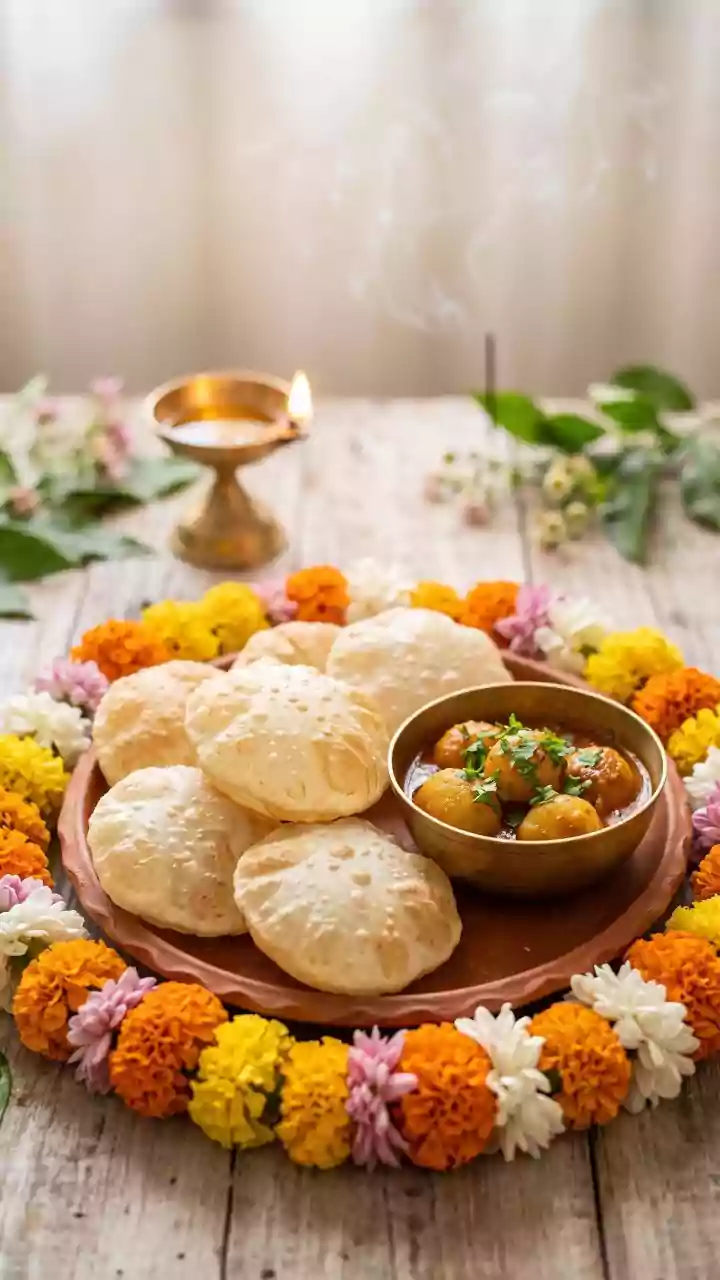
The rich, nutty, and earthy flavour of cold-pressed sesame oil is distinct from its refined counterparts. This authentic taste is a cornerstone of many regional Indian cuisines, particularly in the South. In Tamil Nadu and Andhra Pradesh, it's the soul of countless dishes, from the tempering (tadka) for sambar and chutneys to its essential role in creating pickles like avakaya and vadu manga. Its ability to carry and enhance the flavour of spices makes it a preferred choice for marinades and traditional preparations. The oil's natural flavour isn't just an ingredient; it's a layer of tradition that brings a dish to life, providing a depth and aroma that refined oils simply cannot replicate.
A Natural Shield of Antioxidants
One of the most significant benefits of cold-pressed sesame oil lies in its rich antioxidant content. The low-temperature extraction preserves powerful naturally occurring compounds called lignans, specifically sesamol and sesamin. These antioxidants are vital for protecting the body's cells from oxidative stress and damage caused by free radicals, which are linked to chronic diseases and ageing. Studies have highlighted that sesamin and sesamol contribute to the oil's stability and possess anti-inflammatory properties. This makes the oil not just a source of healthy fats but also an active component in supporting overall wellness, from heart health to regulating blood sugar.
More Than Just a Cooking Oil
For centuries, sesame oil has been revered in Ayurveda, where it is often called the 'Queen of Oils'. Its uses extend far beyond the kitchen. In Ayurveda, it's prized for its warming and nourishing properties, making it a popular choice for 'abhyanga' (self-massage) to soothe muscles, improve circulation, and calm the nervous system. Its natural antibacterial and anti-inflammatory qualities have made it a go-to remedy for skin and hair health, used to moisturise the scalp, strengthen hair, and heal minor skin irritations. This holistic application underscores its deep cultural significance as a source of both internal and external nourishment.
How to Choose and Use It
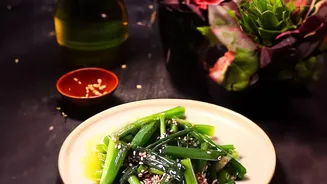
When shopping, look for oils labelled 'cold-pressed', 'wood-pressed', or 'kachi ghani' to ensure you're getting the unrefined, nutrient-rich version. The colour should be a rich golden or dark amber, and it should have a distinctly nutty aroma. While its high smoke point makes it suitable for various cooking methods like sautéing, its true culinary value shines when used in ways that preserve its flavour. Drizzle it over finished dishes like stir-fries or noodles, whisk it into salad dressings, or use it for tempering spices. For pickling, it acts as a natural preservative while infusing the ingredients with its deep flavour. To maintain its freshness and potent properties, store it in a cool, dark place away from direct sunlight.