


The Classic Monsoon Bloom: Valley of Flowers
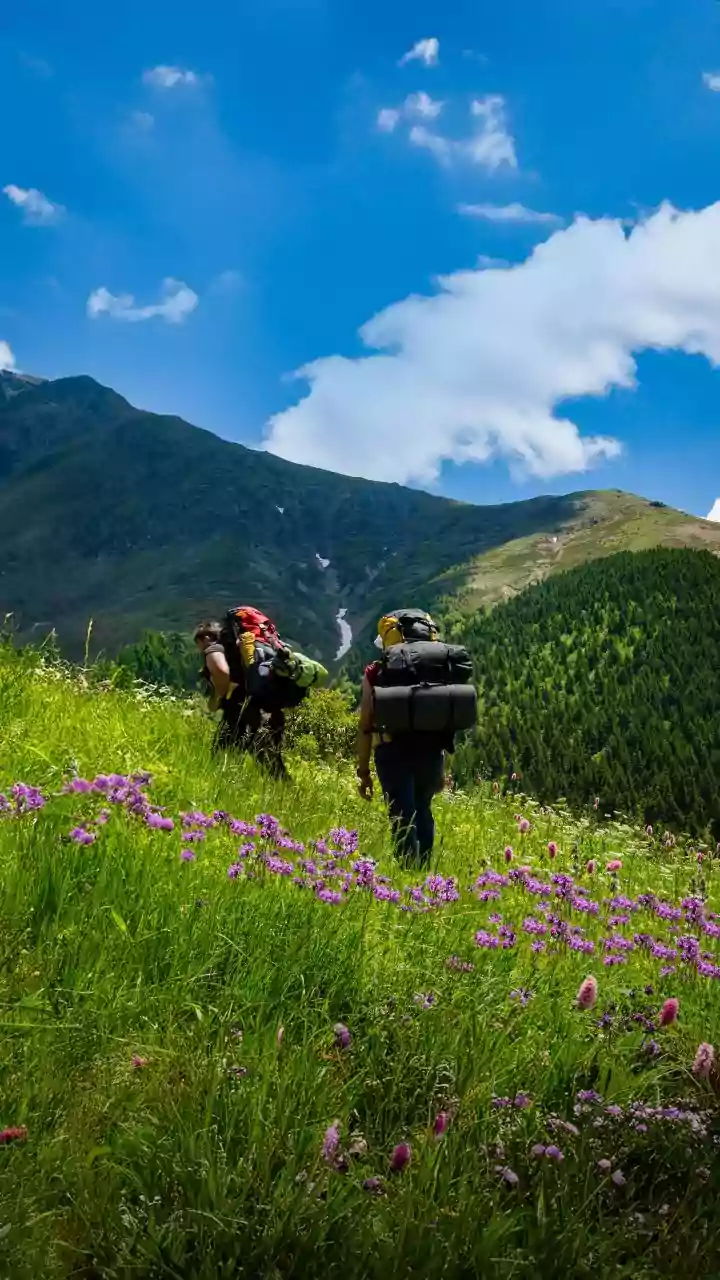
There's a reason the Valley of Flowers is a UNESCO World Heritage Site, and August is when it puts on its most spectacular show. During the monsoon, this high-altitude valley explodes with over 500 species of alpine flowers, creating a vibrant carpet
of colour. The trek is considered moderate, typically taking 4-6 days, making it an ideal challenge for a long weekend. The trail starts from Govindghat and leads to the base camp at Ghangaria. From there, a day is spent exploring the breathtaking floral meadows. August is considered the absolute peak season for the bloom. While the monsoon brings this beauty to life, it also means you must be prepared for rain and slippery paths. A good waterproof jacket and sturdy shoes with excellent grip are non-negotiable. The reward, however, is witnessing a natural wonder that is only visible for a few months each year.
The Weekend Warrior's Peak: Nag Tibba
If you're short on time but high on ambition, the Nag Tibba trek is your answer. As one of the most accessible weekend treks from cities like Delhi and Dehradun, it's perfect for both beginners and seasoned hikers looking for a quick mountain fix. The trek can be comfortably completed in 2-3 days. The trail takes you through dense forests of oak and rhododendron, which are especially lush and mystical during the monsoon. Reaching the summit at 3,022 metres (9,915 feet), you're rewarded with stunning panoramic views of Himalayan peaks like Swargarohini, Bandarpoonch, and the Gangotri group, provided the clouds part for you. Because it's at a lower altitude, it receives less intense rainfall than other regions, making it a relatively safer bet during August. Most itineraries involve an overnight stay at a scenic campsite before a pre-dawn summit push to catch the morning views.
The Rolling Green Meadows: Dayara Bugyal
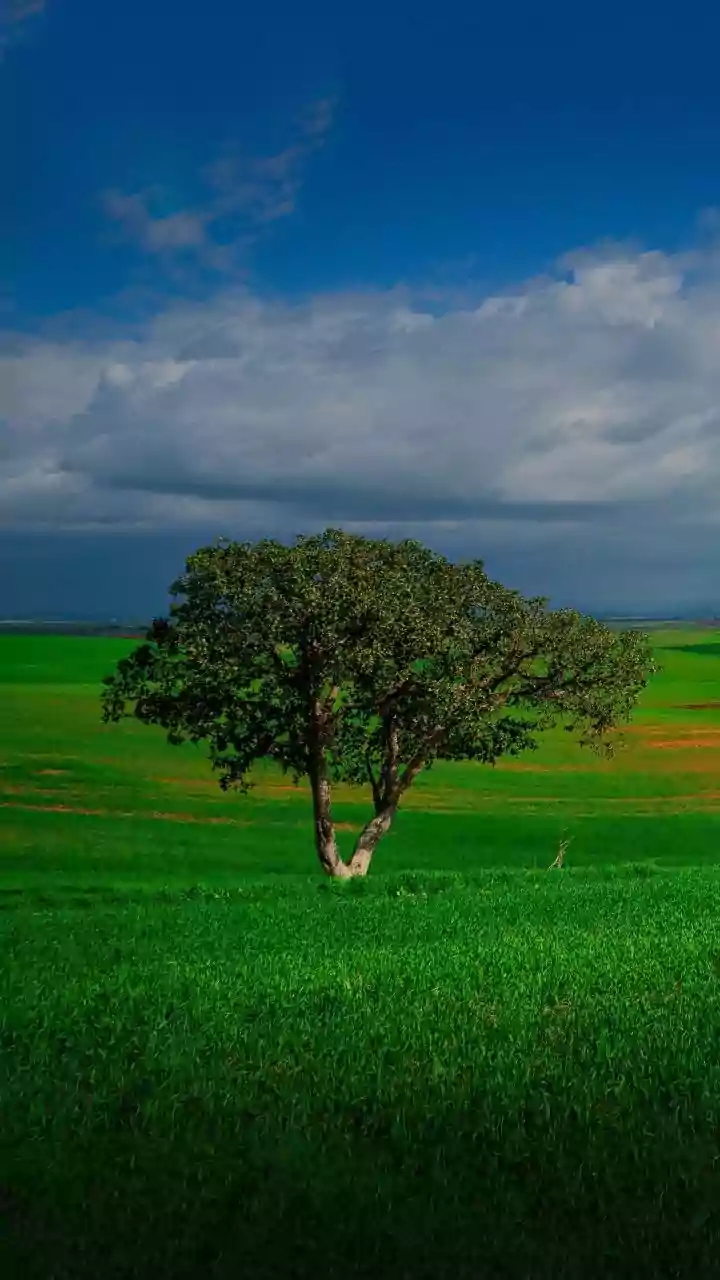
Often called one of India's most beautiful meadows, Dayara Bugyal transforms into an endless expanse of velvety green during the monsoon. This trek is rated as easy to moderate and can be done in 3-4 days, fitting perfectly into the long weekend schedule. The trail, which starts from villages like Barsu or Raithal, is known for its gentle slopes and well-marked paths, making it a safer monsoon option with a lower risk of landslides compared to other treks. Trekkers walk through beautiful oak and deodar forests before emerging into the vast, rolling grasslands. In August, the meadows are dotted with wildflowers and you might even spot herds of Himalayan sheep. On a clear day, the views of the Bandarpoonch and Bhagirathi peaks are simply breathtaking. While the path can get slippery, the otherworldly beauty of the rain-washed bugyals makes it a worthwhile adventure.
Know Before You Go: Monsoon Trekking Essentials
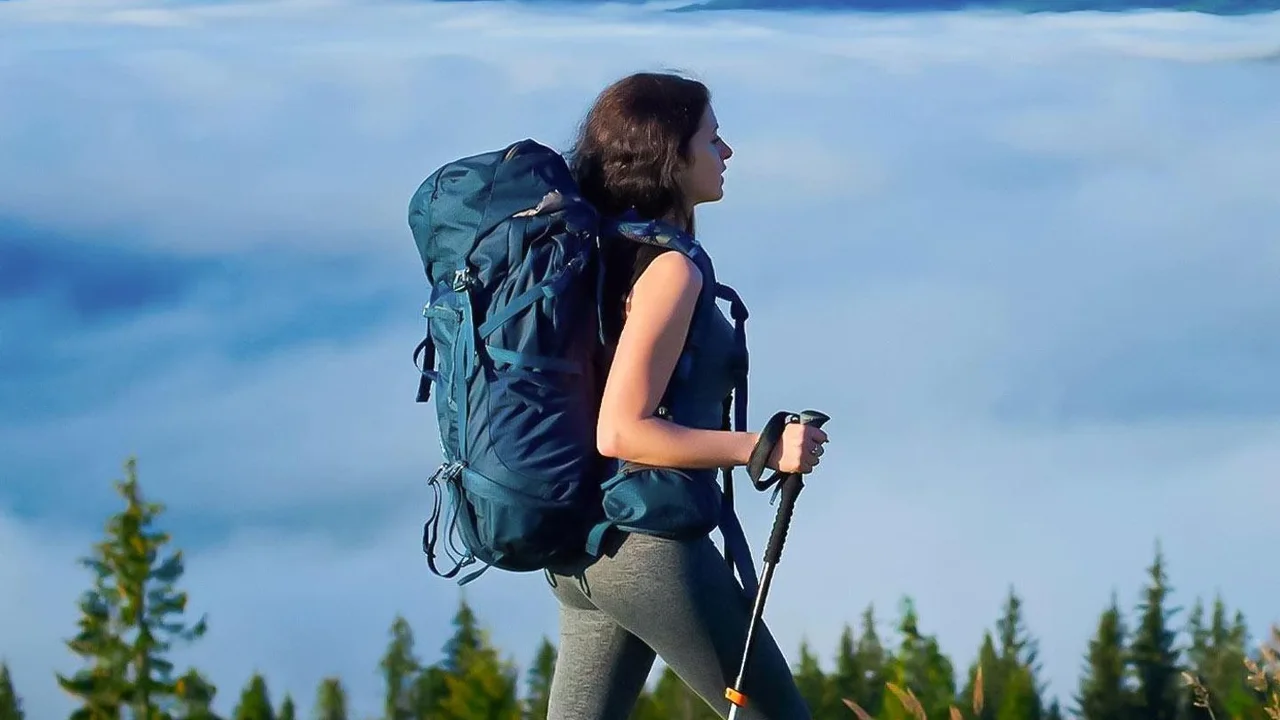
Trekking in Uttarakhand during August is a magical experience, but it demands respect and preparation. The monsoon means trails can be slippery and muddy, and the weather is unpredictable. Mornings are often clear, with rain typically arriving in the afternoon, so an early start is always recommended. Your packing list must include high-quality waterproof gear from head to toe: a rain jacket, waterproof pants, and a cover for your backpack are essential. Sturdy, waterproof trekking shoes with deep grooves for grip are your best friend on these trails. It's also wise to pack extra layers of clothing in waterproof bags to ensure you have something dry to change into. Leeches can be common, so carrying salt or leech socks is a good precaution. Most importantly, always check the latest weather forecasts and road conditions before you leave and consider hiring a local guide who is familiar with the terrain and current conditions.