




Conduct a Pre-Party Fridge and Freezer Audit
Before you even write your shopping list, take a good look at your refrigerator and freezer. This is the time to be ruthless. Toss out that half-empty jar of pasta sauce from months ago and any other expired items. Wipe down shelves and drawers. This not
only cleans the space but also gives you a clear inventory of what you already have and, more importantly, how much free space you can dedicate to leftovers. Organizing what’s left into clear bins or designated zones can create even more usable space. Remember, raw meats should always be stored on the bottom shelf to prevent any drips from contaminating other foods.
Plan Your Menu With Freezing in Mind
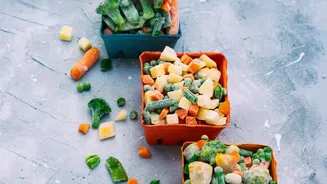
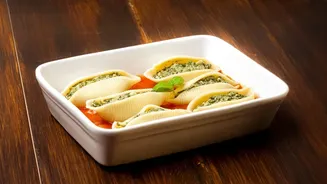
Not all leftovers are created equal. As you plan your menu, think about which dishes will store well. Soups, stews, curries, braised meats, and casseroles are fantastic candidates for freezing, as their texture and flavor often improve. Dishes with a high water content, like cucumber and lettuce salads, and some dairy-based sauces don't fare as well in the freezer. Cooked rice and pasta can be frozen successfully, making them great components for future meals. By choosing a few freezer-friendly anchor dishes, you’re already setting yourself up for post-party success.
Stock Up on Smart Storage Solutions
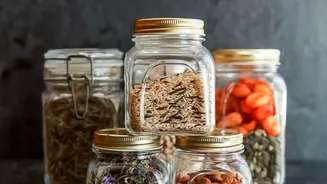
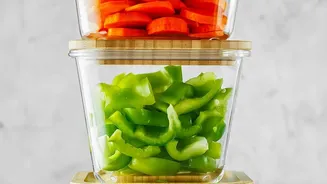
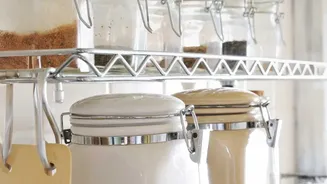
Having the right containers ready to go is a game-changer. You don't want to be searching for matching lids while your guests are saying their goodbyes. Invest in a variety of airtight containers. Glass containers are great because they can often go from the freezer to the microwave or oven, but be sure they are rated for freezing to avoid cracking. Quality, freezer-safe plastic containers and reusable freezer bags are also excellent, especially for items with irregular shapes or for portioning out individual servings. Disposable foil pans can also be a budget-friendly option for larger portions that you might want to bake later.
Create a 'To-Go' Station for Guests
One of the easiest ways to manage leftovers is to share the bounty. Set up a designated “to-go” station with containers and bags for your guests. Encourage them to pack up some of their favorite dishes before they leave. You can even collect and clean reusable containers like yogurt tubs or takeout boxes in the weeks leading up to your party for this specific purpose. This gesture not only reduces your storage burden but also extends the hospitality of your event, allowing your friends and family to enjoy the food for another day.
Label Everything and Follow Food Safety Rules
To avoid a freezer full of mystery meals, label every container with the contents and the date it was stored. This simple step saves you guesswork down the road. More importantly, follow crucial food safety guidelines. Perishable foods should not be left at room temperature for more than two hours (or one hour if it's over 90°F). Cool large batches of food quickly by dividing them into smaller, shallow containers before refrigerating or freezing. This prevents the food from lingering in the temperature “danger zone” (between 40°F and 140°F) where bacteria can grow rapidly.
Know Your Storage Timelines
Once properly stored, most leftovers can be kept in the refrigerator for three to four days. For longer storage, the freezer is your best friend. While frozen food is technically safe to eat indefinitely, it's best to consume it within three to four months for optimal flavor and texture. Keeping a running list of what’s in your freezer on a whiteboard or app can help you rotate through your stock and ensure nothing gets lost in the icy depths.