






Your Pre-Monsoon Electrical Health Check
Before the first heavy downpour, it is wise to conduct a thorough inspection of your home's electrical systems. Over time, wiring can become brittle or damaged, and high humidity can worsen existing issues. Hire a licensed electrician to check for loose
connections, frayed wires, and signs of wear. This is especially crucial for older homes. A professional should also verify that your home's earthing is functioning correctly. Proper earthing is a critical safety feature that diverts excess electricity into the ground, reducing the risk of electric shocks and protecting appliances from damage. Paying for an inspection now can prevent costly damage and dangerous accidents later.
Fortify Your Defences Against Power Surges
Monsoon thunderstorms are notorious for causing power surges—sudden voltage spikes that can fry the sensitive circuits in your expensive electronics. Your first line of defence is a surge protector. However, not all power strips are created equal. For valuable items like TVs, computers, and gaming consoles, use quality surge protectors with a high joule rating, which indicates how much energy they can absorb. For comprehensive protection, consider having a whole-home surge protector installed directly at your main electrical panel. This device acts as a gatekeeper, stopping major surges before they can enter your home’s wiring.
Smart Habits During a Thunderstorm
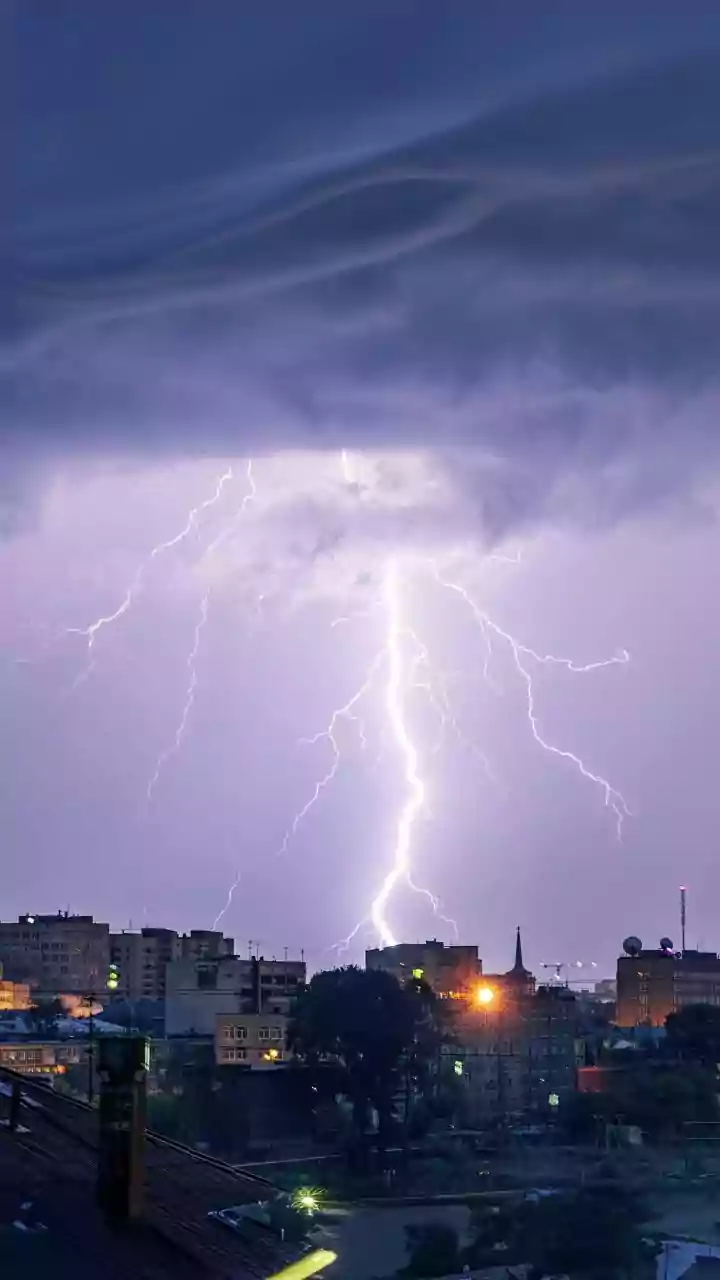
When lightning illuminates the sky, it's time for immediate action. The safest and most effective step is to unplug non-essential electronics. This includes your television, chargers, routers, and computers. A lightning strike near a power line can send a massive surge through the grid, and unplugging is the only surefire way to isolate your devices from it. Avoid touching plugged-in appliances during a storm, and never attempt to handle electrical cords or switches with wet hands, as water is an excellent conductor of electricity. Educating all family members, especially children, on these basic rules is a vital part of household safety.
Managing Water Seepage and Leaks
Water and electricity are a deadly combination. Before and during the monsoon, be vigilant about water leaks in your walls, ceilings, and around windows. Water seeping into walls can come into contact with internal wiring and switchboards, creating a serious risk of shock and fire. If you spot any leaks, get them repaired immediately. Keep electrical appliances away from windows and any areas prone to dampness. In homes susceptible to waterlogging, it's a good practice to place major appliances like refrigerators and washing machines on elevated platforms to protect their electrical components from water damage.
Circuit Breakers: Your Unsung Heroes
Your home's circuit breaker box is a key safety feature. Devices like Miniature Circuit Breakers (MCBs) automatically cut power during an overload or short circuit. For an even higher level of protection against electric shock, consider installing Residual Current Circuit Breakers (RCCBs) or Ground Fault Circuit Interrupters (GFCIs). These devices are designed to detect small leakages of current—such as when a person accidentally touches a live wire—and cut the power almost instantly, which can be life-saving. An electrician can advise on installing these in moisture-prone areas like kitchens, bathrooms, and laundry rooms.
Safe Use of Generators and Inverters
Backup power sources like generators and inverters are common in India, but they come with their own set of rules for the rainy season. A portable generator should never be operated directly in the rain or on wet ground unless it is protected by a proper, purpose-built cover that still allows for ventilation. Place the generator on an elevated, dry surface. Never operate a generator indoors or in an enclosed space due to the risk of carbon monoxide poisoning. Ensure all cables are in good condition and not frayed, and always handle connections with dry hands to prevent the risk of electrocution.