







The Age-Old Problem of Perishability
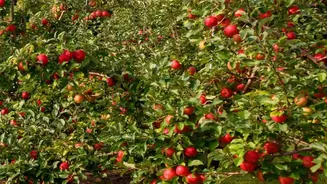
The apple industry is the backbone of Jammu and Kashmir's rural economy, supporting an estimated 3.5 million people. Yet, for decades, this lifeline was incredibly fragile. Immediately after the autumn harvest, a flood of apples would hit the market,
causing prices to collapse. Farmers, lacking adequate storage, were forced into distress sales to avoid spoilage. A significant portion of the harvest, sometimes up to 15% for fruits, would be lost due to poor post-harvest management, inadequate transport, and a lack of scientific storage. This yearly cycle trapped growers in a low-profit struggle, where their hard-earned produce would often rot before it could reach distant consumers.
The Controlled Atmosphere Solution
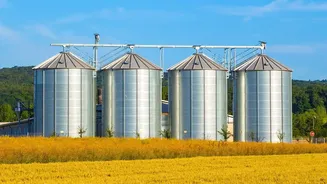
The game-changer has been the widespread adoption of Controlled Atmosphere (CA) storage. Unlike basic refrigeration, CA facilities are high-tech warehouses that precisely regulate the air composition inside sealed chambers. By dramatically reducing oxygen levels (from 20% to about 1.5%) and managing carbon dioxide, temperature, and humidity, these stores essentially put the apples to sleep. This process slows down the ripening and decay process, extending the shelf-life of high-quality apples by six to ten months without affecting their crispness, colour, or taste. This technology allows a seasonal fruit to be available almost year-round.
Empowering Farmers and Stabilising Markets
The impact of CA storage has been transformative for growers. The ability to store apples for extended periods has shifted market power back into the hands of the farmers. They are no longer forced to sell their entire crop during the harvest glut when prices are lowest. Instead, they can hold their produce and release it gradually into the market when demand is high, fetching significantly better prices in the off-season. This newfound flexibility protects growers from distress sales and provides them with a more stable, predictable income, allowing for better financial planning and reinvestment into their orchards.
A Ripple Effect for Consumers and the Economy
The benefits extend far beyond the orchards. For consumers across India, it means a consistent, year-round supply of high-quality Kashmiri apples that were previously only available for a few months. The infrastructure has also created a new ecosystem of jobs in sorting, grading, packing, and logistics. With investments in the cold chain sector crossing thousands of crores, it has spurred significant economic activity. Government schemes, including the Mission for Integrated Development of Horticulture (MIDH) and the Agriculture Infrastructure Fund (AIF), have further supported this growth by providing subsidies and financial assistance for setting up these modern facilities.
Challenges on the Horizon
Despite the progress, the system is not without its challenges. The current CA storage capacity in Kashmir, estimated at around 2.9 to 3 lakh metric tonnes, is still well below the required 6 lakh tonnes needed to handle the entire harvest effectively. This shortfall was highlighted in 2025, when premature harvesting due to weather and highway blockages overwhelmed the existing facilities, leading to quality issues. Furthermore, the high cost of using these facilities can be a barrier for small and marginal farmers, sometimes widening the gap between them and larger commercial growers. Ensuring this vital infrastructure is both sufficient and accessible to all remains a key hurdle.