






The Unstoppable Rise of Convenience
Life in urban India is moving faster than ever. Hectic work schedules, long commutes, and the rise of nuclear and dual-income households mean that time is a precious commodity. This reality has fuelled a revolution in convenience, spearheaded by quick
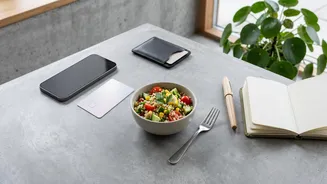
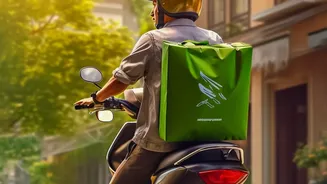
commerce and food delivery platforms like Zomato and Swiggy. What began as a channel for occasional treats or emergency groceries has become a daily habit for millions. The promise of getting anything from groceries to a full meal delivered in minutes has fundamentally altered consumer behaviour. Studies show that food delivery apps have dramatically increased convenience-driven ordering and reduced the frequency of home cooking for a significant portion of urban users. This isn't just about laziness; it's a practical response to modern life's demands, where convenience often outweighs all other factors.
The Enduring Power of Tradition
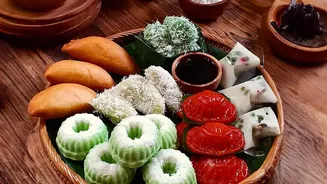
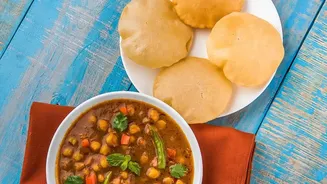
Despite the undeniable lure of speed, tradition remains the bedrock of India's food culture. For the vast majority, a freshly prepared, home-cooked meal is still the gold standard for nutrition, taste, and emotional comfort. Surveys consistently show that while consumers use convenience foods, an overwhelming number still prefer traditional meals, believing they offer superior health benefits and authentic flavour. This preference isn't just about taste; it's deeply cultural. Food choices are strongly rooted in heritage and long-standing family traditions for nearly 75% of Indian consumers. The rituals of cooking, the use of fresh ingredients, and the specific flavours of regional cuisines are tied to identity and well-being. This deep-seated cultural value explains why, even as the demand for speed grows, the core craving for 'ghar ka khana' (home food) remains unshakable.
Bridging the Gap: The New Food Middle Ground
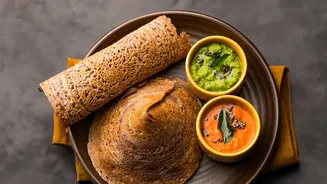
This is where the market has gotten creative. A booming industry is rising to meet the consumer in the middle, offering solutions that promise both convenience and a touch of tradition. The Ready-to-Cook (RTC) market in India is expanding rapidly, with projections showing exponential growth. This sector offers everything from instant sambar and dosa batters to pre-marinated meats and ready-to-mix spice blends. These products significantly cut down on preparation time without completely sacrificing the act of cooking and the freshness of a final dish. Brands like ITC, MTR Foods, and iD Fresh Food are leading this charge, innovating with products that cater to regional tastes and health-conscious consumers seeking nutritious options. This isn't just about selling a product; it's about selling a solution to the modern Indian's core culinary conflict.
Cloud Kitchens and the Homestyle Revolution
Another key innovation is the rise of cloud kitchens—delivery-only restaurants that operate without a physical storefront. This model has allowed for incredible specialisation. Entrepreneurs are launching virtual brands focused entirely on delivering authentic, regional, and 'homestyle' meals. Valued at over a billion dollars in 2024, the Indian cloud kitchen market is projected to grow significantly, driven by the demand for diverse and high-quality food delivered directly to the consumer. These kitchens can focus on specific cuisines, from Kerala seafood to Punjabi grills, offering a variety that a single home cook or traditional restaurant might not. They directly address the consumer who wants the taste of a specific traditional dish but lacks the time, skill, or ingredients to prepare it from scratch, effectively delivering tradition on-demand.