







The Body’s Cellular Power Grid
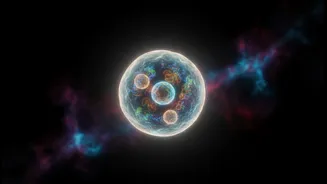
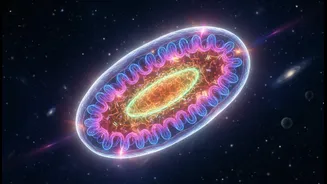
Think of mitochondria as the power plants for your cells. These minuscule structures are responsible for generating most of the cell's supply of adenosine triphosphate (ATP), which is used as a source of chemical energy. Without properly functioning mitochondria,
everything from muscle contraction and nerve impulses to basic cellular maintenance sputters to a halt. For astronauts, whose bodies are under constant strain from microgravity and radiation, a healthy and efficient power grid is non-negotiable for survival and peak performance during long-duration missions. Historically, scientists have observed a wide array of health issues in returning astronauts, including muscle atrophy, bone loss, immune system dysfunction, and cardiovascular problems. For years, the exact underlying mechanism linking these disparate symptoms remained unclear.
Spaceflight’s Cellular Toll
A growing body of evidence, including data from NASA's landmark Twins Study, now points to mitochondrial stress as a universal consequence of spaceflight. It appears that the combined hazards of space—particularly microgravity and cosmic radiation—disrupt the normal function of these cellular powerhouses. This disruption, or dysfunction, means mitochondria become less efficient at producing energy and start to generate more harmful reactive oxygen species (ROS), a form of oxidative stress. This stress can damage DNA and other parts of the cell, contributing to inflammation and a cascade of health problems. In essence, space travel seems to accelerate a process similar to aging at a cellular level, with mitochondrial dysfunction acting as a central hub for the negative effects seen across the body.
The Telltale Signature
The crucial “clue” that researchers have uncovered is the consistent and widespread nature of this mitochondrial dysregulation. By analyzing biomedical data from 59 astronauts and numerous studies on animals and cells flown in space, scientists found a common signature. Regardless of whether they were examining the liver, eyes, or immune cells, the pathways related to mitochondria were consistently impaired. One study noted that levels of free-floating mitochondrial DNA in astronauts' blood were between two and 355 times higher upon their return to Earth. This indicates that mitochondria are being damaged and releasing their own genetic material into the bloodstream, a telltale sign of significant cellular stress. This consistent phenotype allows scientists to move from simply cataloging symptoms to understanding a root cause, opening the door for targeted interventions.
Training for Cellular Resilience
Knowing that mitochondria are at the heart of the problem allows space agencies to refine astronaut preparation. The focus is shifting from broad fitness to targeted cellular health. This could involve personalized training regimens designed to bolster mitochondrial resilience. High-Intensity Interval Training (HIIT) and specific resistance exercises, for example, are known to stimulate mitochondrial biogenesis—the creation of new, healthy mitochondria—on Earth. These protocols could become even more critical for pre-flight conditioning and in-flight maintenance. Furthermore, this new understanding paves the way for novel countermeasures. Researchers are investigating pharmacological interventions, such as antioxidant compounds like kaempferol (found in foods like grapefruit and leafy greens) or thiamine supplements, which have shown promise in rescuing mitochondrial function in lab settings. Another futuristic approach being explored by NASA's MitoMars project is a therapy involving the transplantation of an astronaut's own pre-banked, healthy mitochondria to repair damaged cells during a mission.
Beyond the ISS: Mars and More
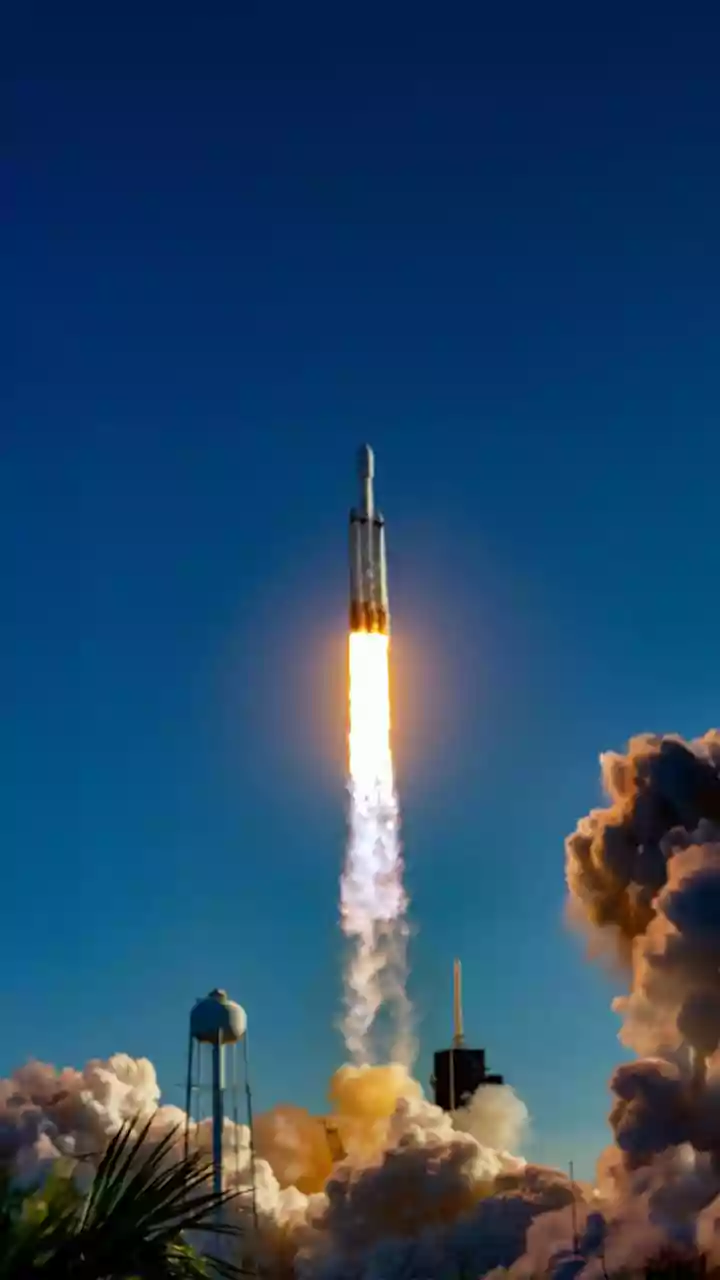
This focus on mitochondrial health is paramount for the next era of human exploration. A trip to Mars could take years, exposing astronauts to unprecedented levels of radiation and prolonged microgravity. Simply managing bone and muscle loss won't be enough; astronauts must be protected at a fundamental, cellular level to ensure they arrive on another planet healthy and capable of performing their mission. By identifying individuals with genetic predispositions for mitochondrial resilience and developing effective countermeasures, space agencies can better select and protect their crews for these arduous journeys. This research doesn't just benefit astronauts. The insights gained from studying mitochondrial dysfunction in space have direct applications for treating age-related diseases, like cardiovascular conditions and neurodegeneration, right here on Earth.