




Why More Direct Flights Now?
The primary driver behind this boom in direct connectivity is the strategic consolidation and expansion of India's major carriers. The merger of Air India and Vistara has created a larger, more competitive airline with a wider network and improved operational
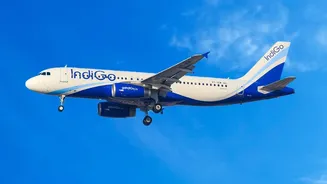
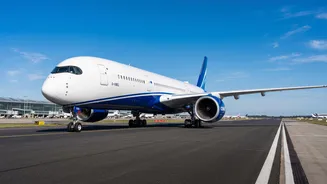
efficiency. This, combined with significant fleet growth across major players like Air India and IndiGo, is paving the way for more ambitious international routes. Airlines are inducting new-generation, long-range aircraft capable of flying non-stop to distant continents. Air India, for instance, is leveraging its Airbus A350 and upgraded Boeing 777 aircraft to enhance its long-haul offerings. This fleet modernisation, coupled with rising demand from both leisure and business travellers, has created the perfect environment for this network expansion.
New and Resumed Routes in 2026
Travellers have seen a host of new and resumed direct connections in 2026. Air India expanded its Asian footprint by launching a new service from Delhi to Hanoi and another from Mumbai to Tokyo's convenient Haneda airport. For those looking to Europe, SAS Scandinavian Airlines returned to India with a non-stop route from Mumbai to Copenhagen. Additionally, Air India restored several key routes, including direct flights from Delhi to Rome and Shanghai, enhancing connectivity to both Europe and China. IndiGo has also been active, launching a unique direct flight from Chennai to Réunion Island, a French territory in the Indian Ocean, opening up a new destination for Indian tourists.
Big Savings in Travel Time
The most significant benefit for passengers is a dramatic reduction in travel time. A recent and welcome development in late 2026 has been Air India's resumption of true non-stop flights from Delhi and Mumbai to New York (JFK) and Newark (EWR). Following the easing of airspace restrictions over West Asia, the airline was able to eliminate the technical refuelling stop in Rome. This single change has slashed the total journey time for these US-bound flights from around 22 hours to approximately 17 hours, saving passengers up to five hours. This means less jet lag, more convenience for business travellers, and a much more comfortable start and end to a transatlantic journey.
What to Expect for the Future
The expansion is far from over. Indian airlines are poised to continue adding new international destinations as their fleets grow. IndiGo has ambitious plans to increase its international capacity significantly by 2030, with a focus on both long-haul routes and strengthening its regional network. The airline is adding more connections to Central Asia and Southeast Asia, including new non-stop services from Mumbai to Almaty and Tashkent. Both Air India and IndiGo are aggressively expanding their international businesses, which points to more direct flight announcements in the near future. This ongoing growth promises to give Indian travellers more choices and better connectivity to the world than ever before.