






The Headline Number Explained
The latest data for September 2026 shows that India's headline retail inflation, measured by the Consumer Price Index (CPI), climbed to 5.54%. This is up from 4.83% in the previous month and marks the highest rate in nearly a year. This figure is important
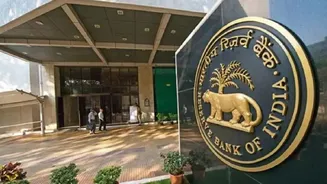
because it is approaching the Reserve Bank of India's (RBI) upper tolerance limit of 6%. The steady rise in inflation over eleven consecutive months indicates that the cost of living is increasing at a faster pace, prompting the central bank to take measures like raising interest rates to manage price stability. The main driver behind this surge is a sharp rise in food prices, compounded by higher fuel costs linked to global oil prices and a weaker rupee.
Your Monthly Rent Outlook
For renters, the impact of inflation is often more gradual. Unlike volatile food prices, rents are typically set by annual contracts. The official data for house rent inflation in August was a modest 2.27%. This relative stability comes after a period of sharp rental hikes across major cities between 2021 and 2024. In the first half of 2025, the rental market had shown signs of cooling down as new housing supply helped ease the extreme demand. However, a high-inflation environment can still indirectly push rents up over the medium term. When buying a home becomes more expensive due to higher property prices and increased home loan interest rates, more people turn to renting. This increased demand can eventually give landlords the leverage to increase rents when contracts come up for renewal. So, while your rent may not change tomorrow, sustained inflation creates upward pressure on the rental market.
Your Grocery Bill Is Getting Bigger
The most immediate and noticeable impact of the latest figures is on your grocery expenses. Food inflation soared to 7.74% in September, a significant jump from the previous month. This is the primary reason why overall inflation has risen so sharply. The price hikes are not just marginal; they are substantial in key kitchen staples. For instance, onion prices have skyrocketed by over 100%, with sharp increases also seen in the costs of ginger and garlic. This surge is largely attributed to domestic factors like adverse weather from a sub-par monsoon, which impacts crop yields. With food accounting for a large portion of the average Indian household's budget, this level of inflation directly squeezes disposable income, leaving less money for other expenses and savings.
Personal Care and Other Essentials
It's not just food that is becoming more expensive. The inflation for the broader category of 'personal care and social protection' also registered a surprisingly high increase of 13.75% in September. This indicates that price pressures are becoming more widespread across the economy, affecting everything from toiletries and cosmetics to other daily-use items. Manufacturers of these goods face higher input and transportation costs, which they eventually pass on to consumers. While a single product's price increase might seem small, the cumulative effect of rising costs across your entire shopping basket—from toothpaste to soap—can add up to a significant financial strain over time, further tightening your monthly budget.