





The Daily Gold Rate
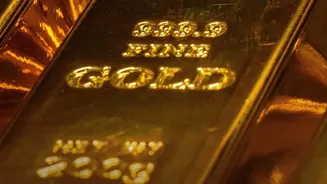
The first component of your bill is the base price of gold itself. This is not a fixed number and fluctuates daily based on international market trends, the USD-INR exchange rate, and local demand and supply. In India, the rate is typically published
by bodies like the Indian Bullion and Jewellers Association (IBJA). Jewellers use this as a benchmark. You will see prices quoted for 24 Karat (99.9% pure) and 22 Karat (91.6% pure) gold. Since 24K gold is too soft for intricate jewellery, most ornaments are made from 22K gold, which is mixed with alloys for durability. The price per gram for 22K gold will be lower than for 24K, and this forms the foundation of your total cost.
Decoding Making and Wastage Charges
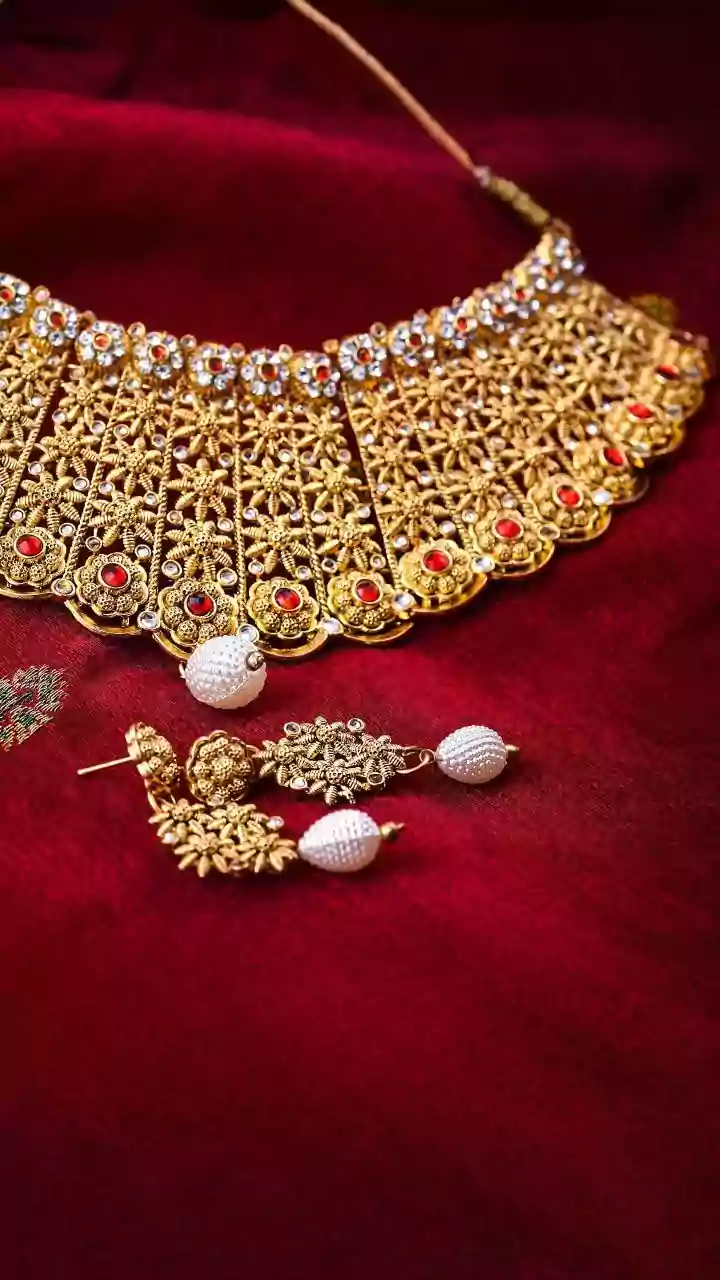
This is where the cost can vary significantly between jewellers. Making charges are the labour costs for crafting raw gold into a piece of jewellery. These can be calculated in two ways: as a percentage of the gold's value (ranging from 6% to 25% or more) or as a flat rate per gram of gold (e.g., ₹500 per gram). Machine-made jewellery often has lower making charges (as low as 3-6%) compared to intricate, handcrafted designs. Some jewellers also add 'wastage charges', claiming a certain percentage of gold (from 5% to over 15%) is lost during the manufacturing process. In modern jewellery making, actual wastage is minimal, so this is often a hidden margin for the seller. Crucially, both making and wastage charges are often negotiable. It pays to ask questions and compare offers from different stores, as savings here can be substantial.
Understanding the Tax Component (GST)
The Goods and Services Tax (GST) is a mandatory levy on your gold purchase. The final price of gold jewellery includes two types of GST. First, a 3% GST is applied to the value of the gold itself. Second, a separate 5% GST is applied to the making charges. So, the total formula looks like this: (Price of Gold + 3% GST) + (Making Charges + 5% GST). Always insist on a detailed bill that breaks down the gold value, making charges, and the respective GST amounts clearly. This transparency ensures you are not being overcharged and gives you a clear record of your purchase.
Don't Forget Hallmarking and Buy-Back Terms
To guarantee purity, the Bureau of Indian Standards (BIS) mandates hallmarking for gold jewellery. This involves a small, fixed fee per item (around ₹45), not based on weight, which assures you that the gold's purity has been verified. Always look for the BIS logo and the 6-digit Hallmark Unique Identification (HUID) number on the piece. Another crucial factor is the jeweller's buy-back or exchange policy. When you sell or exchange jewellery, the making charges and GST you paid are not refunded. Most jewellers will value your piece based on the net weight of the gold at the prevailing rate on that day, sometimes with additional deductions. Understanding these terms beforehand helps you assess the long-term investment value of your purchase.