







Each spring, a vibrant burst of tulips, daffodils, and hyacinths signals the end of winter. But these garden favourites don't start from a tiny seed each year. They emerge from a bulb, a mysterious underground package that holds a powerful secret.
An Underground Survival Kit
A flower
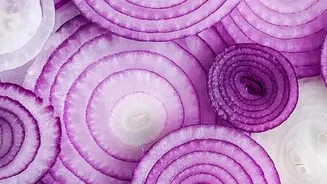
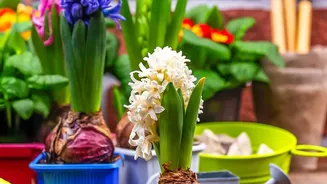
bulb is not a root or a seed, but a complete, self-contained plant in miniature. Think of it as a highly efficient survival kit. Technically known as a geophyte, a bulb is a modified underground stem with fleshy, layered leaves that store food. Nestled in the center is a tiny, pre-formed flower and leaf bud, just waiting for the right conditions to grow. This whole package is protected by a papery outer layer called a tunic. This structure allows the plant to survive harsh conditions—like cold winters or dry, hot summers—safely dormant underground.
The Advantage of a Head Start
The primary advantage of a bulb is the incredible head start it provides. A plant growing from a seed has to start from scratch, building its roots, stem, leaves, and eventually a flower. This takes time and a lot of energy. A bulb, however, has already done most of this work. It has a full pantry of stored nutrients from the previous year. When spring arrives, the plant doesn't need to waste time on construction; it simply sends up its pre-made shoots and flowers. This strategy allows bulb-based plants to bloom very early in the season, often before many other plants have even begun to sprout.
Beating the Competition
This early-to-rise strategy is a brilliant evolutionary move to beat the competition. By flowering early, plants like crocuses and daffodils can soak up the full sun before taller trees and shrubs leaf out and create shade. They also get first dibs on early-season pollinators, like bees, that are just becoming active. After flowering, the leaves remain for several weeks, using photosynthesis to recharge the bulb with energy for the following year. Once its energy stores are replenished, the plant can die back and wait out the intense competition and heat of summer in its cool, underground bunker.
Seeds Still Play a Role
While bulbs are excellent for year-on-year survival, these plants do still produce seeds. So why have both? Bulbs create clones—genetically identical copies of the parent plant. This is a reliable way to multiply in a stable, proven location. Seeds, on the other hand, are the result of sexual reproduction, which creates genetic diversity. This mixing of genes allows the species to adapt to changing conditions over time. Seeds are also the primary method for travelling long distances, carried by wind, water, or animals to establish new colonies far from the parent plant. Growing from a seed to a flowering-size bulb can take several years.
The Gardener's Perfect Partner
From a gardener's perspective, bulbs are a gift. They offer reliability and the promise of spectacular, fast-emerging blooms with relatively little effort. Their self-contained nature makes them hardy and less demanding than plants grown from seed. The strategy that evolved to help these plants survive challenging climates also makes them dependable performers in the garden. Planting bulbs in the autumn feels like an investment in the future, burying little promises of the colour and life that will return after a long winter.